




NAPT: ‘Walking bus’ shouldn’t sideline the yellow bus
While walking school buses may make sense in some cases, parents should be informed that the traditional yellow school bus remains the safest way for children to get to school, NAPT Executive Director Mike Martin says. The walking bus concept has made headlines recently with a high-profile nod from first lady Michelle Obama.

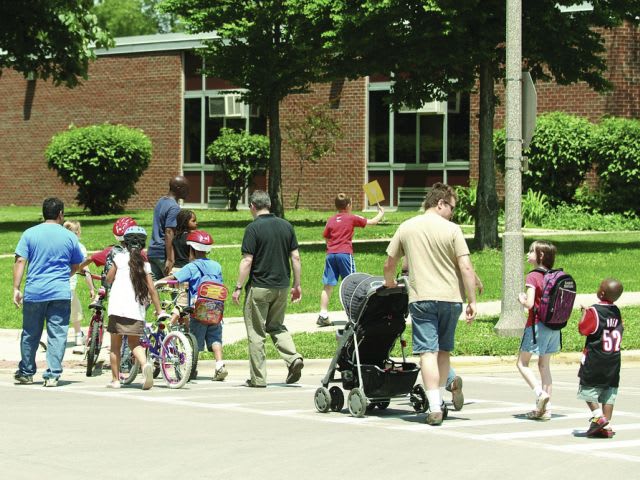
The walking school bus concept has made headlines recently with a high-profile nod from first lady Michelle Obama.
“Walking school buses” may make sense in some cases, but parents should be informed that the traditional yellow school bus remains the safest way for children to get to and from school, a key pupil transportation leader said this week.
The walking school bus concept — in which a group of kids walk to school with one or more adults — has made headlines recently with a high-profile nod from first lady Michelle Obama. Addressing mayors and other local officials involved in her “Let’s Move!” initiative last week, Obama noted Knox County, Tenn.’s walking school bus program.
“They’ve created a walking school bus — and I've heard more and more of this kind of walking school bus happening all over the country — so that kids can get exercise on the way to school, kind of like we did when we were growing up,” Obama said.
Mike Martin, executive director of the National Association for Pupil Transportation (NAPT), told SBF that while his organization applauds the first lady's effort to promote exercise, parents need to know all of the facts in order to make an informed decision about their children’s school travel.
For example, the U.S. Department of Transportation has confirmed that school buses are the safest form of transportation for students — safer than other modes like walking, bicycling or riding in a car.
“We believe that this information should be included in the conversation so parents can make an intelligent decision regarding how their children get to and from school,” Martin said.
He also pointed to factors that may make the walking school bus impractical for many families. For instance, in suburban and rural areas, walking radiuses can extend as far as 3 miles from schools.
“Not all parents have the ability or time to walk that far to school and back with their children and then do the same thing again in the middle of the afternoon,” Martin said.
Inclement weather could be another area of concern. Martin questioned what would happen with a walking school bus on rainy or snowy days — as well as on days when no chaperones are available.
“How many walking school buses will there be in most states during the months of December to February?” he said.
Martin noted that promoting more exercise is a worthwhile goal, and while many children already walk to school, others choose to exercise at other times and in other ways. But the bottom line, he said, is that exercise campaigns should not diminish the role of the yellow school bus.
“The nation's safe, convenient and effective pupil transportation system — a critical part of our public education system — should not be sidelined to advance a social program intended to fight childhood obesity,” Martin said. “Both have their place, and both need to be supported rather than positioned to be at odds with each other.”
More Safety

HopSkipDrive Reports Progress on Safety Advisory Council
More than a year after forming the council, independent safety experts have helped shape new rider-safety features and policy progress, with a new goal to address rider behavior.
Read More →
What the 2026 National School Bus Safety Month Resolution Means for Student Transportation
The bipartisan resolution highlights illegal school bus passing, student safety during loading and unloading, and the need for driver training and public education.
Read More →
School Bus Stop-Arm Violations Decline 53% Across Verra Mobility Programs
Verra Mobility shares how school bus stop-arm cameras and school zone safety programs are changing driver behavior, reducing violations, and protecting students.
Read More →
Most Bus Crashes Aren’t Your Fault. Here’s How to Prove It.
A guide for what to do in between a school bus crash and a claim: what to preserve, who to notify, and how to keep the facts available when they matter.
Read More →
National School Bus Safety Week 2026: Tips, Toolkits & Resources to Keep Students Safe
School bus safety takes more than awareness. Explore expert tips, enforcement strategies, and free resources to help protect students on every ride.
Read More →
2 Killed, Dozens Injured in Florida School Bus Crash
A multi-vehicle collision caused a Polk County school bus carrying 37 students to overturn on its way to Winter Haven High School.
Read More →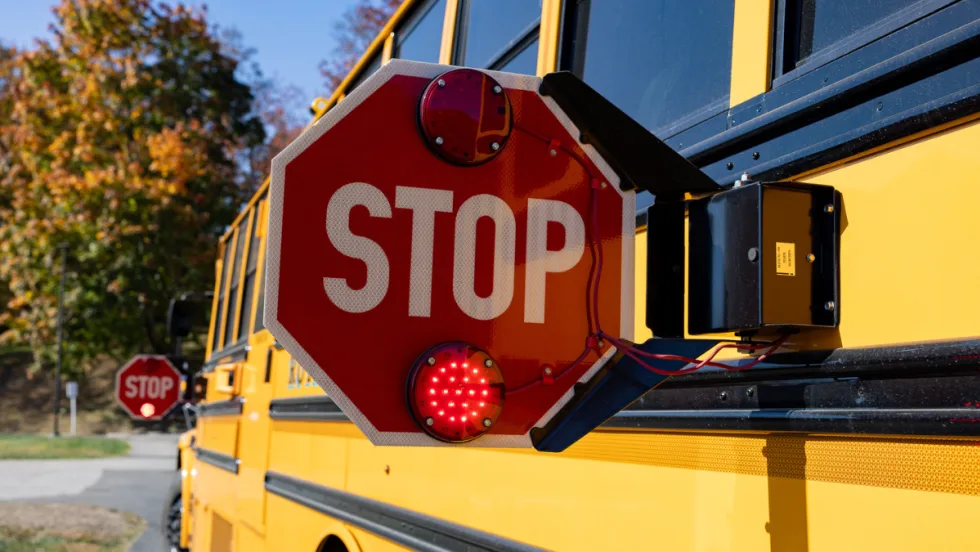
Illegal School Bus Passing Drops 24% in New York Districts
With fewer than 5% of citations involving repeat offenders, Westchester County officials said enforcement, education, and community partnerships are helping change driver behavior.
Read More →
School's Back. Here's What Happened to Traffic, Speeding & Distraction
What happens to traffic when school resumes? New data analysis examines changes in distracted driving, congestion, and speeding around schools.
Read More →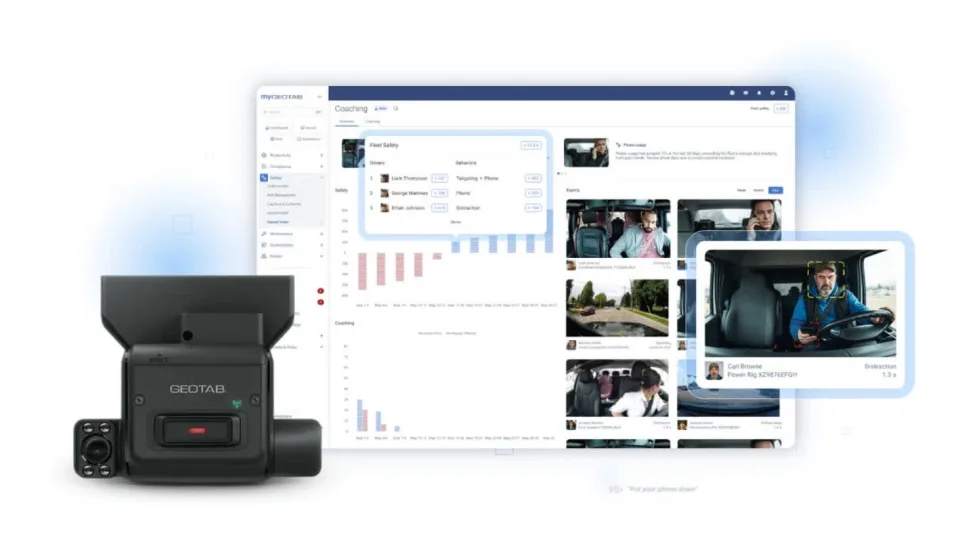
Geotab Expands Fleet Safety Tools With Video Coaching, Risk Insights
New safety and video capabilities aim to help fleet managers assess risk, support drivers, and take targeted action through video coaching, red-light violation detection, and more.
Read More →
How to Build a Better School Bus Driver Training Program
Is it time to strengthen your driver training? Here’s how to pick the right talent and improve recruitment, retention, and safety. This video is brought to you by IC Bus.
Read More →