




Electric School Bus Maintenance: Key Similarities, Differences
Minnesota Schools Benefit from Electric Bus Pilot Project Grants
The Minnesota Pollution Control Agency (MPCA) awarded more than $2.1 million to five recipients to allow a shift from diesel to electric school buses.
by SBF Staff
November 12, 2021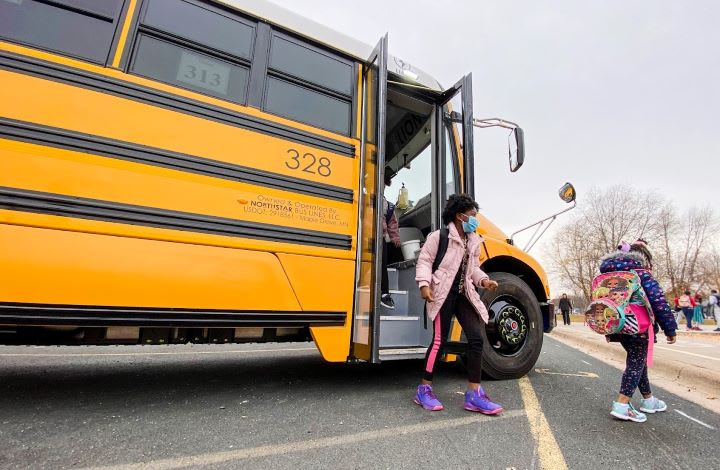
Some newly funded buses already are on the road, serving Minnesota students. Others are due by fall 2022.
Photo courtesy of the Minnesota Pollution Control Agency
1 min to read
The Minnesota Pollution Control Agency (MPCA) this week announced more than $2.1 million in grants for its electric school bus pilot project.
Eight new electric school buses are expected to serve five Minnesota school districts. Recipients of the grants, funded by the Volkswagen emissions fraud settlement, include:
Faribault Transportation Services, with one bus to serve Faribault Public Schools
Monarch Bus Services, with one bus serving St. Paul or Columbia Heights public schools
Morris Area School District, with two buses
Northstar Bus Lines, with three buses serving Osseo Area Schools
Ottertail Coaches, with one bus to serve Fergus Falls Public Schools
Some of the newly funded buses already have begun transporting Minnesota students, with the rest expected to be in service by fall 2022. Grantees also receive charging stations.
The MCPA’s electric school bus pilot project is intended to support cleaner vehicle technology and reduce harmful air pollution, with the goal of reducing greenhouse gas emissions by 80% by 2050.
Besides removing older, more polluting diesel buses off the roads, the pilot project is designed to help determine the viability of electric bus technology in Minnesota’s colder climes, according to the MPCA.
More Alternative Fuels

CALSTART and Forth Combine to Form Catalyst Mobility
The new name represents a renewed vision for the nonprofit focused on advancing clean, equitable, and affordable transportation solutions that move people and goods.
Read More →
Alt-Fuel Moves: New Buses, Charging Hubs & Real-World EV Testing
Propane and electric school bus deployments continue to grow as districts add new vehicles, expand charging infrastructure, and gather more real-world operating data.
Read More →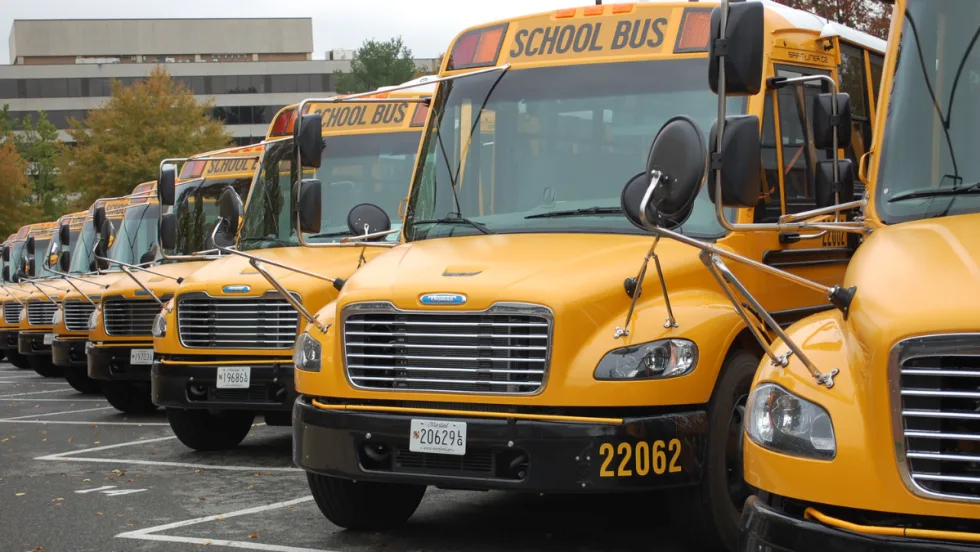
Fewer Electric School Bus Models Reshape the U.S. Market
WRI’s latest buyer’s guide points to a consolidating electric school bus market, but fewer options may reflect a maturing industry rather than fewer meaningful choices for school bus operators.
Read More →
The Fuel Budget You Can Actually Predict: How Propane Autogas Keeps Money in the Classroom
Learn how propane autogas helps school districts manage fuel costs with predictable pricing, lower maintenance, and reduced emissions from former transportation director Joel Stutheit.
Read More →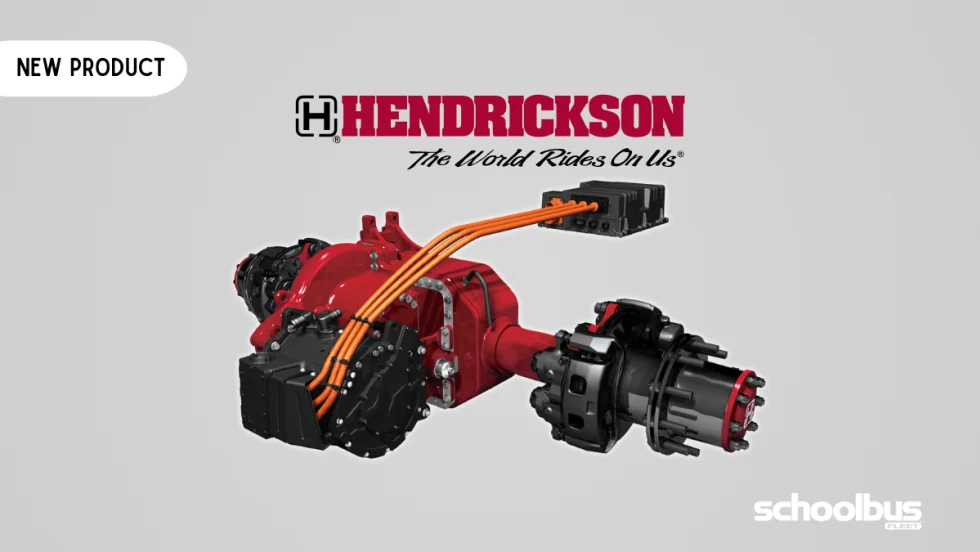
Hendrickson, Driventic Introduce New Electric Powertrain for School Buses
ELECTRAAX, the electrified, lightweight drive axle offers integrated ePowertrain efficiency and modular flexibility for Class 6–7 school bus use.
Read More →
The Mobility House Joins PowerFlex in Fleet Electrification Deal
The acquisition combines intelligent charging software, bidirectional charging expertise, and fleet electrification services to support the growing adoption of electric school buses across North America.
Read More →
Alt-Fuel Moves: Electric School Bus Investments Hit the Road
See which districts across the U.S. are putting electric school buses into service, expanding charging infrastructure, and planning the next phase of fleet electrification.
Read More →
With Fuel Volatility Ahead, School Districts Turn to Propane
While diesel prices peaked above $5 this spring, districts with propane autogas-powered fleets paid under $2 per gallon, according to PERC.
Read More →
EPA Unveils Proposed Changes to 2027 Heavy-Duty Engine Rules
The federal agency has proposed changes to next year’s targets that would eliminate DEF derates, ease warranty requirements, and retain current NOx emissions standards.
Read More →
Alt-Fuel Moves: EV Charging & Infrastructure Projects Gain Momentum
The latest developments include new funding, charging infrastructure, utility investments, and fleet technologies designed to support the transition to electric school buses nationwide.
Read More →