





More News: Nuvve Awarded $400M Fleet Electrification Contract in New Mexico
Minnesota Districts Get $5.5 Million for Electric School Buses
Three districts in Minnesota are implementing more electric school buses into their fleets, with one district taking its first step into electric transportation.
March 7, 2025
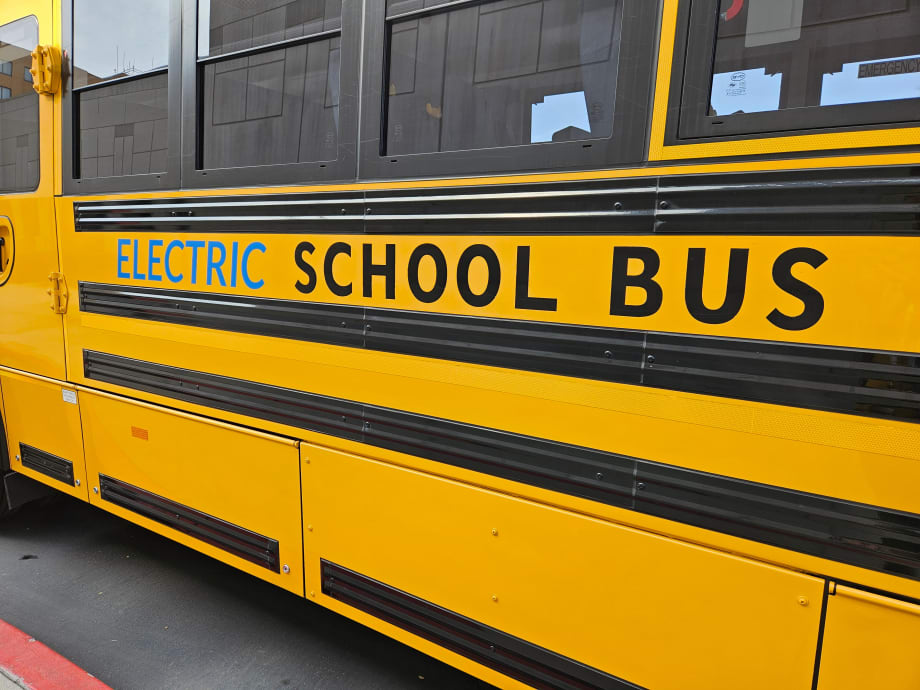
Three districts in Minnesota are getting funding from the EPA and Volkswagen settlement to purchase 19 electric school buses, hoping that the long-term savings will pay off.
Photo: Amanda Huggett
3 min to read
Three school districts in Minnesota are adding electric buses to their fleets thanks to more than $5.5 million from the Minnesota Pollution Control Agency, one of 70 recipients nationally to receive funding from the U.S. Environmental Protection Agency’s (EPA) Clean Heavy-Duty Vehicles Grant Program.
In addition to the grant, portions of the Volkswagen Settlement will provide funding for 19 electric school buses to districts in Osseo, Bloomington, and White Bear Lake. The districts were selected based on their designation as disadvantaged communities by the EPA.
The buses are being purchased through North Star Bus Lines, LLC in Maple Grove, which has previously purchased Lion Electric buses for the Osseo school district.
Benefits and Barriers to Electric School Buses
Minnesota is receiving more than $12.7 million for zero-emission heavy-duty vehicles to help slow climate change, reduce air pollution, and advance environmental justice in the state.
Costs remain one of the biggest barriers to adopting electric school buses, with a single bus costing between $350,000 and $400,000 on average. In addition, schools must purchase charging infrastructure, which further increases the costs.
While the initial cost of an electric school bus is high, the long-term savings can add up, with each bus estimated to save $430 in fuel per month. In addition, each electric bus reduces greenhouse gas emissions by 140 tons.
Bringing Buses to the Districts
Districts are eager to lower operational costs while maintaining efficient transportation.
“We want to keep costs in the classroom and not out on the school buses,” said Troy Schreifels, director of transportation, security, and emergency management for Osseo Area Schools.
The Osseo, Bloomington, and White Bear Lake school districts have committed to environmental initiatives and are choosing to be early adopters of electric school buses.
“We also want to reduce our carbon footprint and contribute to our sustainability efforts,” said Tim Wald, assistant superintendent for finance and operations at White Bear Lake School District.
This opportunity marks the first step into electric buses for White Bear Lake. Wald is optimistic about the potential of electric buses to provide a safer, more sustainable form of transportation.
“It’s an incredible opportunity to add a clean-burning vehicle to our bus fleet,” Wald said. “We’ve been interested in adding electric buses, and we can use this opportunity to learn from them and possibly add more in the future.”
Both Osseo and Bloomington have already introduced electric buses and hope to continue expanding their fleets. Bloomington has the necessary charging infrastructure in place to allow for this kind of expansion.
Osseo recently shifted from diesel to propane and propane buses currently account for about 75% of its fleet. While electric buses only account for 10% of their fleet, Schreifels sees this as the next natural step.
“It’s my job to find the most efficient, cost-effective, and carbon-neutral fleet I can,” Schreifels said. “Before these grants became available, having any EVs in our fleet would’ve been out of reach.”
The hope is that the electric buses will result in long-term cost savings due to fewer parts, lower maintenance, and reduced fuel costs.
More Management

How to Build a Better Driver Training Program
Ready to boost up your school bus instructor training? Here’s how to pick the right talent and improve recruitment, retention, and safety.
Read More →
CALSTART and Forth Combine to Form Catalyst Mobility
The new name represents a renewed vision for the nonprofit focused on advancing clean, equitable, and affordable transportation solutions that move people and goods.
Read More →
What Makes a Great School Bus Driver Trainer?
Choosing the right school bus driver trainer takes more than experience. Learn six keys to selecting and developing trainers and evaluating program effectiveness.
Read More →


School Bus Contractors Expand Through New Deals, Acquisitions & Partnerships
STA's Canadian division acquires Ontario-based G&L Stevenson Transport while Durham School Services adds a new district contract in California, First Student adds a New Jersey contract, and Minnesota Coaches acquires Halo Transportation.
Read More →
Logan Bus Company Rolls Out AI Phone System for NYC School Bus Families
A summer pilot found that AI agents could handle most routine calls, freeing up time for customer service staff to focus on emergencies and complex family concerns.
Read More →
From Intent to Impact: What I Learned About Leadership from TAPT
A Texas transportation supervisor shares lessons on self-awareness, accountability, managing stress and building trust — and why investing in leadership development matters at every stage of your career.
Read More →
NAPT Names 2026 Award Recipients, Hall of Fame Inductee
Who earned national recognition for their work in student transportation? This year, NAPT named five recipients of its 2026 awards for service, safety, and leadership, plus its newest Hall of Famer.
Read More →
Sponsored•September 2, 2026
2026 State of Student Transportation Report
Driver shortages. Rising costs. Growing safety expectations. More data, but not enough time to act on it. The 2026 State of Student Transportation Report reveals what transportation leaders say is putting the most pressure on their operations—and where they’re investing next. See how your priorities compare.
Read More →
How to De-Escalate an Angry Person: 5 Steps for Handling Workplace Conflict
What makes emotions run high, and how should you handle an angry colleague or parent? Follow these steps for staying calm, listening, showing empathy, and resolving conflict.
Read More →
Sponsored•September 1, 2026
What Readiness Looks Like This School Year
Learn about the challenges shaping the 2026–2027 school year, from persistent driver shortages and budget pressure to technology and readiness gaps. See how school districts are responding and adapting in Zonar’s 2026 Back-to-School Readiness Report.
Read More →