




Massachusetts Celebrates First V2G Benefits from Electric School Bus
The Thomas Built Buses Saf-T-Liner C2 Jouley used by Beverly Public Schools put nearly three megawatt-hours of electricity back into the grid.
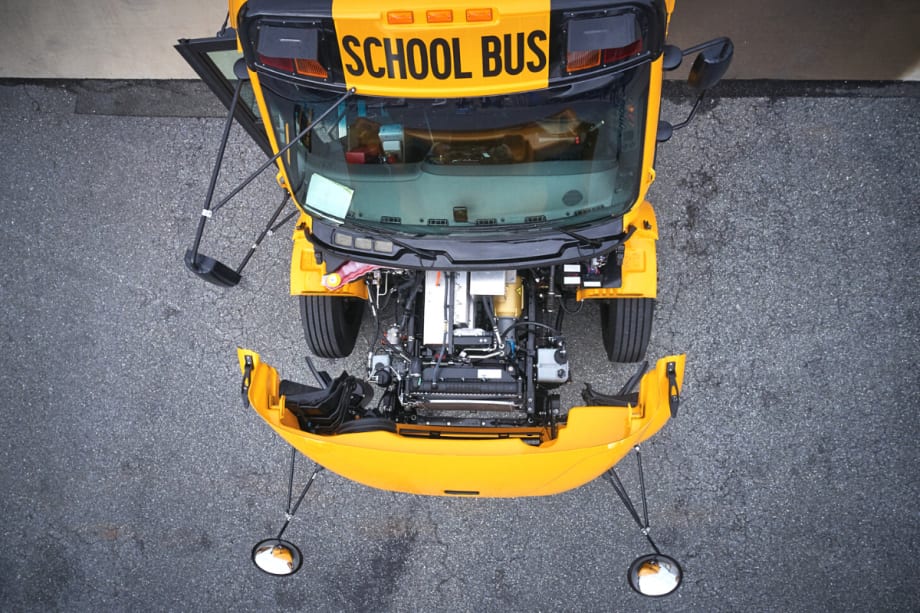
The Saf-T-Liner C2 Jouley offers 226 kWh of total energy capacity from its Proterra battery system. Over the summer, the bus delivered nearly three megawatt-hours of electricity to the regional grid.
Photo courtesy Thomas Built Buses
For what may be the first time in Massachusetts, an electric school bus over the summer successfully delivered power back to the electricity grid for more than 50 hours.
It’s among the first instances in the United States that an electric school bus has supported an electricity grid through vehicle-to-grid (V2G) technology. Both Cummins and The Lion Electric Co. also worked on similar projects in the past few years.
Proterra reported that, in conjunction with Highland Electric Fleets and National Grid, a Thomas Built Buses Saf-T-Liner C2 Jouley school bus in the Beverly Public Schools transportation fleet discharged nearly three megawatt-hours of electricity to the regional grid from a Proterra battery system over the course of 30 events.
That’s enough electricity to power the average American home for more than three months.
“Highland is thrilled to be a part of this groundbreaking program as the integrator of industry-leading technology, forward-thinking energy policy, and tremendous community leadership to solve some of the country’s toughest challenges,” said Highland CEO Duncan McIntyre. “We’re so honored to support those on the ground making amazing stories like this come to reality every day.”
Highland provided the bus, chargers, and all electricity to Beverly Public Schools under a mileage-based subscription, worked with National Grid to ensure the site was prepared for energy discharge, and coordinated their participation in their Connected Solutions Daily Dispatch Program. Under this program, National Grid used the energy stored in the electric school bus to reduce demand on the grid during peak periods.
“By delivering stored clean energy back to the grid when it’s needed most, electric school buses can help create a more resilient local power system and reduce the dependence on expensive fossil fuel power plants,” said Gareth Joyce, Proterra president. “Switching to zero-emission, electric school buses signals a transformational shift towards clean transportation and clean energy to help protect the health of our children and the communities they live in.”
The bus used Proterra’s bidirectional charging system. By sending power back to the grid, the school bus helped reduce local emissions and decreased the need to fire up fossil fuel “peaker” plants. National Grid compensates participants in the program for their energy services, incentivizing the use of distributed energy resources to strengthen the local grid.
Participation in National Grid’s program may help some districts close the up-front cost gap between traditional diesel school buses and electric school buses, as revenue from V2G programs improve the economics of electric school bus ownership.
The average school bus transports students for about six hours a day, 200 days a year, and are otherwise parked or idled when not in operation. They could prove especially useful as an electricity resource during summer months, when electricity demand is often at its highest.
In Beverly, Highland provided a turnkey, fixed-price subscription that eliminated the up-front cost, risk, and complexity of managing the electric school bus. This allowed Beverly to benefit from the V2G services provided by the bus through a lower subscription price.
“Beverly is proud to lead in electrifying our school bus fleet and to be at the forefront nationally, to successfully discharge battery-stored electricity back to the grid,” said Beverly Mayor Mike Cahill. “We look forward to taking full advantage of the economic, environmental, and operational benefits that V2G technology offers.”
More Alternative Fuels

CALSTART and Forth Combine to Form Catalyst Mobility
The new name represents a renewed vision for the nonprofit focused on advancing clean, equitable, and affordable transportation solutions that move people and goods.
Read More →
Alt-Fuel Moves: New Buses, Charging Hubs & Real-World EV Testing
Propane and electric school bus deployments continue to grow as districts add new vehicles, expand charging infrastructure, and gather more real-world operating data.
Read More →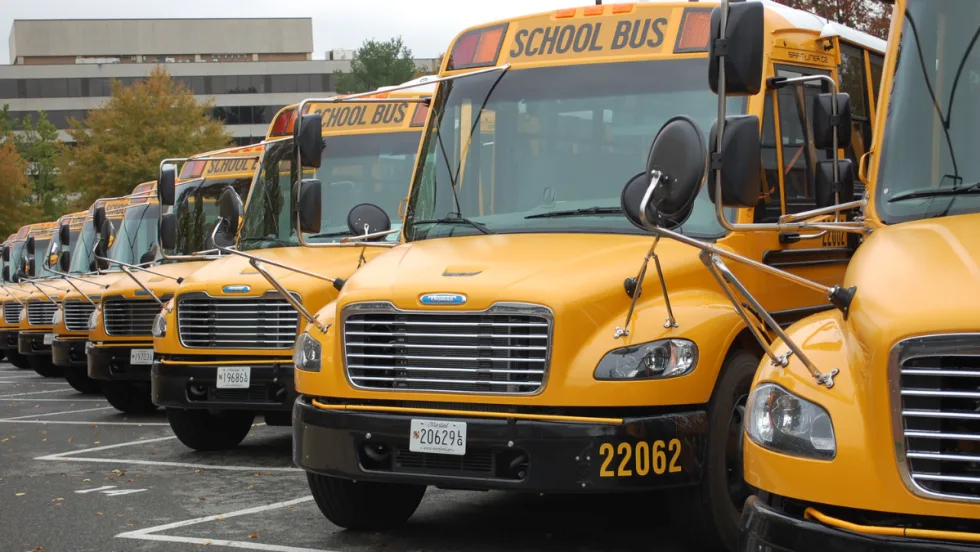
Fewer Electric School Bus Models Reshape the U.S. Market
WRI’s latest buyer’s guide points to a consolidating electric school bus market, but fewer options may reflect a maturing industry rather than fewer meaningful choices for school bus operators.
Read More →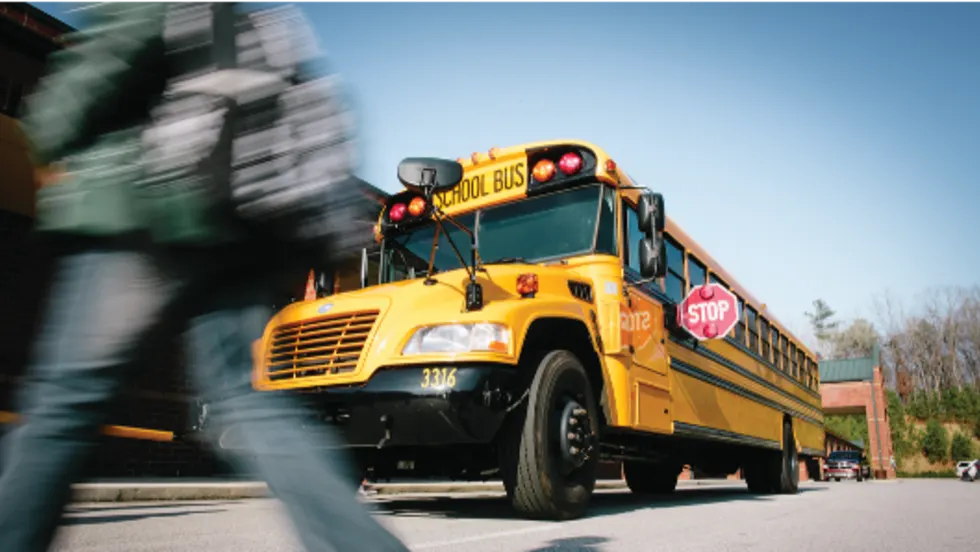
The Fuel Budget You Can Actually Predict: How Propane Autogas Keeps Money in the Classroom
Learn how propane autogas helps school districts manage fuel costs with predictable pricing, lower maintenance, and reduced emissions from former transportation director Joel Stutheit.
Read More →
Hendrickson, Driventic Introduce New Electric Powertrain for School Buses
ELECTRAAX, the electrified, lightweight drive axle offers integrated ePowertrain efficiency and modular flexibility for Class 6–7 school bus use.
Read More →
The Mobility House Joins PowerFlex in Fleet Electrification Deal
The acquisition combines intelligent charging software, bidirectional charging expertise, and fleet electrification services to support the growing adoption of electric school buses across North America.
Read More →
Alt-Fuel Moves: Electric School Bus Investments Hit the Road
See which districts across the U.S. are putting electric school buses into service, expanding charging infrastructure, and planning the next phase of fleet electrification.
Read More →
With Fuel Volatility Ahead, School Districts Turn to Propane
While diesel prices peaked above $5 this spring, districts with propane autogas-powered fleets paid under $2 per gallon, according to PERC.
Read More →
EPA Unveils Proposed Changes to 2027 Heavy-Duty Engine Rules
The federal agency has proposed changes to next year’s targets that would eliminate DEF derates, ease warranty requirements, and retain current NOx emissions standards.
Read More →
Alt-Fuel Moves: EV Charging & Infrastructure Projects Gain Momentum
The latest developments include new funding, charging infrastructure, utility investments, and fleet technologies designed to support the transition to electric school buses nationwide.
Read More →