




Related: 10 Keys for Contractors to Protect Business During COVID-19
Main Street Lending Program Expands Eligibility to More Small, Medium-Sized Businesses
To give borrowers more flexibility in repaying the loans, the Federal Reserve Board lowers the minimum loan amount, raises the maximum loan limit, adjusts the principal repayment schedule to begin after two years, and extends the term to five years.
by Staff
June 11, 2020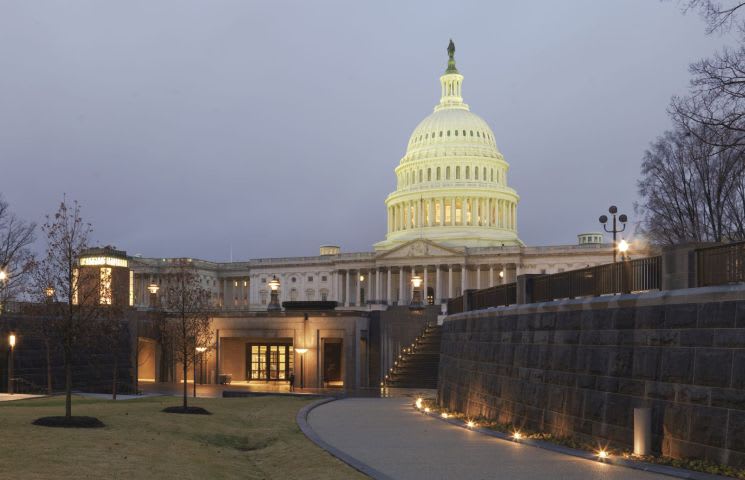
The Federal Reserve Board expanded its Main Street Lending Program to allow more small- and medium-sized businesses to receive support.
File photo
2 min to read
WASHINGTON, D.C. — The Federal Reserve Board on Monday expanded its Main Street Lending Program to allow more small- and medium-sized businesses to receive support.
To give borrowers more flexibility in repaying the loans, the Federal Reserve Board lowered the minimum loan amount, raised the maximum loan limit, adjusted the principal repayment schedule to begin after two years, and extended the term to five years, according to a news release from the federal agency.
The board expects the program to be open for lender registration soon and to be actively buying loans shortly afterward.
"Supporting small and mid-sized businesses so they are ready to reopen and rehire workers will help foster a broad-based economic recovery," said Federal Reserve Chair Jerome H. Powell. "I am confident the changes we are making will improve the ability of the Main Street Lending Program to support employment during this difficult period."
Small- and medium-sized businesses are a vital part of the economy and employ tens of millions of people, according to the board, and, because their needs vary widely, the board has extensively sought feedback and revised the Main Street program accordingly.
The changes include:
• Lowering the minimum loan size for certain loans to $250,000 from $500,000.
• Increasing the maximum loan size for all facilities.
• Increasing the term of each loan option from four years to five years.
• Extending the repayment period for all loans by delaying principal payments for two years, rather than one.
• Raising the Reserve Bank's participation to 95% for all loans.
Once they have successfully registered for the program, lenders are encouraged to begin making Main Street Lending Program loans immediately. The program intends to purchase 95% of each eligible loan that is submitted to the program, provided that the required documentation is complete and the transactions are consistent with the relevant Main Street facility's requirements.
The Main Street Lending Program will also accept loans that were originated under the previously announced terms, if funded before June 10, 2020.
The Main Street Lending Program was established with the approval of the Treasury Secretary and with $75 billion in equity provided by the Treasury Department from the CARES Act.
More Management

How to Build a Better Driver Training Program
Ready to boost up your school bus instructor training? Here’s how to pick the right talent and improve recruitment, retention, and safety.
Read More →
CALSTART and Forth Combine to Form Catalyst Mobility
The new name represents a renewed vision for the nonprofit focused on advancing clean, equitable, and affordable transportation solutions that move people and goods.
Read More →
What Makes a Great School Bus Driver Trainer?
Choosing the right school bus driver trainer takes more than experience. Learn six keys to selecting and developing trainers and evaluating program effectiveness.
Read More →


School Bus Contractors Expand Through New Deals, Acquisitions & Partnerships
STA's Canadian division acquires Ontario-based G&L Stevenson Transport while Durham School Services adds a new district contract in California, First Student adds a New Jersey contract, and Minnesota Coaches acquires Halo Transportation.
Read More →
Logan Bus Company Rolls Out AI Phone System for NYC School Bus Families
A summer pilot found that AI agents could handle most routine calls, freeing up time for customer service staff to focus on emergencies and complex family concerns.
Read More →
From Intent to Impact: What I Learned About Leadership from TAPT
A Texas transportation supervisor shares lessons on self-awareness, accountability, managing stress and building trust — and why investing in leadership development matters at every stage of your career.
Read More →
NAPT Names 2026 Award Recipients, Hall of Fame Inductee
Who earned national recognition for their work in student transportation? This year, NAPT named five recipients of its 2026 awards for service, safety, and leadership, plus its newest Hall of Famer.
Read More →
Sponsored•September 2, 2026
2026 State of Student Transportation Report
Driver shortages. Rising costs. Growing safety expectations. More data, but not enough time to act on it. The 2026 State of Student Transportation Report reveals what transportation leaders say is putting the most pressure on their operations—and where they’re investing next. See how your priorities compare.
Read More →
How to De-Escalate an Angry Person: 5 Steps for Handling Workplace Conflict
What makes emotions run high, and how should you handle an angry colleague or parent? Follow these steps for staying calm, listening, showing empathy, and resolving conflict.
Read More →
Sponsored•September 1, 2026
What Readiness Looks Like This School Year
Learn about the challenges shaping the 2026–2027 school year, from persistent driver shortages and budget pressure to technology and readiness gaps. See how school districts are responding and adapting in Zonar’s 2026 Back-to-School Readiness Report.
Read More →