




Lightning eMotors Unveils Next-Generation Mobile Charger
The new mobile charging solution can accommodate a variety of battery capacities and outputs to meet a range of customer use cases.

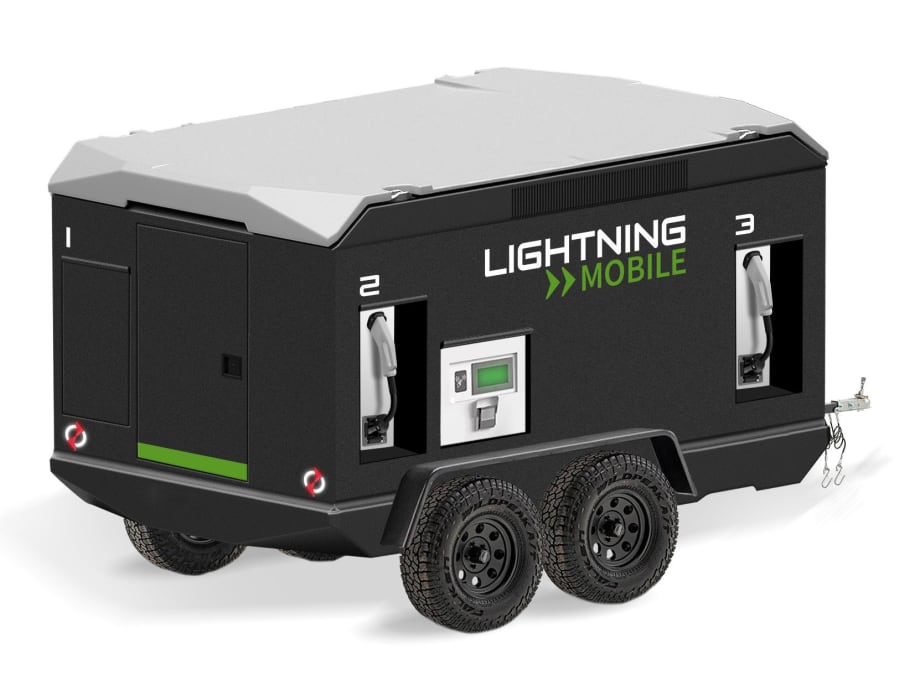
Each modular unit offers between 105 to 420 kWh battery capacity and provides the option of up to five DC fast-charging outputs. The new systems are currently available to order for delivery in late 2022.
Lightning eMotors
Lightning eMotors unveiled its second-generation Lightning Mobile chargers for commercial and consumer electric vehicles (EV).
Designed to accommodate a number of use-cases, the mobile DC fast charger offers rapid deployment of reliable charging capabilities in locations where static charging stations are not possible or that only have Level 2 power available — without the constraints associated with installing static charging stations.
Each modular unit offers 105 to 420 kWh battery capacity and provides the option of up to five DC fast-charging outputs. The new systems are currently available to order for delivery in late 2022.
The next-generation Lightning Mobile solution was designed, engineered, and developed over a 12-month period, using the insights learned from operating the first-generation prototype. Engineers rigorously tested the prototype and its capabilities to develop a next-generation charging capability, which Lightning said has been proven to be the ideal solution for charging commercial trucks, vans, buses and cars at remote locations, events, and depots.
Lightning’s new mobile charging solution can accommodate a variety of battery capacities and outputs to meet different customer use cases. The modular unit features the same advanced technologies as Lightning’s powertrains, including active thermal management for optimum battery performance and longevity and sophisticated telematics/analytics to optimize overall fleet operations and vehicle safety.
To accommodate both short- and long-term use cases, Lightning mobile chargers will be available for purchase or via variable-term lease and rental agreements.
Originally posted on Metro
More Alternative Fuels

CALSTART and Forth Combine to Form Catalyst Mobility
The new name represents a renewed vision for the nonprofit focused on advancing clean, equitable, and affordable transportation solutions that move people and goods.
Read More →
Alt-Fuel Moves: New Buses, Charging Hubs & Real-World EV Testing
Propane and electric school bus deployments continue to grow as districts add new vehicles, expand charging infrastructure, and gather more real-world operating data.
Read More →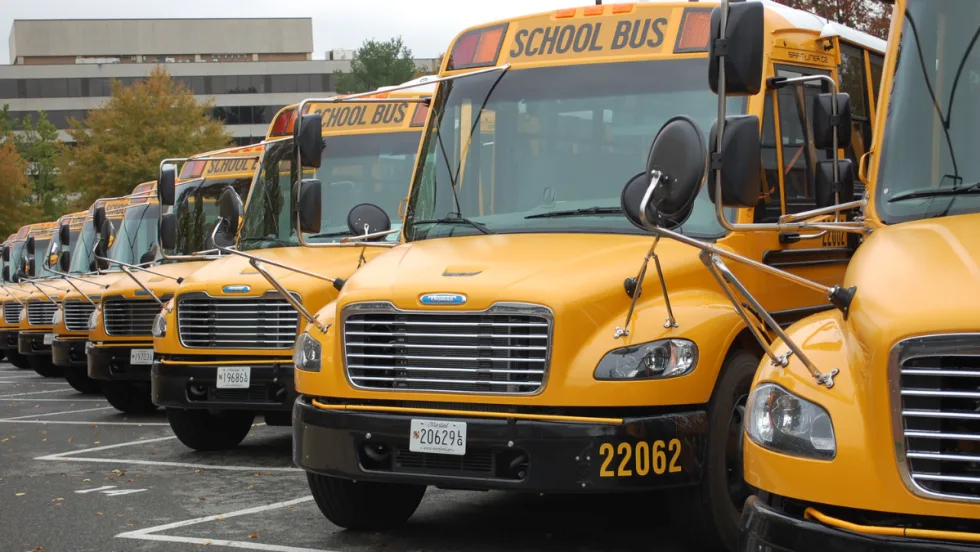
Fewer Electric School Bus Models Reshape the U.S. Market
WRI’s latest buyer’s guide points to a consolidating electric school bus market, but fewer options may reflect a maturing industry rather than fewer meaningful choices for school bus operators.
Read More →
The Fuel Budget You Can Actually Predict: How Propane Autogas Keeps Money in the Classroom
Learn how propane autogas helps school districts manage fuel costs with predictable pricing, lower maintenance, and reduced emissions from former transportation director Joel Stutheit.
Read More →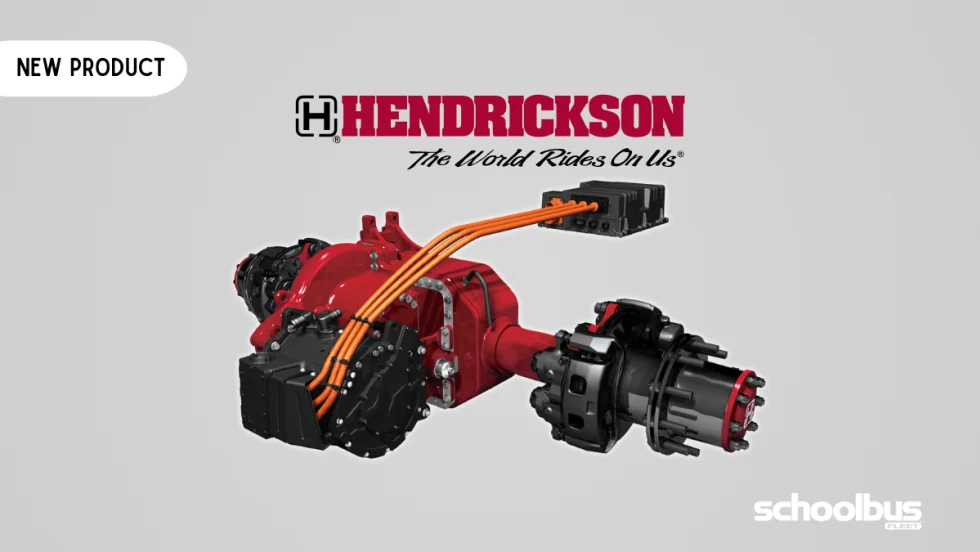
Hendrickson, Driventic Introduce New Electric Powertrain for School Buses
ELECTRAAX, the electrified, lightweight drive axle offers integrated ePowertrain efficiency and modular flexibility for Class 6–7 school bus use.
Read More →
The Mobility House Joins PowerFlex in Fleet Electrification Deal
The acquisition combines intelligent charging software, bidirectional charging expertise, and fleet electrification services to support the growing adoption of electric school buses across North America.
Read More →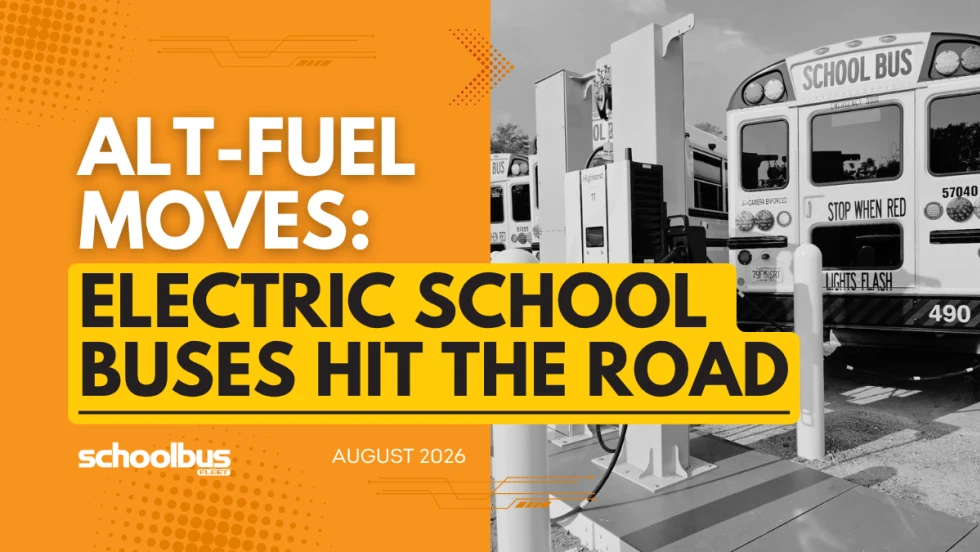
Alt-Fuel Moves: Electric School Bus Investments Hit the Road
See which districts across the U.S. are putting electric school buses into service, expanding charging infrastructure, and planning the next phase of fleet electrification.
Read More →
With Fuel Volatility Ahead, School Districts Turn to Propane
While diesel prices peaked above $5 this spring, districts with propane autogas-powered fleets paid under $2 per gallon, according to PERC.
Read More →
EPA Unveils Proposed Changes to 2027 Heavy-Duty Engine Rules
The federal agency has proposed changes to next year’s targets that would eliminate DEF derates, ease warranty requirements, and retain current NOx emissions standards.
Read More →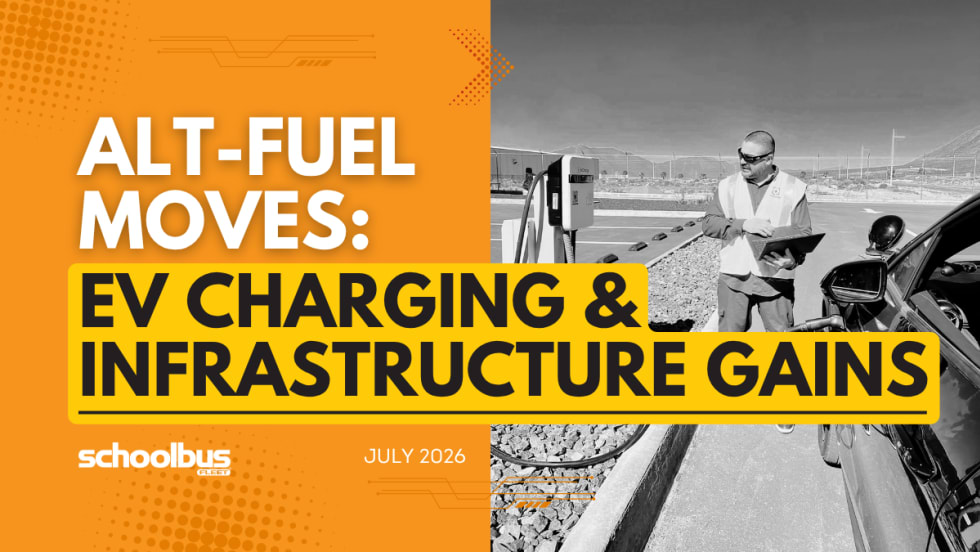
Alt-Fuel Moves: EV Charging & Infrastructure Projects Gain Momentum
The latest developments include new funding, charging infrastructure, utility investments, and fleet technologies designed to support the transition to electric school buses nationwide.
Read More →