




Lightning eMotors Introduces New Generation 4 Electric Transit Class 3 Van
The new, longer-range Lightning Electric Transit Van is the fourth generation of its battery-electric and fuel-cell electric platform, based on the Ford Transit 350HD chassis.

New for 2021, Lightning eMotors will offer a new digital dashboard that highlights range, efficiency and state of charge, a new phone application interface, and support for new Ford safety features.
Lightning eMotors
Lightning eMotors announced the debut of a new model of its popular Class 3 Lightning Electric Transit Van.
The new, longer-range Lightning Electric Transit Van is the fourth generation of its battery-electric and fuel-cell electric platform, based on the Ford Transit 350HD chassis. The Gen 4 powertrain, with new battery technology and up to 105 kWh of battery capacity, has up to 40% more range than the Gen 3’s 120-mile range as a battery-only vehicle, with fuel cell configurations extending the range to 250 miles (based on EPA-certified dynamometer testing) and new pricing that provides a compelling total cost of ownership versus a gasoline van.
New for 2021, Lightning eMotors will offer a new digital dashboard that highlights range, efficiency and state of charge, a new phone application interface, and support for new Ford safety features. In addition, Lightning eMotors is the only electric van manufacturer that supports wheelchair lifts, custom floor rails, and custom bus doors.
Lightning eMotors’ products are complementary to Ford’s announced 2022 E-Transit, which will be a battery-electric Class 2 cargo/cab/chassis van with an estimated 126 miles of range. The Lightning Electric Transit Van is available for order now, with deliveries starting in the second quarter of 2021.
The latest Lightning Electric Transit powertrain offers peak power of 160 kW (equivalent 215 horsepower), and a torque rating of 994 Nm (733 lb.-ft). The fully electric system is available for Ford Transit passenger vans, cargo vans, cutaway, and chassis-cab models and also is available in configurations to support ambulances, school buses, and RVs. The Gen 4 model achieves 61 MPGe on certified dyno testing, compared to 13 MPG for the gasoline version. This is the highest CARB dynamometer-certified efficiency rating for any Class 3 vehicle currently in the market.
Featuring a new, state-of-the-art, modular liquid-cooled lithium-ion battery system, the Lightning Electric Transit Van 350HD can add 60 miles of range in 30 minutes of charge time when using DC fast charging with a standard SAE J1172 CCS-1 Combo charging port. Lightning eMotors offers a complete range of fleet-focused chargers and charging-as-a-service solutions, with full installation, utility integration, software control, and Low Carbon Fuel Standard and renewable energy credit support.
With an 11,000-pound gross vehicle weight rating, the vehicle has a payload capacity of up to 4,840 pounds, depending on the selected battery configuration option and other equipment.
Lightning eMotors Credit and Ford Motor Credit financing is available along with electric vehicle vouchers and incentives, which are accessible in many states. Lightning eMotors offers comprehensive leasing plans, which allow fleets to see total-cost-of-ownership savings from lower energy and maintenance costs, starting on day one of the lease.
Originally posted on Metro
More Alternative Fuels

CALSTART and Forth Combine to Form Catalyst Mobility
The new name represents a renewed vision for the nonprofit focused on advancing clean, equitable, and affordable transportation solutions that move people and goods.
Read More →
Alt-Fuel Moves: New Buses, Charging Hubs & Real-World EV Testing
Propane and electric school bus deployments continue to grow as districts add new vehicles, expand charging infrastructure, and gather more real-world operating data.
Read More →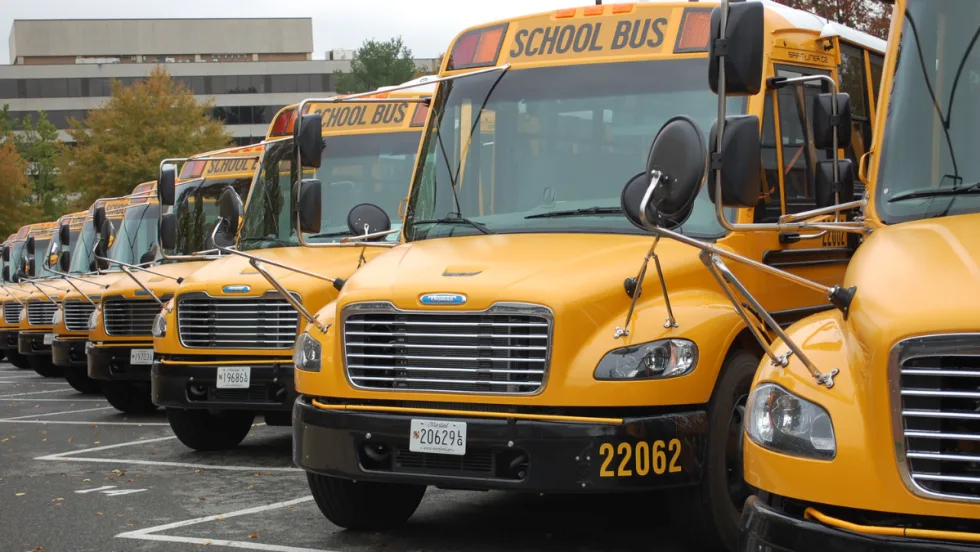
Fewer Electric School Bus Models Reshape the U.S. Market
WRI’s latest buyer’s guide points to a consolidating electric school bus market, but fewer options may reflect a maturing industry rather than fewer meaningful choices for school bus operators.
Read More →
The Fuel Budget You Can Actually Predict: How Propane Autogas Keeps Money in the Classroom
Learn how propane autogas helps school districts manage fuel costs with predictable pricing, lower maintenance, and reduced emissions from former transportation director Joel Stutheit.
Read More →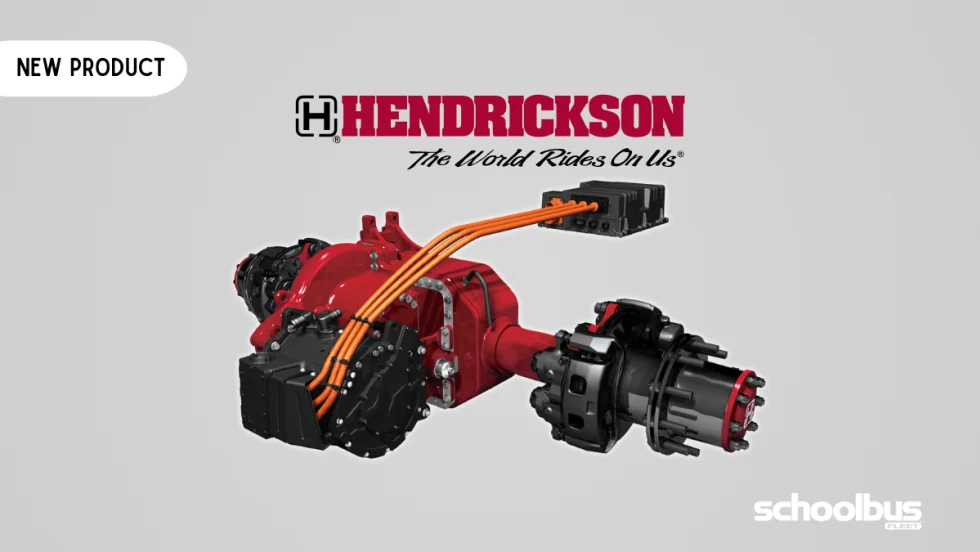
Hendrickson, Driventic Introduce New Electric Powertrain for School Buses
ELECTRAAX, the electrified, lightweight drive axle offers integrated ePowertrain efficiency and modular flexibility for Class 6–7 school bus use.
Read More →
The Mobility House Joins PowerFlex in Fleet Electrification Deal
The acquisition combines intelligent charging software, bidirectional charging expertise, and fleet electrification services to support the growing adoption of electric school buses across North America.
Read More →
Alt-Fuel Moves: Electric School Bus Investments Hit the Road
See which districts across the U.S. are putting electric school buses into service, expanding charging infrastructure, and planning the next phase of fleet electrification.
Read More →
With Fuel Volatility Ahead, School Districts Turn to Propane
While diesel prices peaked above $5 this spring, districts with propane autogas-powered fleets paid under $2 per gallon, according to PERC.
Read More →
EPA Unveils Proposed Changes to 2027 Heavy-Duty Engine Rules
The federal agency has proposed changes to next year’s targets that would eliminate DEF derates, ease warranty requirements, and retain current NOx emissions standards.
Read More →
Alt-Fuel Moves: EV Charging & Infrastructure Projects Gain Momentum
The latest developments include new funding, charging infrastructure, utility investments, and fleet technologies designed to support the transition to electric school buses nationwide.
Read More →