




Latest VW Settlement Adds $225M to Mitigation Fund
The new funding, for projects to reduce NOx, is in addition to the $2.7 billion already required of Volkswagen for the environmental mitigation trust.

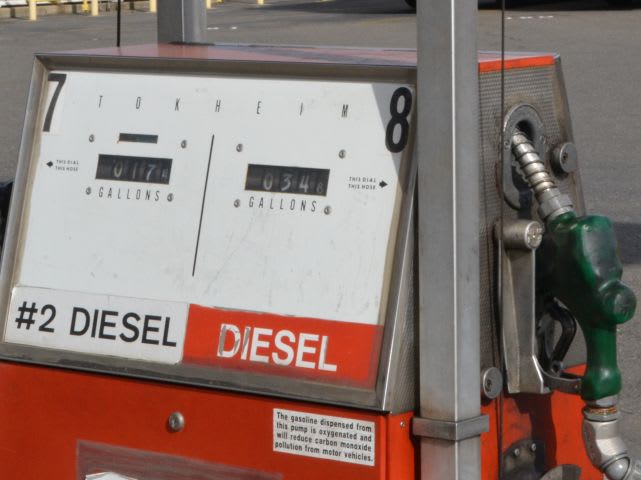
A new settlement in Volkswagen’s diesel emissions debacle requires the automaker to pay an additional $225 million to fund projects that will reduce NOx emissions.
A new settlement in Volkswagen’s diesel emissions debacle requires the automaker to pay an additional $225 million to fund projects that will reduce NOx emissions.
WASHINGTON, D.C. — Volkswagen will have to spend another $225 million to fund projects to cut nitrogen oxide (NOx) as part of a second partial settlement in its diesel emissions debacle.
In the latest settlement with the U.S. Environmental Protection Agency (EPA), the Department of Justice, and the state of California, Volkswagen agreed to buy back or fix 83,000 3.0-liter diesel vehicles that are allegedly equipped with “defeat devices” to cheat emissions tests.
This follows earlier settlements related to the German automaker’s 2.0-liter diesel vehicles.
The earlier settlements included a requirement for Volkswagen to fund a $2.7 billion environmental mitigation trust that will pay for projects to reduce NOx from other sources, including school buses, transit buses, large trucks, and freight trains.
Now, with the new 3.0-liter settlement, Volkswagen is required to pay an additional $225 million to fund projects across the U.S. that will reduce NOx emissions where the automaker’s 3.0-liter vehicles are operated. The EPA said that the funding will be placed in the same mitigation trust as that of the settlements for the 2.0-liter vehicles.
The mitigation trust will be administered by an independent trustee. Beneficiaries may include states, Puerto Rico, the District of Columbia, and Native American tribes. They can obtain funds for NOx reduction projects by applying to the trustee.
The EPA has said that the trust will likely become effective sometime during the first half of 2017.
For more information, go here.
More Management
EverDriven Launches Route Consolidation Calculator to Estimate Diesel Savings
As diesel prices hit record highs, the largest alternative transportation provider says a 10% route consolidation could save a 120-route district more than $78,000 a year in fuel alone.
Read More →
Zum Secures Continued Financing Support for School Bus Expansion
Generate Private Credit has financed approximately $75 million in school bus deployments across three states, supporting more than 500 buses as Zum expands across the county.
Read More →
Beyond Discipline: A Different Approach to Student Behavior on the Bus
After implementing a dean of students program in Oregon, North Clackamas is seeing positive improvements. Here’s how it worked. The Route is brought to you by IC Bus.
Read More →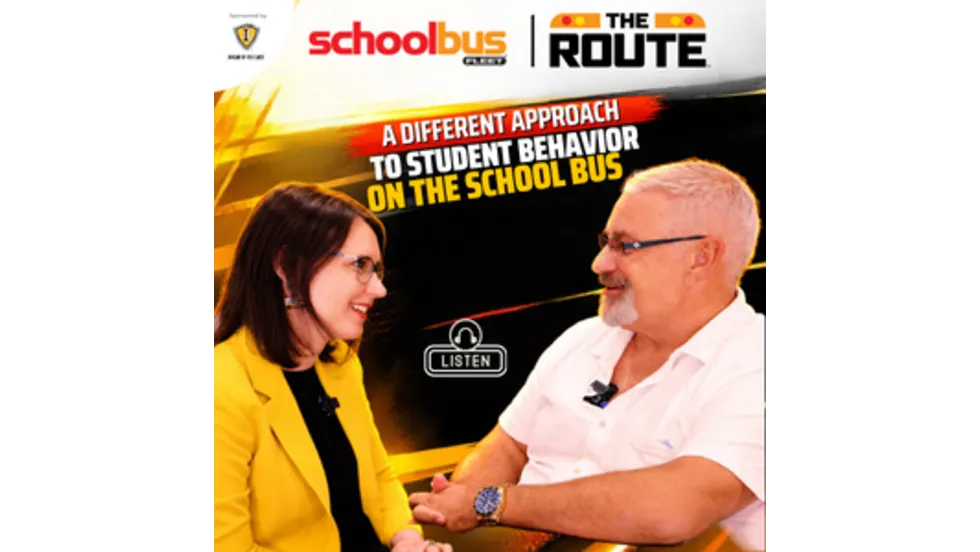
A Dean of Transportation's Different Approach to Student Behavior on the School Bus
After implementing a dean of students program in Oregon, North Clackamas is seeing positive improvements on the bus. Here’s how it worked.
Read More →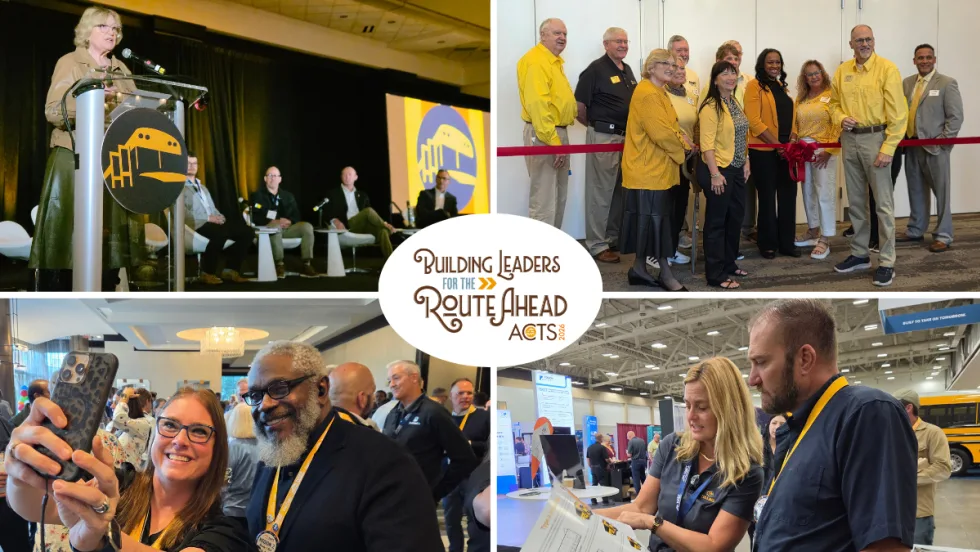
Inside NAPT ACTS 2026: Highlights from Louisville
From federal updates and student behavior strategies to new school bus technology and industry awards, see highlights from NAPT ACTS 2026 in Louisville.
Read More →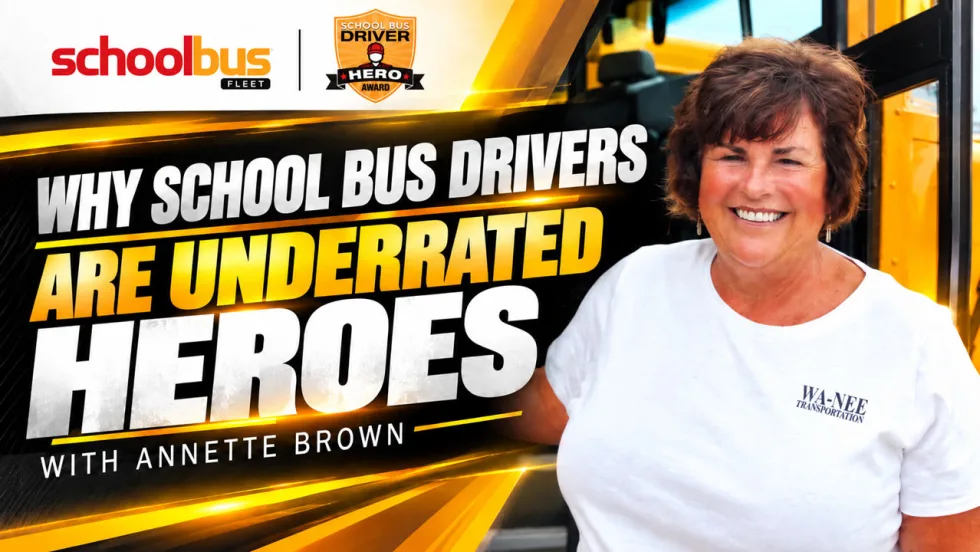
Meet the 2025 School Bus Driver Hero Winner: Annette Brown
We caught up with Wa-Nee Community Schools' Annette Brown on site at SBFX, where she was named the 2026 School Bus Driver Hero Award winner. Hear about her reaction, what she loves most about being a school bus driver, and more!
Read More →
Predictability Is Like Ketchup (According to 6-Year-Olds)
To students, a different school bus can feel like a full-blown crisis. One driver reflects on why familiar routines, showing up on time, and being reliably boring matter more than we think.
Read More →
Samsara Launches Free Driver Rewards Program
The new Driver Perks program gives eligible professional drivers access to discounts and offers without adding a cost for participating fleets.
Read More →
How Tax-Exempt Municipal Leases Can Help Finance School Buses
Let’s explore school bus financing options, including municipal leases, vendor payable accounts, and balloon payments, and how they can help stretch fleet budgets.
Read More →
Nominate Rising School Transportation Pros Under 40!
We’re searching for the next generation of leaders making an impact across the K-12 student transportation industry to recognize as SBF’s 2027 Trailblazers. Nominations are open now!
Read More →