





Did You Miss: Game Changers in Student Transportation
Latest HopSkipDrive Safety Report Heralds Another Year Free of Critical Incidents
The new report shows more than 4,000 schools served and 16.5 million safe miles driven, with 7,000 newly certified “CareDrivers” in 11 states and Washington, D.C.
June 28, 2023

Most rides scheduled on the HopSkipDrive platform in 2022 ended without any safety-related concerns.
Image: HopSkipDrive
3 min to read
HopSkipDrive, provider of supplemental school transportation solutions, has released its fourth annual safety report, offering data about its 2022 safety metrics and platform investments.
Based on data collected last year, the report indicates that the company’s CareDrivers completed more than 770,000 rides across 16.5 million miles – all of them without a critical safety incident.
HopSkipDrive Fleet Developments from the Report
The report also showed:
99.7% of rides scheduled through the HopSkipDrive platform ended without a safety-related concern of any kind. For the small percentage that did experience a safety-related concern, most were minor traffic collisions.
The company continues to invest in safety policies and features, including through mobile-phone based telematics technology.
Telematics technology appears to promote safe driving behavior by detecting risky driving behaviors. According to a news release, research indicates that telematics solutions can be up to 98.83% accurate in detecting drunk driving behavior.
The platform uses real-time ride tracking, two-factor authentication, Safe Ride Support System, multi-step dropoff process, and safe-driving monitoring.
School Transportation Takeaways from the 2022 Safety Report
The executive summary of the report stated that 88% of school districts across the United States are “operating in crisis mode” due to the nationwide school bus driver shortage.
“These shortages have greatly impacted student safety by causing districts to expand walk boundaries along dangerous and busy streets, eliminate bus routes, or leave kids stranded entirely when buses don’t show up,” the report stated. “School transportation has always been integral to education, designed to ensure equitable access to education for every child, but the reality is that the system as it exists today still has room for improvement.”
HopSkipDrive aims to supplement student transportation options, enable equity, eliminate inefficiencies, and improve safety.
“I’m continually thinking of ways we can raise the bar across the industry, working together to improve the twin priorities of safety and expanding transportation access for students,” wrote CEO and co-founder Joanna McFarland in the report. “Maybe historically drug and alcohol testing was the best thing available to test potential impairment, but now we have technology to measure many forms of impairment.”
Mike Martin, HopSkipDrive’s senior strategic advisor and former executive director and CEO of the National Association for Pupil Transportation, wrote in his statement in the report:
“The traditional transportation benchmark for ‘safety’ uses a fatality rate per million miles traveled. This is a retroactive measure of the absence of harmful acts, which enables us to talk about things like ‘the number of days without an accident’ as key performance indicators of success. Is it helpful? In a general sense, yes, as it enables comparison to the other ways people could die when ambulatory (e.g. walking, bicycling, riding a scooter, and driving or riding in a motor vehicle). But is it the best way to analyze safety in our industry, or even discuss it?”
HopSkipDrive currently operates in 22 major markets across 11 states and Washington, D.C., and has contracts with more than 400 school districts and local education agencies.
More Safety
Sponsored•November 1, 2026
From Reactive to Proactive: Making Every Ride Visible
Smart technology only delivers its full value when it works together. See how Catalyst connects proven industry platforms to move student transportation from reactive to proactive.
Read More →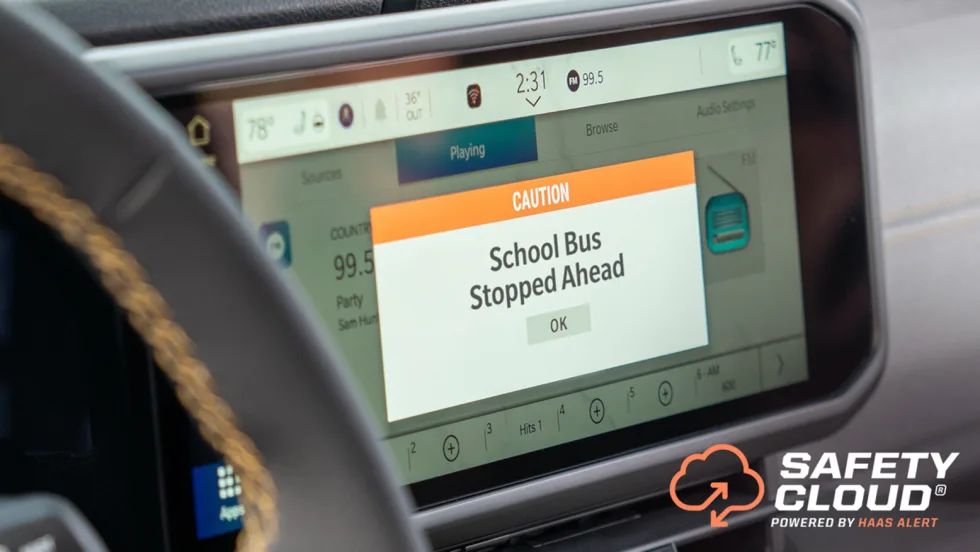
HAAS Alert’s Safety Cloud Warns Motorists of Stopped School Buses
Through a transponder or Samsara connection, the product lets school bus fleets send advance warnings to approaching drivers through in-vehicle alerts.
Read More →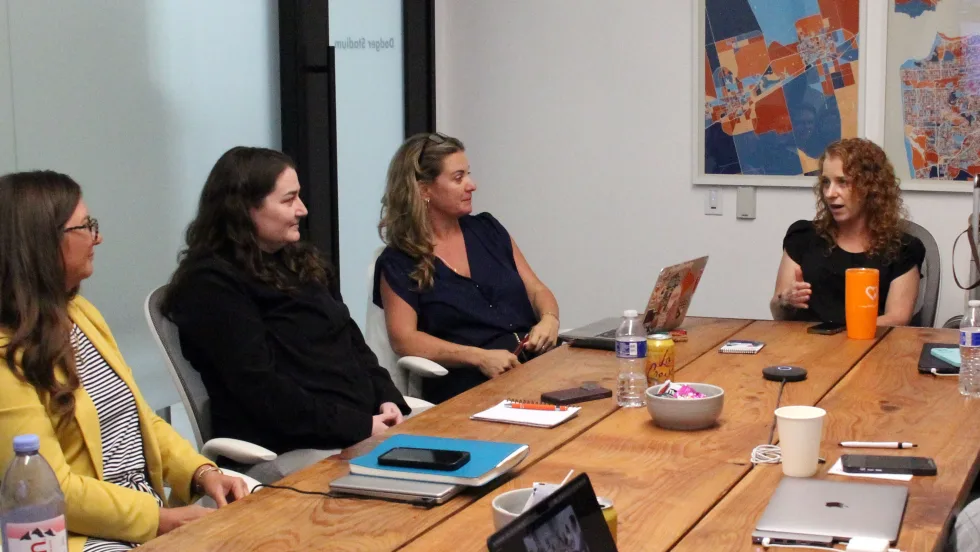
HopSkipDrive Reports Progress on Safety Advisory Council
More than a year after forming the council, independent safety experts have helped shape new rider-safety features and policy progress, with a new goal to address rider behavior.
Read More →
What the 2026 National School Bus Safety Month Resolution Means for Student Transportation
The bipartisan resolution highlights illegal school bus passing, student safety during loading and unloading, and the need for driver training and public education.
Read More →
School Bus Stop-Arm Violations Decline 53% Across Verra Mobility Programs
Verra Mobility shares how school bus stop-arm cameras and school zone safety programs are changing driver behavior, reducing violations, and protecting students.
Read More →
Most Bus Crashes Aren’t Your Fault. Here’s How to Prove It.
A guide for what to do in between a school bus crash and a claim: what to preserve, who to notify, and how to keep the facts available when they matter.
Read More →
National School Bus Safety Week 2026: Tips, Toolkits & Resources to Keep Students Safe
School bus safety takes more than awareness. Explore expert tips, enforcement strategies, and free resources to help protect students on every ride.
Read More →
2 Killed, Dozens Injured in Florida School Bus Crash
A multi-vehicle collision caused a Polk County school bus carrying 37 students to overturn on its way to Winter Haven High School.
Read More →
Illegal School Bus Passing Drops 24% in New York Districts
With fewer than 5% of citations involving repeat offenders, Westchester County officials said enforcement, education, and community partnerships are helping change driver behavior.
Read More →
School's Back. Here's What Happened to Traffic, Speeding & Distraction
What happens to traffic when school resumes? New data analysis examines changes in distracted driving, congestion, and speeding around schools.
Read More →