




Indiana Supreme Court: School bus service not mandated
Indiana school districts are not required by the state constitution to provide transportation for students, the state’s high court rules.

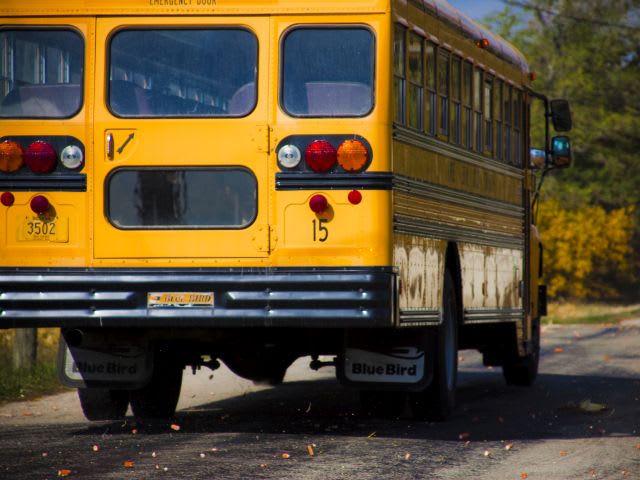
Indiana school districts are not required by the state constitution to provide transportation for students, the state’s high court ruled.
INDIANAPOLIS — Indiana school districts are not required by the state constitution to provide transportation for students, the Indiana Supreme Court ruled on Tuesday.
The decision addresses an issue that has been a source of contention in the state for several years, with funding shortfalls leaving some districts struggling to pay for transportation service.
In 2010, Franklin Township Community School Corp. decided to outsource its transportation to a not-for-profit agency and to begin charging annual bus fees of $475 per student.
However, the Indiana attorney general issued an opinion in which he deemed school bus fees unconstitutional, which prompted the Franklin Township school board to rescind its bus fee plan.
Later, in the 2011-12 school year, Franklin Township discontinued transportation service due to a budget deficit. But the following school year, 2012-13, debt restructuring enabled the district to bring back transportation.
Even though Franklin Township dropped its bus fees plan, the issue continued to be debated in Indiana's courts and legislature. Parents filed a class-action lawsuit against the school district in 2011. Also, in 2012, legislation banning fees for home-to-school transportation in the state was signed into law.
The court case ended up in the Indiana Supreme Court, which led to Tuesday’s ruling that the state constitution doesn’t require school districts to provide student transportation.
In a letter to the Franklin Township community, school district Superintendent Flora Reichanadter said that the ruling “means that although it was a challenging time for our community” — referring to the district’s elimination of bus service in the 2011-12 school year — “it was not unconstitutional.”
Reichanadter noted that property tax caps cause the school district to lose more than $18 million in funding per year. Still, she said that Franklin Township “has no plans in the immediate future to eliminate transportation.”
Indiana school districts are allowed to discontinue transportation service if they give three years’ notice to the public. Michael LaRocco, director of the office of school transportation at the Indiana Department of Education, told SBF that at least three districts have already taken that route. (School districts can also petition the Department of Education for a waiver to allow them to end transportation service in the next school year. One district attempted that method but was denied.)
Regarding the option to give three years' notice to end bus service, the Franklin Township district “has not given that notice, and there is no discussion at this time of such notice,” Reichanadter said.
More Safety

How to Build a Better School Bus Driver Training Program
Is it time to strengthen your driver training? Here’s how to pick the right talent and improve recruitment, retention, and safety. This video is brought to you by IC Bus.
Read More →
Recent School Bus Accidents Leave 2 Dead, 2 Injured
Four school bus crashes in Florida, Illinois, and Georgia highlight risks in transportation lots, at bus stops, and during student loading and unloading.
Read More →
When Every Second Matters, Clarity Keeps Routes Moving
From routine delays to urgent incidents, strong communication practices help drivers, dispatchers, schools, and families respond with confidence.
Read More →

What Happens When a School Bus Catches Fire — and What Can Help
School bus fires are rare but can be devastating. Learn how advances in fire suppression and asset protection help fleets detect fires earlier, reduce damage, and improve safety.
Read More →
Geotab Launches Tool to Help Fleets Investigate Road Incidents
Geotab Investigations combines telematics data, video, documents, and other evidence to help fleets reconstruct incidents, resolve claims, and determine what happened.
Read More →
Texas Sixth Grader Wins 2026 National School Bus Safety Poster Contest
Sai Darshana Yekolu of Moseley Middle School in Prosper, Texas, was named the newest winner for her artwork, bringing the theme of “Safe Rides, Everyday Heroes” to life.
Read More →
Doing More With Less: How Transportation Directors Can Prioritize Safety Amid Budget Uncertainty
With diesel prices soaring and nearly one-third of transportation directors expecting budget cuts, maintaining student safety has never been more challenging. Download this guide to learn how leading districts are prioritizing risk, funding critical safety technology, and building stronger budget cases with data.
Read More →
Walton County Schools Adds Gatekeeper Stop-Arm Enforcement System
The Florida district will deploy Gatekeeper’s updated Student Protector technology, which now incorporates AI to improve video evidence.
Read More →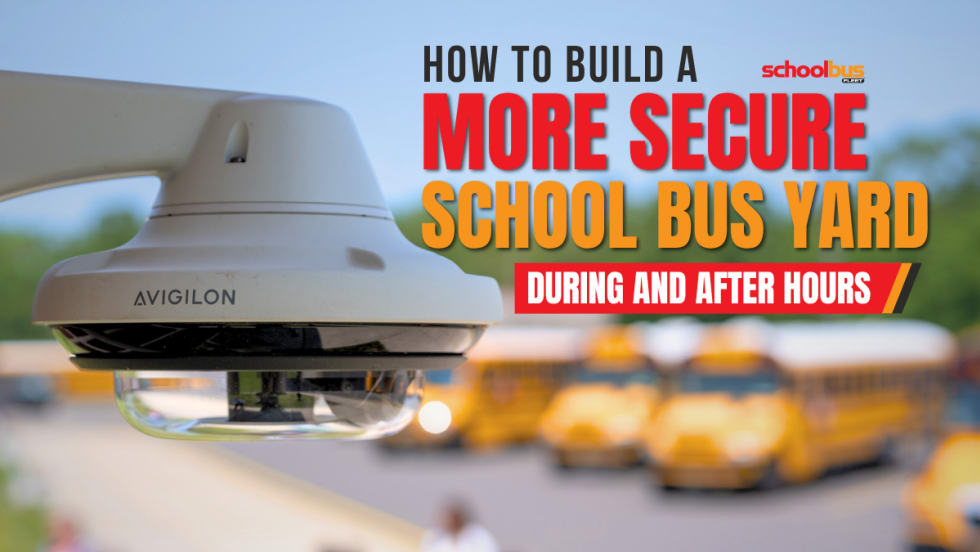
How To Build a More Secure School Bus Yard During and After Hours
As thefts and overnight security threats continue, school transportation leaders are combining stronger operational practices with AI-enabled surveillance to better protect buses, facilities, and staff.
Read More →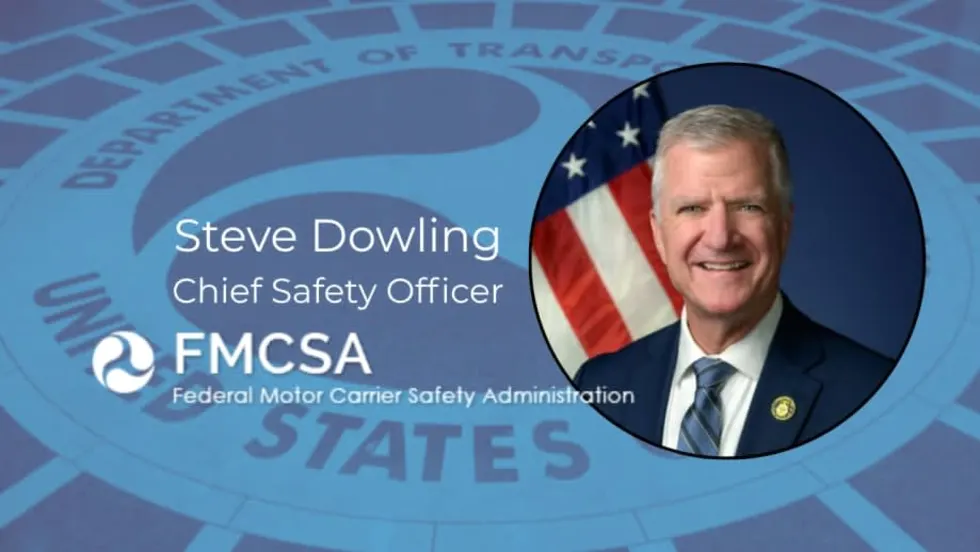
FMCSA Names New Chief Safety Officer: What School Bus Operators Should Know
Steve Dowling is set to lead the federal agency's efforts to advance commercial motor vehicle safety and reduce crashes, fatalities, and injuries on the nation's roadways.
Read More →