

Electric School Bus Roundtable: Ryne Shetterly (GreenPower Motor Co.)
GreenPower Expanding Production to West Virginia
The 80,000-square-foot facility in South Charleston is expected to bring 900 jobs to the area. Company officials say electric school buses should start production in the second half of 2022.
by SBF Staff
January 12, 2022
West Virginia is providing up to $3.5 million in employment incentive payments to GreenPower. The state also committed to buying at least $15 million worth of vehicles made at the facility.
File photo
2 min to read
GreenPower Motor Company Inc. (NASDAQ: GP) is planting its flag in West Virginia with an 80,000-square-foot building where it will manufacture electric-powered school buses and other zero-emission vehicles.
The state’s governor, Jim Justice, announced that West Virginia will provide up to $3.5 million in employment incentive payments to GreenPower for the 900 jobs expected at the South Charleston facility. Justice also said that the state is committed to buy at least $15 million worth of GreenPower vehicles produced at the facility.
“I would like to be the first to welcome GreenPower to West Virginia with open arms,” Justice said in a news release. “We’re thrilled that you’ve chosen to live and work in the paradise that our state offers. West Virginia continues to be the best place to do business. I’m excited to help support GreenPower on this important project and for what the future holds for their great company and our great state.”
Brendan Riley, president of GreenPower, said the new facility marks the company’s first expansion east of the Mississippi River.
“As West Virginia’s economy expands and diversifies, it is important to provide skilled and high-skilled jobs to West Virginia workers for a 21st century economy,” Riley said. “Our facility will provide both training and immediate employment opportunities with a competitive wage.”
The company’s decision to locate the new facility in West Virginia won praise from several state officials.
“West Virginia is ideally positioned to lead the nation in transitioning to electrification of the transportation network, battery research and development, and environmentally sustainable vehicles,” said Mitch Carmichael, the state’s secretary of economic development.
West Virginia’s Senate President Craig Blair said his state has worked diligently to make itself attractive for new or expanding businesses. “Our accomplishments are delivering great results as evidenced by the selection of West Virginia by GreenPower Motor Company,” Blair said.
South Charleston Mayor Frank Mullins said the city was thrilled to have GreenPower join its business community.
“We are in a period of prosperity and growth, and this manufacturing plant being located in South Charleston is one more feather in our cap,” Mullins said. “Most importantly to the city’s future is the kind of company GreenPower is. This is a 2022-and-beyond company with a sustainable product for the long run.”
Production is expected to begin by the second half of 2022. The lease/purchase agreement on the 9.5 acres requires no cash up front. Monthly lease payments begin nine months after production starts and all lease payments are expected to be applied in full to purchase of the property. Title will go to GreenPower after total lease and incentive payments reach $6.7 million, according to a news release.
More Alternative Fuels
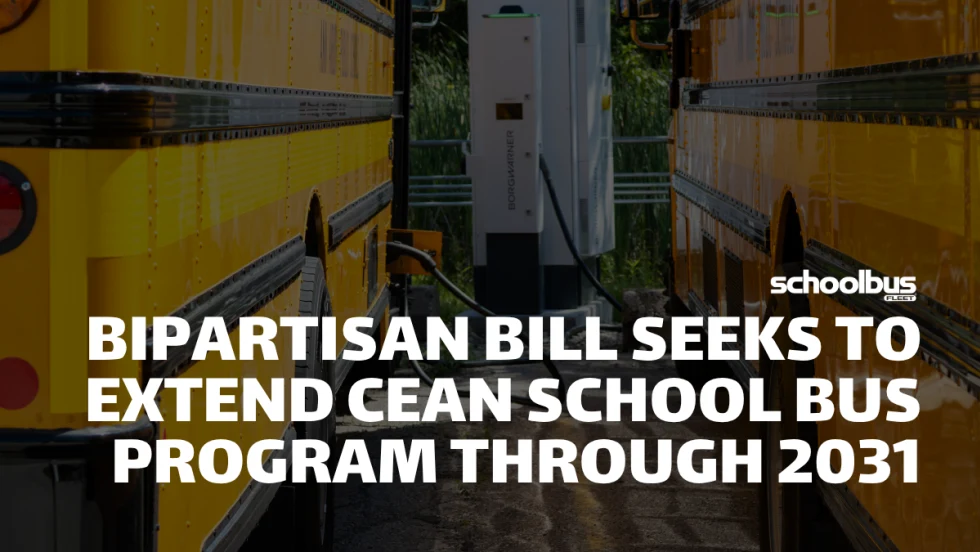
Bipartisan Bill Seeks to Extend Clean School Bus Program Through 2031
The proposed legislation would renew federal support for cleaner school buses as districts navigate funding uncertainty, rising fuel and infrastructure costs, and fleet replacement needs.
Read More →
Alt-Fuel Moves: Electric Bus Rollouts, Bidirectional Charging & Propane Growth
See which fleets are adding electric and propane school buses as districts and operators invest in charging infrastructure, bidirectional technology, and alternative-fuel expansion.
Read More →
Nobody Told Diesel Prices They Were Supposed to Come Down
With diesel prices surging, school bus fleets have new reason to stress-test fuel costs, consider diversification, and calculate what each route really costs to operate.
Read More →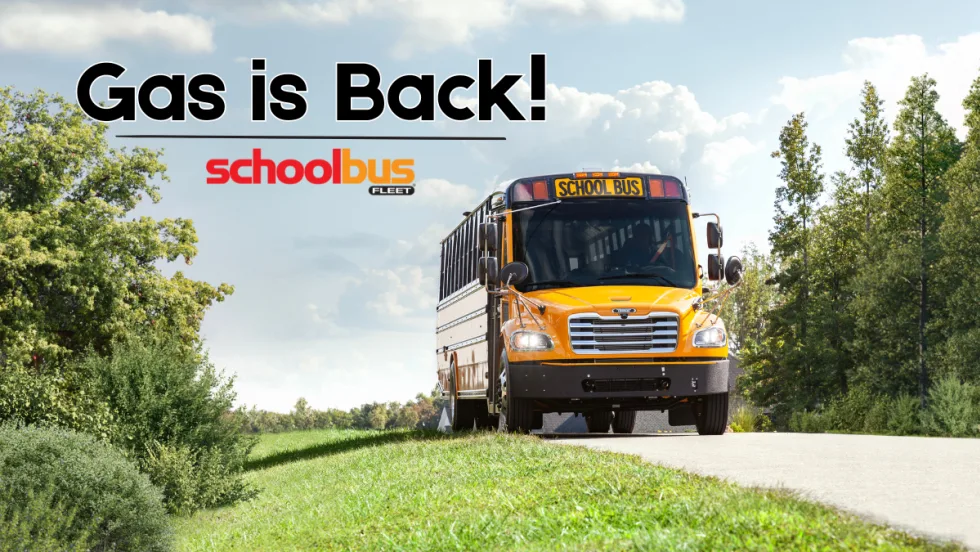
Why Gasoline School Buses Are Making a Comeback
Gasoline is gaining ground in full-size school buses. See how today’s options stack up against diesel on cost, maintenance, emissions, performance, and more.
Read More →
EPA Opens $180M DERA Funding Round for Diesel Upgrades
The 2026 Diesel Emissions Reduction Act program seeks applications from eligible organizations to accelerate the retirement of legacy diesel vehicles.
Read More →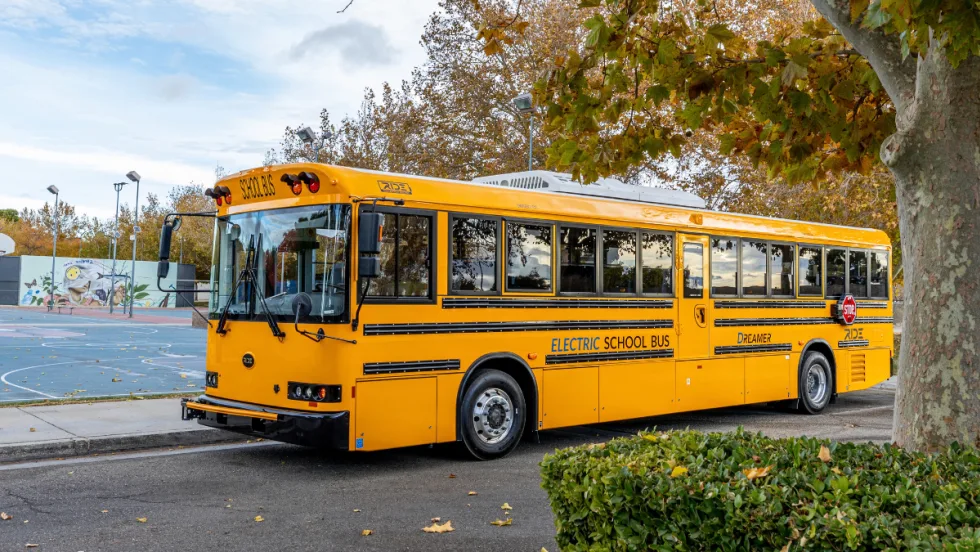
The Secret Life of an Electric School Bus Battery
Batteries change throughout years of daily routes, but degradation doesn’t necessarily mean the end. Here’s what operators should know about performance, safety, and second life.
Read More →
CALSTART and Forth Combine to Form Catalyst Mobility
The new name represents a renewed vision for the nonprofit focused on advancing clean, equitable, and affordable transportation solutions that move people and goods.
Read More →
Alt-Fuel Moves: New Buses, Charging Hubs & Real-World EV Testing
Propane and electric school bus deployments continue to grow as districts add new vehicles, expand charging infrastructure, and gather more real-world operating data.
Read More →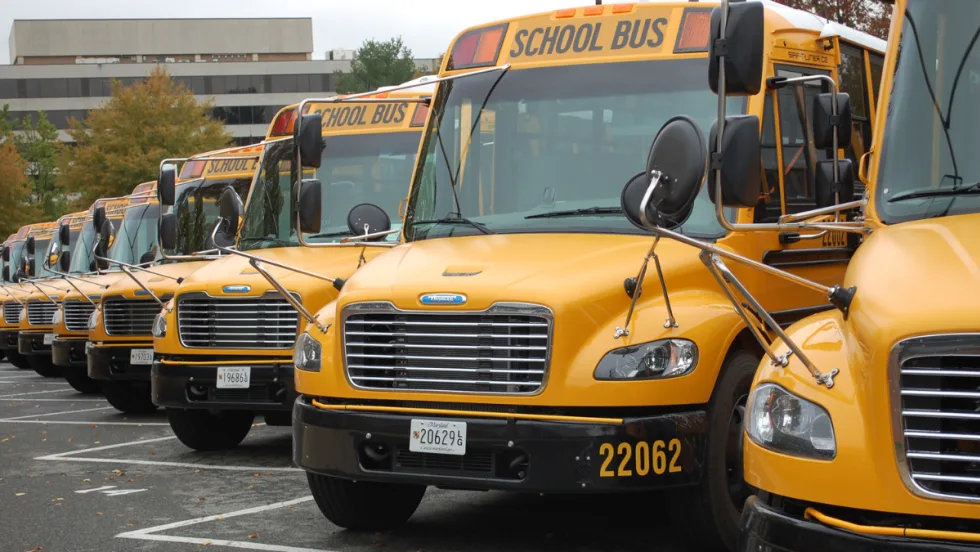
Fewer Electric School Bus Models Reshape the U.S. Market
WRI’s latest buyer’s guide points to a consolidating electric school bus market, but fewer options may reflect a maturing industry rather than fewer meaningful choices for school bus operators.
Read More →
The Fuel Budget You Can Actually Predict: How Propane Autogas Keeps Money in the Classroom
Learn how propane autogas helps school districts manage fuel costs with predictable pricing, lower maintenance, and reduced emissions from former transportation director Joel Stutheit.
Read More →