




Moving to Full Fleet Electrification: A Look at 3 Districts' Plans
Funding Webinar Geared Toward San Francisco Bay Area School Districts
Free event for school transportation leaders looking to transition from diesel to electric vehicles offers experts on grant stacking and methods to expedite EV charging infrastructure installation.
by SBF Staff
October 15, 2021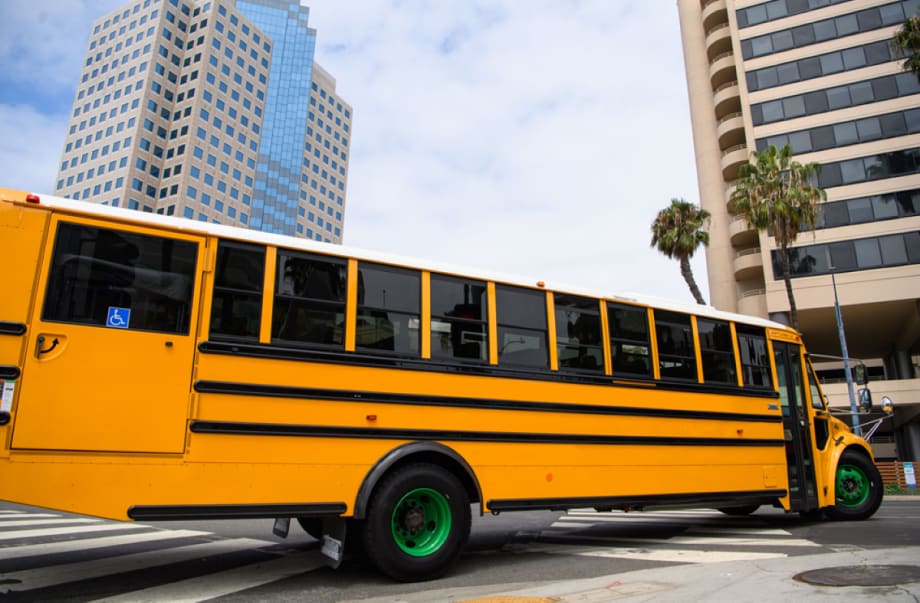
Photo courtesy Gladstein, Neandross & Associates
1 min to read
San Francisco Bay Area school districts considering the switch from diesel to electric for their school bus fleets are invited to attend an Oct. 19 webinar geared toward incentives and grant funding opportunities.
The free event, held in partnership between the Bay Area Air Quality Management District (BAAQMD), Pacific Gas & Electric (PG&E), and clean-energy consults Gladstein, Neandross & Associates (GNA), kicks off at 10 a.m. PST.
Speakers during the webinar include:
Clair Keleher, staff specialist at BAAQMD, who will discuss how program funds can help school bus fleets transition even faster.
Brianna Lawrence, senior program manager at GNA, who will cover which programs can stack to maximize funding opportunities.
Tim O’Neill, account executive at PG&E, who will talk about how to reduce both cost and time when installing electric vehicle (EV) charging infrastructure.
“Zero tailpipe emissions around students is the goal, and securing grant funding for battery electric buses will help schools get there,” said Lawrence. “This year, fuel price increases and new electric bus introductions are additional factors leading schools towards electric fleets. One thing to keep in mind is the EV grant process and lead-times for delivery are long, and learning how to successfully plan and apply for funding will help accelerate the transition.”
More Alternative Fuels

CALSTART and Forth Combine to Form Catalyst Mobility
The new name represents a renewed vision for the nonprofit focused on advancing clean, equitable, and affordable transportation solutions that move people and goods.
Read More →
Alt-Fuel Moves: New Buses, Charging Hubs & Real-World EV Testing
Propane and electric school bus deployments continue to grow as districts add new vehicles, expand charging infrastructure, and gather more real-world operating data.
Read More →
Fewer Electric School Bus Models Reshape the U.S. Market
WRI’s latest buyer’s guide points to a consolidating electric school bus market, but fewer options may reflect a maturing industry rather than fewer meaningful choices for school bus operators.
Read More →
The Fuel Budget You Can Actually Predict: How Propane Autogas Keeps Money in the Classroom
Learn how propane autogas helps school districts manage fuel costs with predictable pricing, lower maintenance, and reduced emissions from former transportation director Joel Stutheit.
Read More →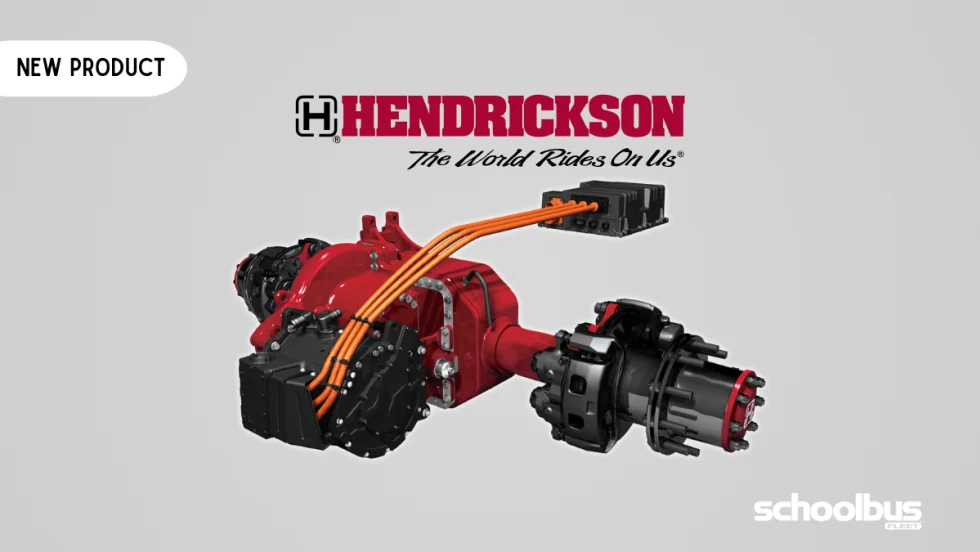
Hendrickson, Driventic Introduce New Electric Powertrain for School Buses
ELECTRAAX, the electrified, lightweight drive axle offers integrated ePowertrain efficiency and modular flexibility for Class 6–7 school bus use.
Read More →
The Mobility House Joins PowerFlex in Fleet Electrification Deal
The acquisition combines intelligent charging software, bidirectional charging expertise, and fleet electrification services to support the growing adoption of electric school buses across North America.
Read More →
Alt-Fuel Moves: Electric School Bus Investments Hit the Road
See which districts across the U.S. are putting electric school buses into service, expanding charging infrastructure, and planning the next phase of fleet electrification.
Read More →
With Fuel Volatility Ahead, School Districts Turn to Propane
While diesel prices peaked above $5 this spring, districts with propane autogas-powered fleets paid under $2 per gallon, according to PERC.
Read More →
EPA Unveils Proposed Changes to 2027 Heavy-Duty Engine Rules
The federal agency has proposed changes to next year’s targets that would eliminate DEF derates, ease warranty requirements, and retain current NOx emissions standards.
Read More →
Alt-Fuel Moves: EV Charging & Infrastructure Projects Gain Momentum
The latest developments include new funding, charging infrastructure, utility investments, and fleet technologies designed to support the transition to electric school buses nationwide.
Read More →