





Related - Update: FMCSA Officially Extends ELDT Compliance Deadline
FMCSA's Drug and Alcohol Database IDs Nearly 8K Abuse Violations
The federal agency releases data showing that its Commercial Driver’s License Drug and Alcohol Clearinghouse detected and identified nearly 8,000 positive substance abuse tests of commercial drivers since Jan. 6.
February 25, 2020
Logo courtesy Metro magazine
3 min to read
Logo courtesy Metro magazine
A version of this story appeared on Metro magazine, School Bus Fleet’s sister publication.
WASHINGTON, D.C. — The Federal Motor Carrier Safety Administration (FMCSA) identified nearly 8,000 positive substance abuse tests of commercial drivers since it opened its Commercial Driver’s License Drug and Alcohol Clearinghouse in January.
The FMCSA released data showing that the clearinghouse detected and identified nearly 8,000 positive substance abuse tests of commercial drivers since Jan. 6, according to a news release from the agency. The clearinghouse now has more than 650,000 registrants.
“We’ve seen encouraging results from the Drug and Alcohol Clearinghouse, but there’s still work to do to ensure we identify more drivers who should not be behind the wheel,” said Jim Mullen, the FMCSA’s acting administrator. “The clearinghouse is a positive step, and the agency continues to work closely with industry, law enforcement, and our state partners to ensure its implementation is effective.”
As previously reported, the clearinghouse is a secure online database that allows the FMCSA, employers of CDL drivers, state driver licensing agencies, and law enforcement officials to identify, in real time, CDL drivers who have violated federal drug and alcohol testing program requirements. The purpose of the clearinghouse is to ensure that such drivers receive the required evaluation and treatment before they can resume driving. FMCSA’s website for the clearinghouse contains important resources, including user brochures and instructional aids with step-by-step registration instructions for all users.
Those required to register for the clearinghouse include:
• Employers of commercial driver’s license (CDL) and commercial learner’s permit (CLP) holders, or their designated service agents, as well as medical review officers who report drug and alcohol program violations that occurred on or after Jan. 6.
• Employers or their designated service agents who conduct required queries, which inform them whether prospective or current employees have drug and alcohol program violations in their clearinghouse records. Employers must purchase a query plan before conducting queries in the clearinghouse. Query plans may only be purchased from the FMCSA clearinghouse website.
• Drivers who respond to employer consent requests or would like to view their clearinghouse record when applying for a job.
• Substance abuse professionals who report on the completion of driver initial assessments and driver eligibility for return-to-duty testing for violations committed on or after Jan. 6.
There is no cost for registration. Commercial drivers are not required to immediately register for the clearinghouse but will need to register to respond to an employer’s request for consent prior to a pre-employment query or other full query being conducted. In addition, employers must be registered during the first year of implementation to ensure they are able to conduct the required annual query on all employed drivers.
More Safety

How to Build a Better School Bus Driver Training Program
Is it time to strengthen your driver training? Here’s how to pick the right talent and improve recruitment, retention, and safety. This video is brought to you by IC Bus.
Read More →
Recent School Bus Accidents Leave 2 Dead, 2 Injured
Four school bus crashes in Florida, Illinois, and Georgia highlight risks in transportation lots, at bus stops, and during student loading and unloading.
Read More →
Sponsored•September 8, 2026
When Every Second Matters, Clarity Keeps Routes Moving
From routine delays to urgent incidents, strong communication practices help drivers, dispatchers, schools, and families respond with confidence.
Read More →

What Happens When a School Bus Catches Fire — and What Can Help
School bus fires are rare but can be devastating. Learn how advances in fire suppression and asset protection help fleets detect fires earlier, reduce damage, and improve safety.
Read More →
Geotab Launches Tool to Help Fleets Investigate Road Incidents
Geotab Investigations combines telematics data, video, documents, and other evidence to help fleets reconstruct incidents, resolve claims, and determine what happened.
Read More →
Texas Sixth Grader Wins 2026 National School Bus Safety Poster Contest
Sai Darshana Yekolu of Moseley Middle School in Prosper, Texas, was named the newest winner for her artwork, bringing the theme of “Safe Rides, Everyday Heroes” to life.
Read More →
Sponsored•August 27, 2026
Doing More With Less: How Transportation Directors Can Prioritize Safety Amid Budget Uncertainty
With diesel prices soaring and nearly one-third of transportation directors expecting budget cuts, maintaining student safety has never been more challenging. Download this guide to learn how leading districts are prioritizing risk, funding critical safety technology, and building stronger budget cases with data.
Read More →
Walton County Schools Adds Gatekeeper Stop-Arm Enforcement System
The Florida district will deploy Gatekeeper’s updated Student Protector technology, which now incorporates AI to improve video evidence.
Read More →
How To Build a More Secure School Bus Yard During and After Hours
As thefts and overnight security threats continue, school transportation leaders are combining stronger operational practices with AI-enabled surveillance to better protect buses, facilities, and staff.
Read More →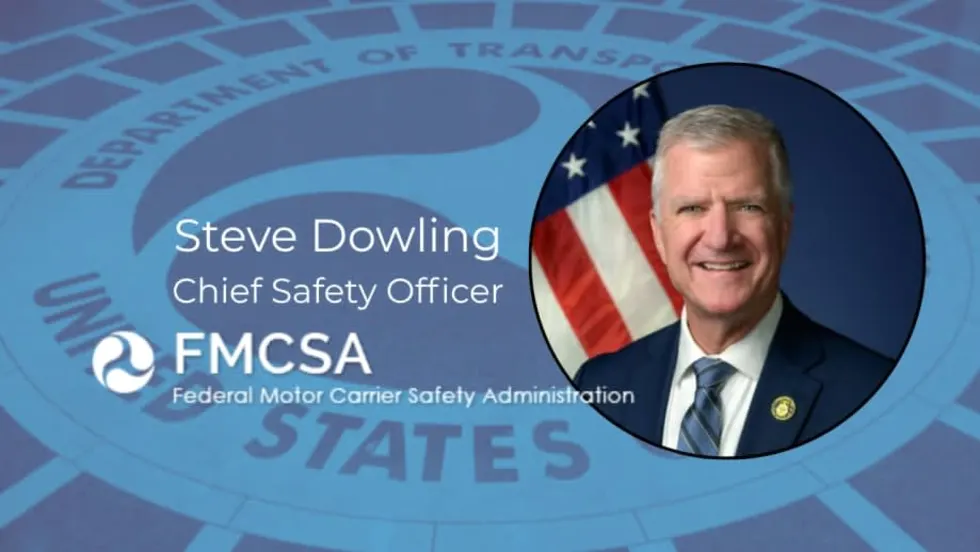
FMCSA Names New Chief Safety Officer: What School Bus Operators Should Know
Steve Dowling is set to lead the federal agency's efforts to advance commercial motor vehicle safety and reduce crashes, fatalities, and injuries on the nation's roadways.
Read More →