




FMCSA Proposes New Vision Program
The Federal Motor Carrier Safety Administration wants to eliminate its federal vision exemption waiver program and instead let medical professionals and motor carriers determine whether drivers with limited vision in one eye may drive commercial motor vehicles.
January 12, 2021

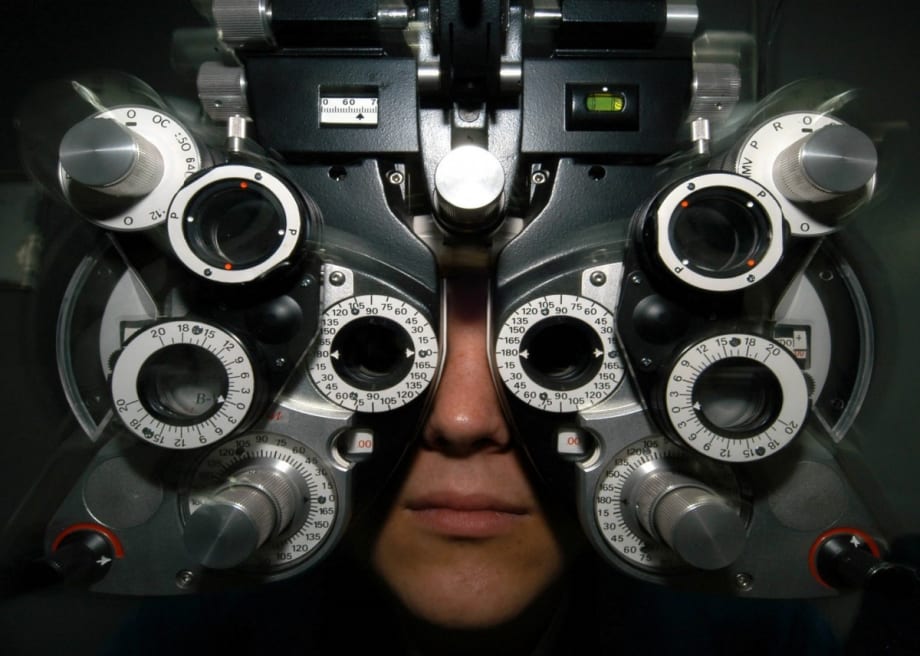
FMCSA wants to make it easier for drivers with limited vision in one eye to drive commercial motor vehicles.
Photo: Public domain via pxhere.com
3 min to read
The Federal Motor Carrier Safety Administration is proposing to eliminate its federal vision exemption waiver program and instead let medical professionals and carriers handle determining whether drivers with limited vision in one eye may drive commercial motor vehicles.
In a notice of proposed rulemaking published in the Federal Register on Jan. 12, 2021, FMCSA proposed to amend its regulations to permit an individual who cannot meet either the current distant visual acuity or field of vision standard, or both, in one eye to be physically qualified to operate a CMV in interstate commerce under specified conditions. The driver would need to meet the proposed alternative vision standard and FMCSA's other physical qualification standards.
In addition, with limited exceptions, individuals physically qualified under the alternative standard for the first time would complete a road test before operating a CMV in interstate commerce. Motor carriers would administer the road tests.
The proposed alternative vision standard is based on recommendations from FMCSA's Medical Review Board.
The federal government has been granting vision waivers since 1998, when the Federal Highway Administration was in charge of regulating trucking safety.
The agency noted that the proposed process is similar to what it adopted in 2018 for drivers with insulin-dependent diabetes. Just as in the alternative standard for insulin-treated diabetes mellitus, the alternative vision standard would involve a two-step process for physical qualification.
First, an individual seeking physical qualification would obtain a vision evaluation from an ophthalmologist or optometrist, who would record the findings and provide specific medical opinions on the proposed Vision Evaluation Report, Form MCSA-5871, which incorporates the recommendations of the Medical Review Board. Next, an approved FMCSA driver medical examiner would perform an examination and determine whether the individual meets the proposed vision standard, as well as FMCSA's other physical qualification standards. If the ME determines that the individual meets the physical qualification standards, he or she could issue a Medical Examiner's Certificate for a maximum of 12 months.
“It is well recognized in the literature that individuals with vision loss in one eye can and do develop compensatory viewing behavior to mitigate the vision loss,” notes the proposal.
Instead of requiring three years of intrastate driving experience with the vision deficiency as in the current exemption program, drivers would have to complete a road test before operating in interstate commerce.
Drivers would be excepted from the road test requirement if they have three years of intrastate or excepted interstate CMV driving experience with the vision deficiency, already hold a valid federal vision exemption, or are medically certified under § 391.64(b). These individuals have already demonstrated they can operate a CMV safely with the vision deficiency, notes the agency.
Comments must be received on or before March 15.
Originally posted on Heavy Duty Trucking
More Safety

How to Build a Better School Bus Driver Training Program
Is it time to strengthen your driver training? Here’s how to pick the right talent and improve recruitment, retention, and safety. This video is brought to you by IC Bus.
Read More →
Recent School Bus Accidents Leave 2 Dead, 2 Injured
Four school bus crashes in Florida, Illinois, and Georgia highlight risks in transportation lots, at bus stops, and during student loading and unloading.
Read More →
Sponsored•September 8, 2026
When Every Second Matters, Clarity Keeps Routes Moving
From routine delays to urgent incidents, strong communication practices help drivers, dispatchers, schools, and families respond with confidence.
Read More →

What Happens When a School Bus Catches Fire — and What Can Help
School bus fires are rare but can be devastating. Learn how advances in fire suppression and asset protection help fleets detect fires earlier, reduce damage, and improve safety.
Read More →
Geotab Launches Tool to Help Fleets Investigate Road Incidents
Geotab Investigations combines telematics data, video, documents, and other evidence to help fleets reconstruct incidents, resolve claims, and determine what happened.
Read More →
Texas Sixth Grader Wins 2026 National School Bus Safety Poster Contest
Sai Darshana Yekolu of Moseley Middle School in Prosper, Texas, was named the newest winner for her artwork, bringing the theme of “Safe Rides, Everyday Heroes” to life.
Read More →
Sponsored•August 27, 2026
Doing More With Less: How Transportation Directors Can Prioritize Safety Amid Budget Uncertainty
With diesel prices soaring and nearly one-third of transportation directors expecting budget cuts, maintaining student safety has never been more challenging. Download this guide to learn how leading districts are prioritizing risk, funding critical safety technology, and building stronger budget cases with data.
Read More →
Walton County Schools Adds Gatekeeper Stop-Arm Enforcement System
The Florida district will deploy Gatekeeper’s updated Student Protector technology, which now incorporates AI to improve video evidence.
Read More →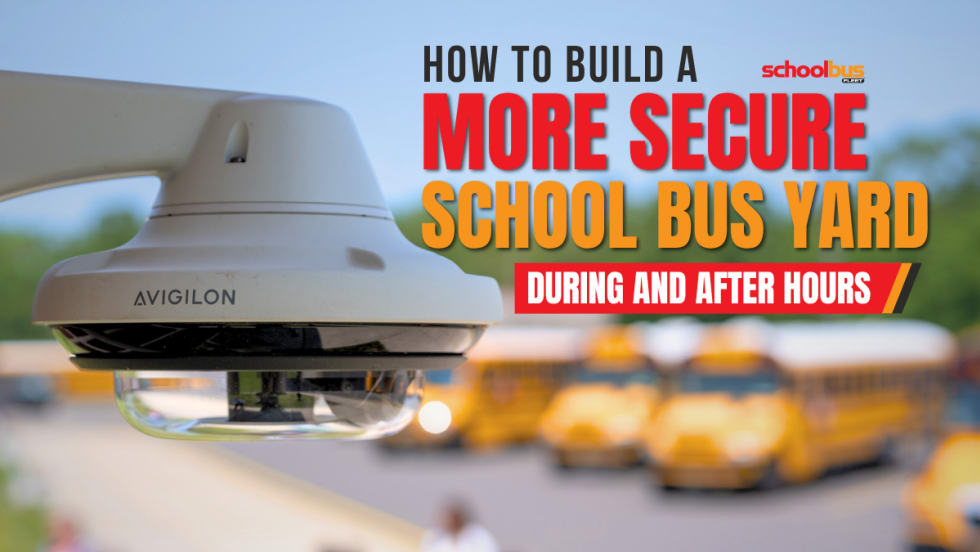
How To Build a More Secure School Bus Yard During and After Hours
As thefts and overnight security threats continue, school transportation leaders are combining stronger operational practices with AI-enabled surveillance to better protect buses, facilities, and staff.
Read More →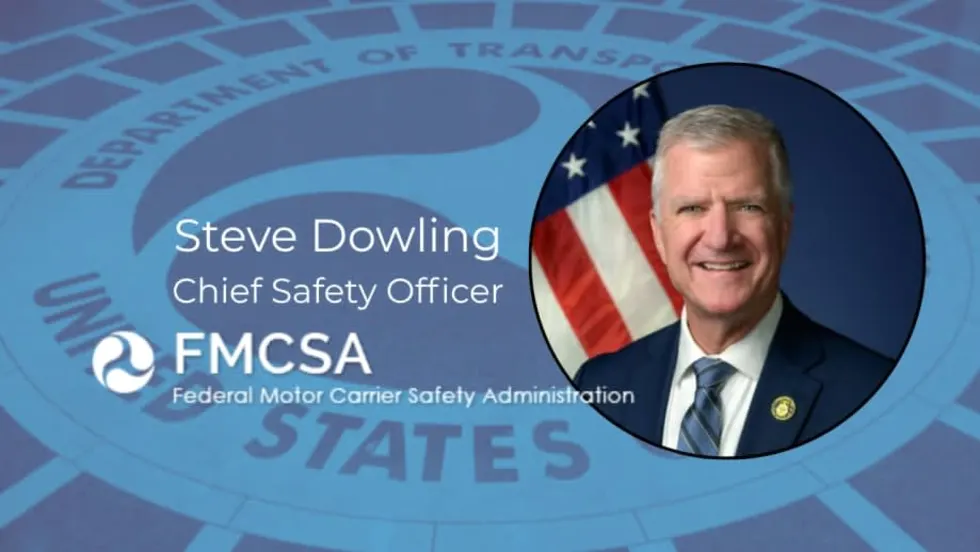
FMCSA Names New Chief Safety Officer: What School Bus Operators Should Know
Steve Dowling is set to lead the federal agency's efforts to advance commercial motor vehicle safety and reduce crashes, fatalities, and injuries on the nation's roadways.
Read More →