




Look Back: Safety, Savings, and Insights: Innovations in Internal Camera Monitoring Systems
FMCSA Approves Rosco Vision Digital Camera Exemption
The limited 5-year exemption takes effect Dec. 4 and lasts until the same date in 2027, allowing the company's digital camera system to serve as an alternative to two rear-vision mirrors.
by SBF Staff
December 2, 2022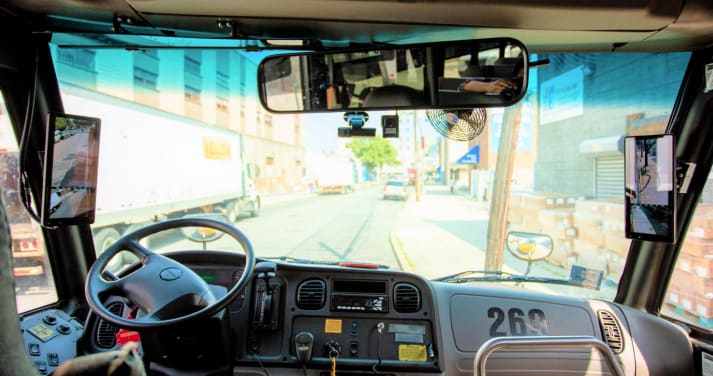
The Rosco Vision Digital Camera Monitor System (DCMS) consists of two rearward-facing camera assemblies mounted high on each side of a school bus exterior and two vertical viewing monitors inside the bus.
Photo: Rosco Vision, Inc.
2 min to read
The Federal Motor Carrier Safety Administration has granted Rosco Vision Inc.’s exemption to allow digital cameras as an alternative to the two rear-vision mirrors normally required under federal safety regulations.
The limited 5-year exemption takes effect Dec. 4 and lasts until 2027. In its approval notice, the FMCSA indicated that it “has determined that granting the exemption would likely achieve a level of safety equivalent to or greater than the level of safety provided by the regulation.”
The exemption to Section 393.80(a) applies to Rosco Vision’s Digital Camera Monitor System (DCMS), which provides drivers with an enhanced side and rearward field of vision “exceeding that which is provided by conventional mirrors,” the company stated in its application.
What the Camera System Does

The system is designed to make sure the left-hand and right-hand camera/monitor subsystems operate independently.
Image: Rosco Vision, Inc.
The system consists of two rearward-facing camera assemblies mounted high on each side of a school bus exterior and two vertical viewing monitors inside the bus.
Each subsystem has a dedicated connection to the vehicle electrical system. Thus, Rosco Vision told the FMCSA, the configuration makes certain that both left-hand and right-hand camera/monitor subsystems operate independently “so in the rare event of equipment failure, only one side is affected.”
By design, if one of the cameras in the assembly fails, the system automatically adjusts the view of the interior monitor for that side to a full-screen view of the remaining working camera.
Reaching the Decision
In its decision, the FMCSA noted that while it received four comments opposing this specific exemption, mostly over safety concerns in the event of camera failure, many supportive comments were recorded in similar camera-based mirror exemptions for products such as the MirrorEye Camera Monitor System, SmartVision System, and Digital Mirror System.
Benefits cited in those applications included:
Superior total field-of-view around the vehicle, including reduction of blind spots.
Increased visibility when driving at night and during inclement weather.
Enhanced vehicle maneuverability in backing, turning, and lane changes.
Reduced driver fatigue.
Conditions of the exemption include:
Drivers must inspect the system each time before operating the vehicle to make sure it’s working.
Drivers must check at the end of the day and note any defects in the equipment. Defects must be repaired before the driver operates the vehicle again.
Anyone with safety concerns about using the product as an alternative to two rear-vision mirrors should immediately notify FMCSA by email at MCPSV@dot.gov.
More Safety

How to Build a Better School Bus Driver Training Program
Is it time to strengthen your driver training? Here’s how to pick the right talent and improve recruitment, retention, and safety. This video is brought to you by IC Bus.
Read More →
Recent School Bus Accidents Leave 2 Dead, 2 Injured
Four school bus crashes in Florida, Illinois, and Georgia highlight risks in transportation lots, at bus stops, and during student loading and unloading.
Read More →
Sponsored•September 8, 2026
When Every Second Matters, Clarity Keeps Routes Moving
From routine delays to urgent incidents, strong communication practices help drivers, dispatchers, schools, and families respond with confidence.
Read More →

What Happens When a School Bus Catches Fire — and What Can Help
School bus fires are rare but can be devastating. Learn how advances in fire suppression and asset protection help fleets detect fires earlier, reduce damage, and improve safety.
Read More →
Geotab Launches Tool to Help Fleets Investigate Road Incidents
Geotab Investigations combines telematics data, video, documents, and other evidence to help fleets reconstruct incidents, resolve claims, and determine what happened.
Read More →
Texas Sixth Grader Wins 2026 National School Bus Safety Poster Contest
Sai Darshana Yekolu of Moseley Middle School in Prosper, Texas, was named the newest winner for her artwork, bringing the theme of “Safe Rides, Everyday Heroes” to life.
Read More →
Sponsored•August 27, 2026
Doing More With Less: How Transportation Directors Can Prioritize Safety Amid Budget Uncertainty
With diesel prices soaring and nearly one-third of transportation directors expecting budget cuts, maintaining student safety has never been more challenging. Download this guide to learn how leading districts are prioritizing risk, funding critical safety technology, and building stronger budget cases with data.
Read More →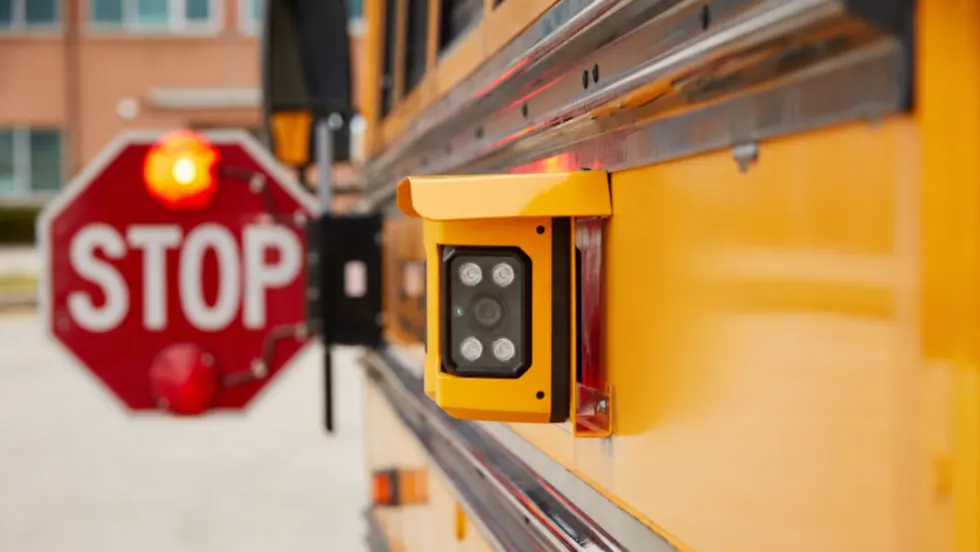
Walton County Schools Adds Gatekeeper Stop-Arm Enforcement System
The Florida district will deploy Gatekeeper’s updated Student Protector technology, which now incorporates AI to improve video evidence.
Read More →
How To Build a More Secure School Bus Yard During and After Hours
As thefts and overnight security threats continue, school transportation leaders are combining stronger operational practices with AI-enabled surveillance to better protect buses, facilities, and staff.
Read More →
FMCSA Names New Chief Safety Officer: What School Bus Operators Should Know
Steve Dowling is set to lead the federal agency's efforts to advance commercial motor vehicle safety and reduce crashes, fatalities, and injuries on the nation's roadways.
Read More →