




Related: First Student Delivers Over 1 Million Meals During School Closures
First Student Launches COVID-Related Safety Program
Start Safe outlines procedures related to face coverings, training, disinfectants, and social distancing to reduce and prevent transmission of COVID-19.
by SBF Staff
August 26, 2020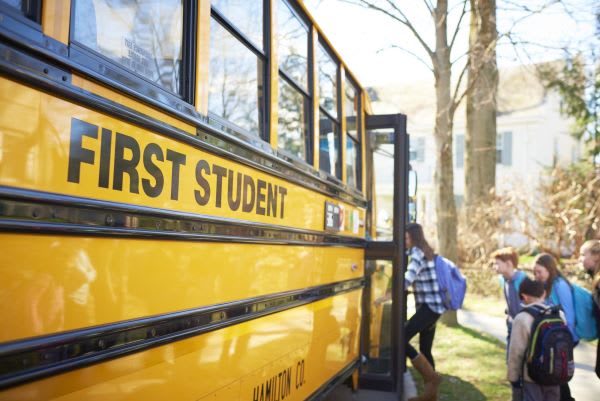
Start Safe outlines procedures related to face coverings, training, disinfectants, and social distancing to reduce and prevent transmission of COVID-19.
Photo courtesy First Student
3 min to read
As students begin returning to school for in-person instruction, First Student has introduced Start Safe, a comprehensive program that outlines safety and operating procedures to prevent and reduce transmission of COVID-19.
“While we look forward to students returning to the classroom, we know we must do things differently this year to provide a safe start and finish to each school day,” First Student President Paul G. Osland said in a news release from the school bus company. “As the largest student transportation company in North America, it’s our responsibility to develop industry-leading standards that prioritize the health, safety, and well-being of our employees and passengers. With Start Safe, we deliver on this promise while helping our district partners, parents, and students feel comfortable and confident about the safety of school buses during the pandemic.”
The school bus company formed a Start Safe task force, which is comprised of more than 20 senior-level, cross-functional subject matter experts, and will drive its approach to combating COVID-19. It then collaborated with government agencies, health care organizations, university research teams, and school bus manufacturers to test and share information and determine First Student’s approach. Those insights informed First Student’s Start Safe measures on school buses and at the company’s nearly 500 locations across North America.
First Student’s approach includes:
• Face coverings: First Student is providing employees with face coverings and requires that they are worn at First Student locations and on the bus. Consistent with CDC guidelines, if a face covering obstructs or impairs the drivers’ vision, the driver is permitted to remove the face covering while operating the vehicle safely.
• Employee training and protocols: In addition to addressing face coverings, First Student’s new Start Safe employee training includes new safety protocols such as identifying COVID-19 symptoms, reducing in-person contact between co-workers and social distancing in high-traffic areas.
• Disinfected and protected school buses: First Student is working to make the school bus as clean as possible. It offers two bus disinfectant options for district partners: a daily disinfectant and an antimicrobial surface protectant that is designed to provide long-lasting antimicrobial protection against a range of viruses, bacteria, and pathogens.
• Social distancing solutions: First Student is partnering with school districts to establish specific social distancing solutions, including limiting the number of students transported per route, assigning seats, and developing new loading and unloading procedures.
In addition, First Student has available interior seat stickers and step signage to convey social distancing requirements in a student-friendly way.
The school bus company is working with each of its nearly 1,100 school district partners to create customized transportation plans based on direction provided by states, provinces, or cities.
To further support school districts and their communications about school bus safety, First Student created the Start Safe webpage, which includes information about Start Safe, videos, sample social media posts, and Zoom backgrounds with Safety Dog, First Student’s safety mascot.
The school bus company also created a parent and student page with materials such as tip sheets, videos, coloring/activity sheets, posters, and a Safety Dog safety pledge.
More Safety

How to Build a Better School Bus Driver Training Program
Is it time to strengthen your driver training? Here’s how to pick the right talent and improve recruitment, retention, and safety. This video is brought to you by IC Bus.
Read More →
Recent School Bus Accidents Leave 2 Dead, 2 Injured
Four school bus crashes in Florida, Illinois, and Georgia highlight risks in transportation lots, at bus stops, and during student loading and unloading.
Read More →
Sponsored•September 8, 2026
When Every Second Matters, Clarity Keeps Routes Moving
From routine delays to urgent incidents, strong communication practices help drivers, dispatchers, schools, and families respond with confidence.
Read More →

What Happens When a School Bus Catches Fire — and What Can Help
School bus fires are rare but can be devastating. Learn how advances in fire suppression and asset protection help fleets detect fires earlier, reduce damage, and improve safety.
Read More →
Geotab Launches Tool to Help Fleets Investigate Road Incidents
Geotab Investigations combines telematics data, video, documents, and other evidence to help fleets reconstruct incidents, resolve claims, and determine what happened.
Read More →
Texas Sixth Grader Wins 2026 National School Bus Safety Poster Contest
Sai Darshana Yekolu of Moseley Middle School in Prosper, Texas, was named the newest winner for her artwork, bringing the theme of “Safe Rides, Everyday Heroes” to life.
Read More →
Sponsored•August 27, 2026
Doing More With Less: How Transportation Directors Can Prioritize Safety Amid Budget Uncertainty
With diesel prices soaring and nearly one-third of transportation directors expecting budget cuts, maintaining student safety has never been more challenging. Download this guide to learn how leading districts are prioritizing risk, funding critical safety technology, and building stronger budget cases with data.
Read More →
Walton County Schools Adds Gatekeeper Stop-Arm Enforcement System
The Florida district will deploy Gatekeeper’s updated Student Protector technology, which now incorporates AI to improve video evidence.
Read More →
How To Build a More Secure School Bus Yard During and After Hours
As thefts and overnight security threats continue, school transportation leaders are combining stronger operational practices with AI-enabled surveillance to better protect buses, facilities, and staff.
Read More →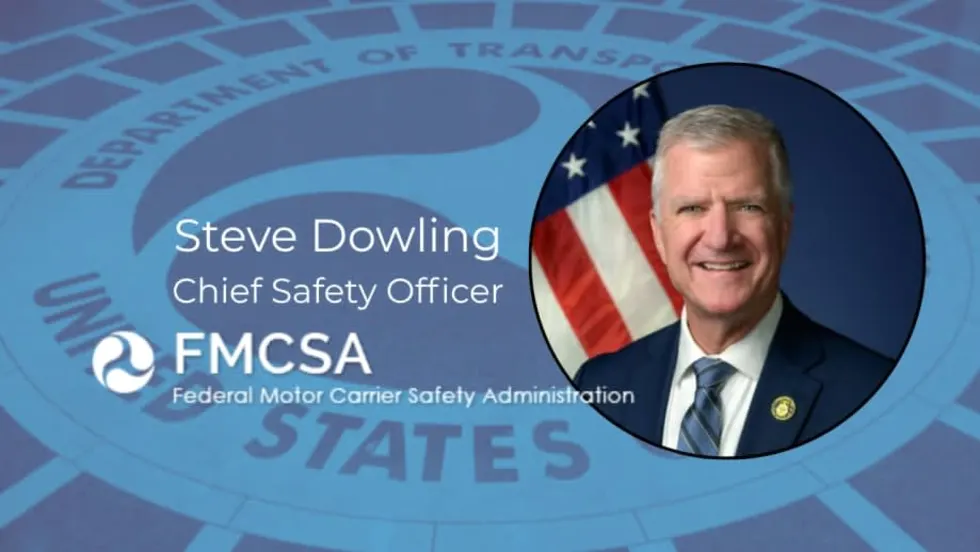
FMCSA Names New Chief Safety Officer: What School Bus Operators Should Know
Steve Dowling is set to lead the federal agency's efforts to advance commercial motor vehicle safety and reduce crashes, fatalities, and injuries on the nation's roadways.
Read More →