




First P-mark for bus fire suppression issued
As reported last year, SP Technical Research Institute of Sweden established the voluntary P-mark certification/quality mark for fire suppression systems for the bus and coach industry. Now, the Compact Line system has earned the first P-mark, and several others are being tested at SP to obtain the mark.

BORAS, Sweden — The first P-mark certification for bus fire suppression has been issued to the Compact Line system.
As reported last year, SP Technical Research Institute of Sweden established the voluntary P-mark certification/quality mark for fire suppression systems for the bus and coach industry.
SP launched the project in 2005 with the objective of creating a safer environment for passengers and bus drivers worldwide. The institute also developed a new standard, SP method 4912, edition 3, which was published last year.
SP officials said that in addition to the first P-mark being issued to the Compact Line system — which is manufactured by CEODEUX Extinguisher Valves Technology — several other companies are running tests at SP to obtain the certification.
“A fire suppression system tested in accordance with SP method 4912 has shown its functionality against realistic bus engine fires,” SP officials said in a statement. “A P-marked system, tested in accordance to SPCR 183, further demonstrates a high degree of robustness, as it is also tested for resistance to harsh environments in internationally accepted vehicle standards, in addition to the SP method 4912 fire tests.”
One key component of the P-mark process is a risk assessment requirement based on the fire test results to optimize the fire suppression system design in real bus engine compartments.
For more information, go here.
More Safety
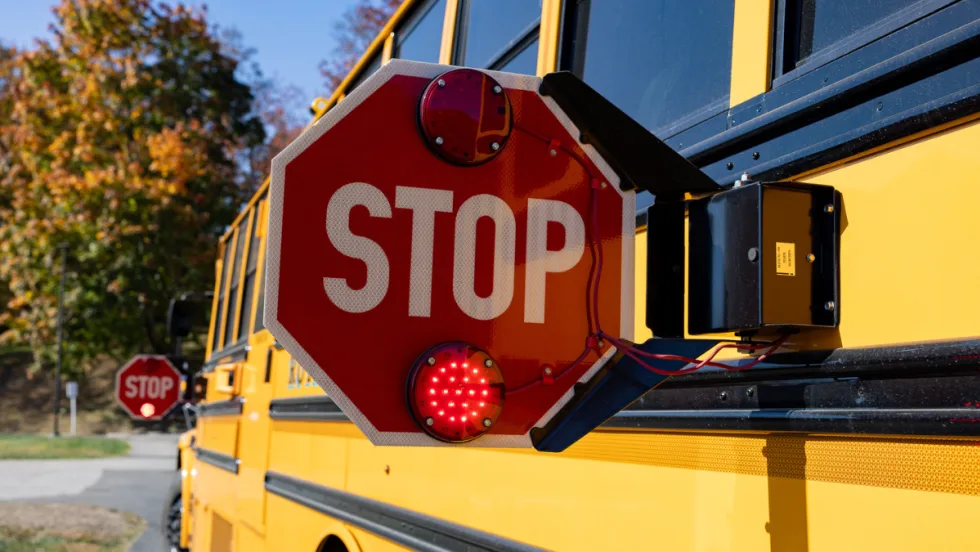
Illegal School Bus Passing Drops 24% in New York Districts
With fewer than 5% of citations involving repeat offenders, Westchester County officials said enforcement, education, and community partnerships are helping change driver behavior.
Read More →
School's Back. Here's What Happened to Traffic, Speeding & Distraction
What happens to traffic when school resumes? New data analysis examines changes in distracted driving, congestion, and speeding around schools.
Read More →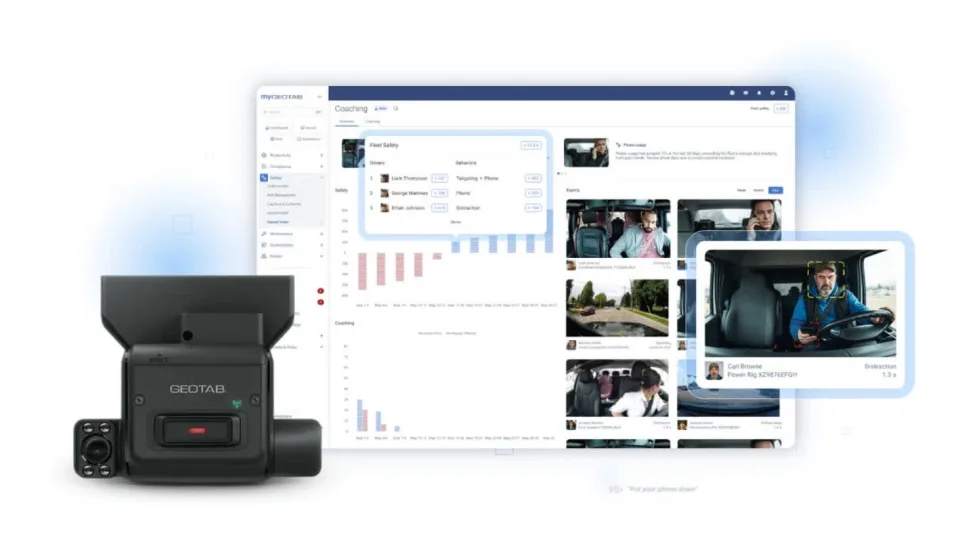
Geotab Expands Fleet Safety Tools With Video Coaching, Risk Insights
New safety and video capabilities aim to help fleet managers assess risk, support drivers, and take targeted action through video coaching, red-light violation detection, and more.
Read More →

How to Build a Better School Bus Driver Training Program
Is it time to strengthen your driver training? Here’s how to pick the right talent and improve recruitment, retention, and safety. This video is brought to you by IC Bus.
Read More →
Recent School Bus Accidents Leave 2 Dead, 2 Injured
Four school bus crashes in Florida, Illinois, and Georgia highlight risks in transportation lots, at bus stops, and during student loading and unloading.
Read More →
When Every Second Matters, Clarity Keeps Routes Moving
From routine delays to urgent incidents, strong communication practices help drivers, dispatchers, schools, and families respond with confidence.
Read More →
What Happens When a School Bus Catches Fire — and What Can Help
School bus fires are rare but can be devastating. Learn how advances in fire suppression and asset protection help fleets detect fires earlier, reduce damage, and improve safety.
Read More →
Geotab Launches Tool to Help Fleets Investigate Road Incidents
Geotab Investigations combines telematics data, video, documents, and other evidence to help fleets reconstruct incidents, resolve claims, and determine what happened.
Read More →
Texas Sixth Grader Wins 2026 National School Bus Safety Poster Contest
Sai Darshana Yekolu of Moseley Middle School in Prosper, Texas, was named the newest winner for her artwork, bringing the theme of “Safe Rides, Everyday Heroes” to life.
Read More →
Doing More With Less: How Transportation Directors Can Prioritize Safety Amid Budget Uncertainty
With diesel prices soaring and nearly one-third of transportation directors expecting budget cuts, maintaining student safety has never been more challenging. Download this guide to learn how leading districts are prioritizing risk, funding critical safety technology, and building stronger budget cases with data.
Read More →