




First 2010 emissions-compliant IC buses delivered
A Mississippi district receives 28 IC Bus CE Series school buses equipped with EPA-certified MaxxForce DT Advanced EGR engines from Navistar.

COLUMBUS, Miss. — Navistar International Corp. has delivered to Columbus Municipal School District the first IC school buses certified by the EPA to be compliant with 2010 diesel emissions requirements.
The 28 IC Bus CE Series school buses were purchased by the district with funding received earlier in the year from the EPA in conjunction with the American Reinvestment and Recovery Act’s National Clean Diesel Funding Assistance Program.
The buses were built with MaxxForce DT Advanced Exhaust Gas Recirculation (EGR) engines. Company officials said that the engines are clean-burning from startup to shutdown and comply not only in the test environment with prescribed operating cycles, but also on the road under every operating condition.
"We’re proud to deliver these buses with 2010-certified engines to the Columbus School District,” said John McKinney, president of IC Bus. "The delivery of these buses, powered by our EPA-certified MaxxForce Advanced EGR engines, marks our first step in the launch of our 2010 engines.”
The delivery of the buses was a welcome and anticipated event for the district.
“We’re excited to work with IC Bus and our dealer, Waters Truck and Tractor, to put these funds to work and to upgrade a large portion of our school bus fleet to meet the next level of emissions standards,” said Dr. Del R. Phillips, district superintendent. “The new standard set for these 2010 buses will significantly reduce emissions each day as we transport students in our city. It's truly a win-win situation for our community and school district.”
More Alternative Fuels

EPA Opens $180M DERA Funding Round for Diesel Upgrades
The 2026 Diesel Emissions Reduction Act program seeks applications from eligible organizations to accelerate the retirement of legacy diesel vehicles.
Read More →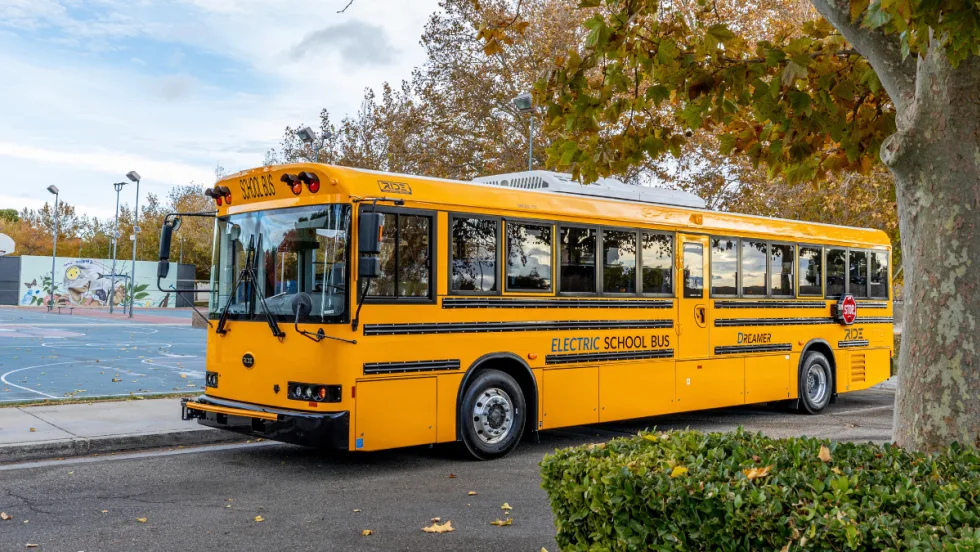
The Secret Life of an Electric School Bus Battery
Batteries change throughout years of daily routes, but degradation doesn’t necessarily mean the end. Here’s what operators should know about performance, safety, and second life.
Read More →
CALSTART and Forth Combine to Form Catalyst Mobility
The new name represents a renewed vision for the nonprofit focused on advancing clean, equitable, and affordable transportation solutions that move people and goods.
Read More →
Alt-Fuel Moves: New Buses, Charging Hubs & Real-World EV Testing
Propane and electric school bus deployments continue to grow as districts add new vehicles, expand charging infrastructure, and gather more real-world operating data.
Read More →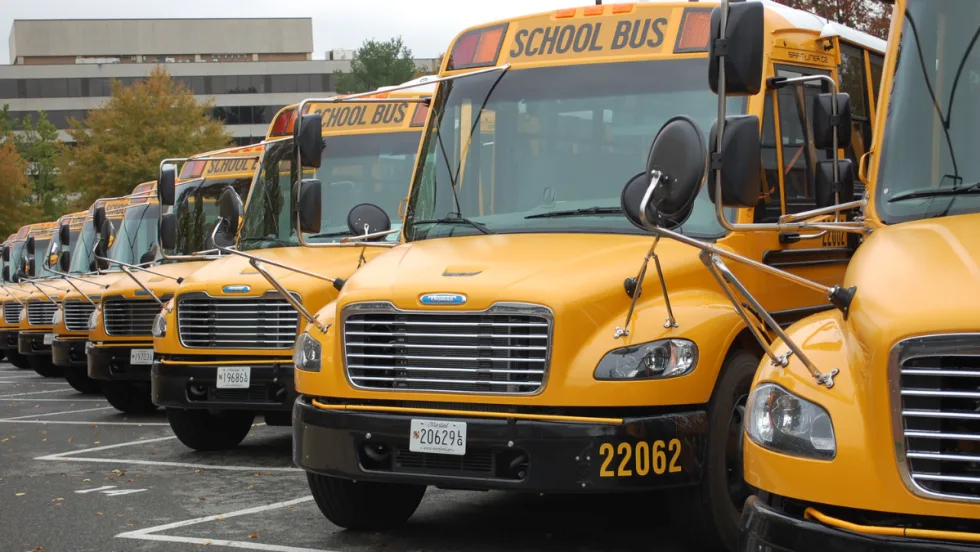
Fewer Electric School Bus Models Reshape the U.S. Market
WRI’s latest buyer’s guide points to a consolidating electric school bus market, but fewer options may reflect a maturing industry rather than fewer meaningful choices for school bus operators.
Read More →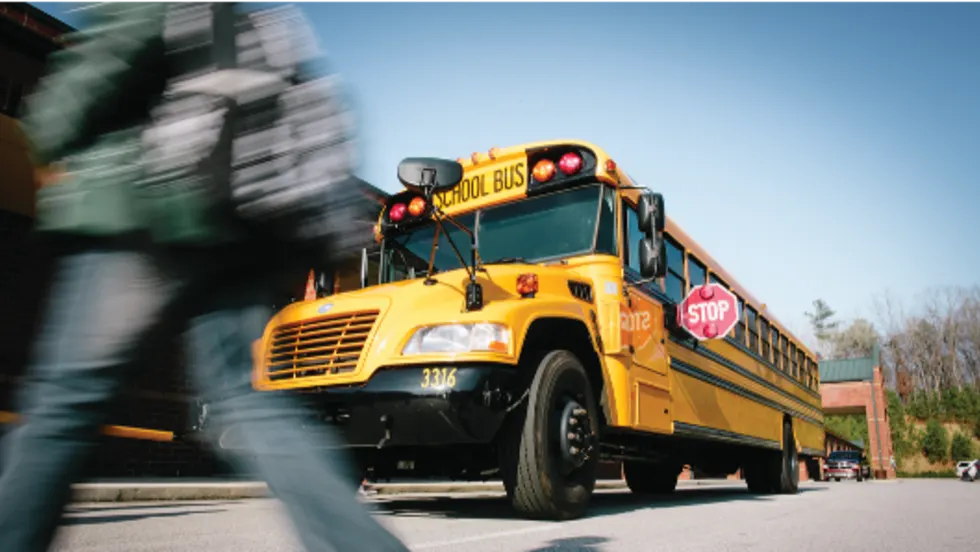
The Fuel Budget You Can Actually Predict: How Propane Autogas Keeps Money in the Classroom
Learn how propane autogas helps school districts manage fuel costs with predictable pricing, lower maintenance, and reduced emissions from former transportation director Joel Stutheit.
Read More →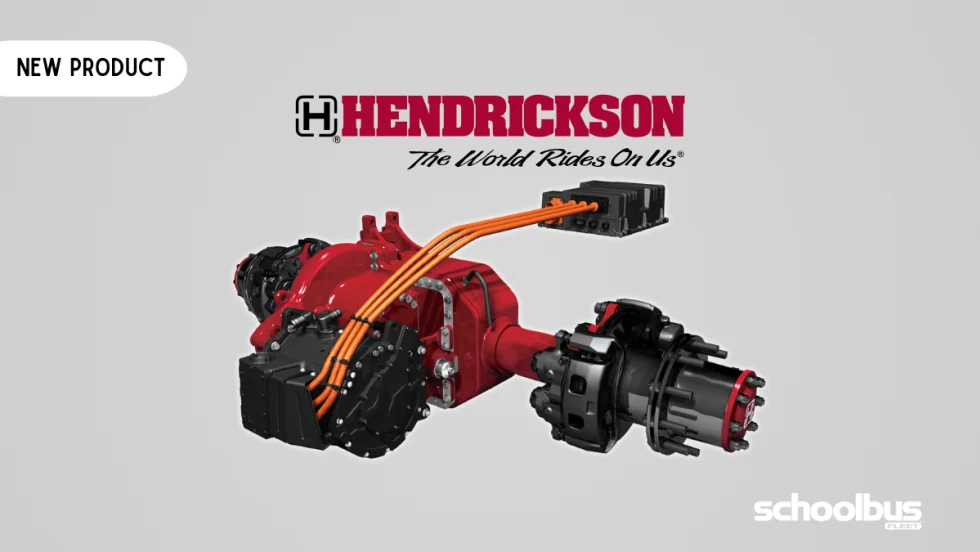
Hendrickson, Driventic Introduce New Electric Powertrain for School Buses
ELECTRAAX, the electrified, lightweight drive axle offers integrated ePowertrain efficiency and modular flexibility for Class 6–7 school bus use.
Read More →
The Mobility House Joins PowerFlex in Fleet Electrification Deal
The acquisition combines intelligent charging software, bidirectional charging expertise, and fleet electrification services to support the growing adoption of electric school buses across North America.
Read More →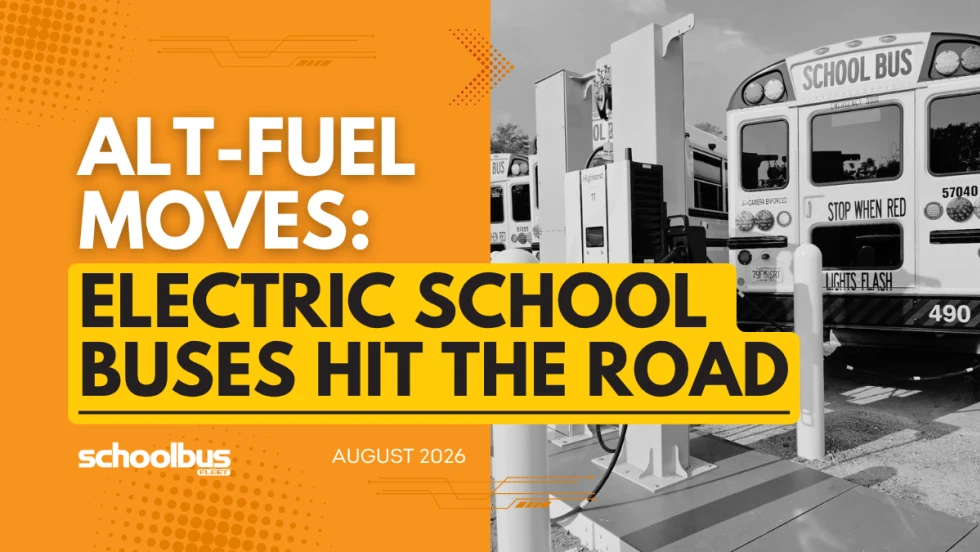
Alt-Fuel Moves: Electric School Bus Investments Hit the Road
See which districts across the U.S. are putting electric school buses into service, expanding charging infrastructure, and planning the next phase of fleet electrification.
Read More →
With Fuel Volatility Ahead, School Districts Turn to Propane
While diesel prices peaked above $5 this spring, districts with propane autogas-powered fleets paid under $2 per gallon, according to PERC.
Read More →