




Feds unveil efficiency standards for trucks, buses
The EPA and NHTSA propose the first national standards to reduce greenhouse gas emissions and improve the fuel efficiency of heavy-duty trucks and buses. School buses are included in the vocational vehicles category.


U.S. Transportation Secretary Ray LaHood and EPA Administrator Lisa Jackson discuss proposed standards to reduce greenhouse gas emissions and improve the fuel efficiency of heavy-duty trucks and buses.
WASHINGTON, D.C. — The federal government on Monday announced the first national standards to reduce greenhouse gas (GHG) emissions and improve the fuel efficiency of heavy-duty trucks and buses.
The move stems from a memorandum that President Obama sent to the administrators of the EPA and the National Highway Traffic Safety Administration (NHTSA) earlier this year.
The national program is projected to reduce GHG emissions by nearly 250 million metric tons and to save 500 million barrels of oil over the lives of the vehicles produced within the program’s first five years.
The EPA and NHTSA are proposing new standards for three categories of heavy vehicles: combination tractors, heavy-duty pickups and vans, and vocational vehicles.
School buses are included in the vocational category. For vocational vehicles, the agencies are proposing engine and vehicle standards starting in the 2014 model year that would achieve up to a 10-percent reduction in fuel consumption and CO2 emissions by the 2018 model year.
“These new standards are another step in our work to develop a new generation of clean, fuel-efficient American vehicles that will improve our environment and strengthen our economy,” EPA Administrator Lisa Jackson said. “In addition to cutting greenhouse gas pollution, greater fuel economy will shrink fuel costs for small businesses that depend on pickups and heavy duty vehicles, shipping companies and cities and towns with fleets of these vehicles. Those savings can be invested in new jobs at home, rather than heading overseas and increasing our dependence on foreign oil.”
U.S. Transportation Secretary Ray LaHood added that “through new fuel-efficiency standards for trucks and buses, we will not only reduce transportation’s environmental impact, we’ll reduce the cost of transporting freight. This is a win-win-win for the environment, businesses and the American consumer.”
Overall, NHTSA and the EPA estimate that the heavy-duty national program would provide $41 billion in net benefits over the lifetime of model year 2014 to 2018 vehicles.
The agencies said that technologies involved in the program would include "widespread use of aerodynamic improvements and tire rolling resistance, as well as engine and transmission upgrades."
The EPA and NHTSA are providing a 60-day comment period that begins when the proposal is published in the Federal Register. The proposal and information about how to submit comments is at: www.epa.gov/otaq/climate/regulations.htm and www.nhtsa.gov/fuel-economy.
More Alternative Fuels

CALSTART and Forth Combine to Form Catalyst Mobility
The new name represents a renewed vision for the nonprofit focused on advancing clean, equitable, and affordable transportation solutions that move people and goods.
Read More →
Alt-Fuel Moves: New Buses, Charging Hubs & Real-World EV Testing
Propane and electric school bus deployments continue to grow as districts add new vehicles, expand charging infrastructure, and gather more real-world operating data.
Read More →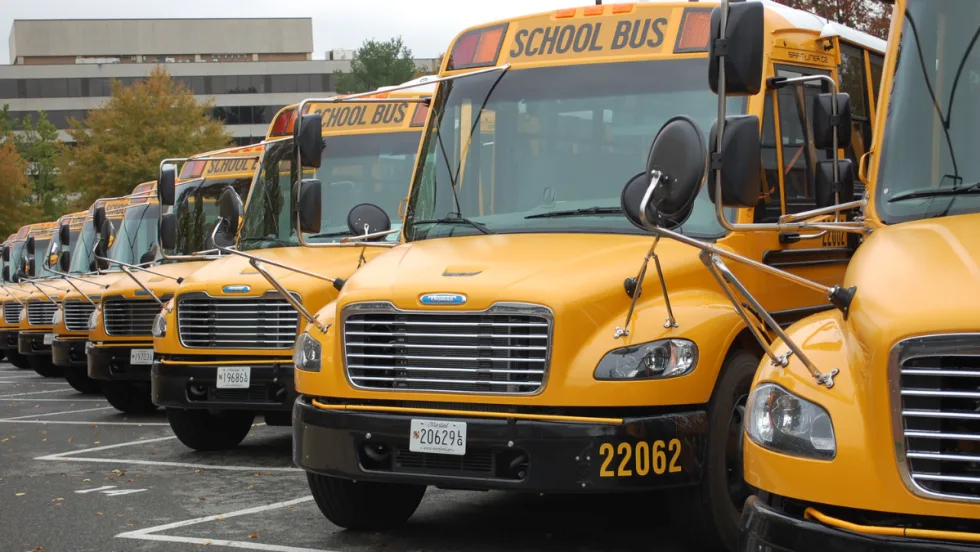
Fewer Electric School Bus Models Reshape the U.S. Market
WRI’s latest buyer’s guide points to a consolidating electric school bus market, but fewer options may reflect a maturing industry rather than fewer meaningful choices for school bus operators.
Read More →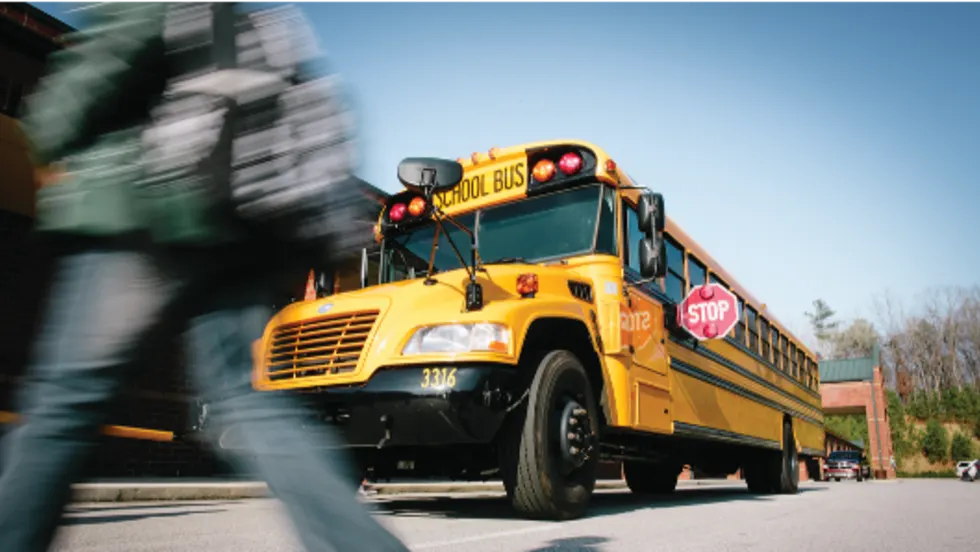
The Fuel Budget You Can Actually Predict: How Propane Autogas Keeps Money in the Classroom
Learn how propane autogas helps school districts manage fuel costs with predictable pricing, lower maintenance, and reduced emissions from former transportation director Joel Stutheit.
Read More →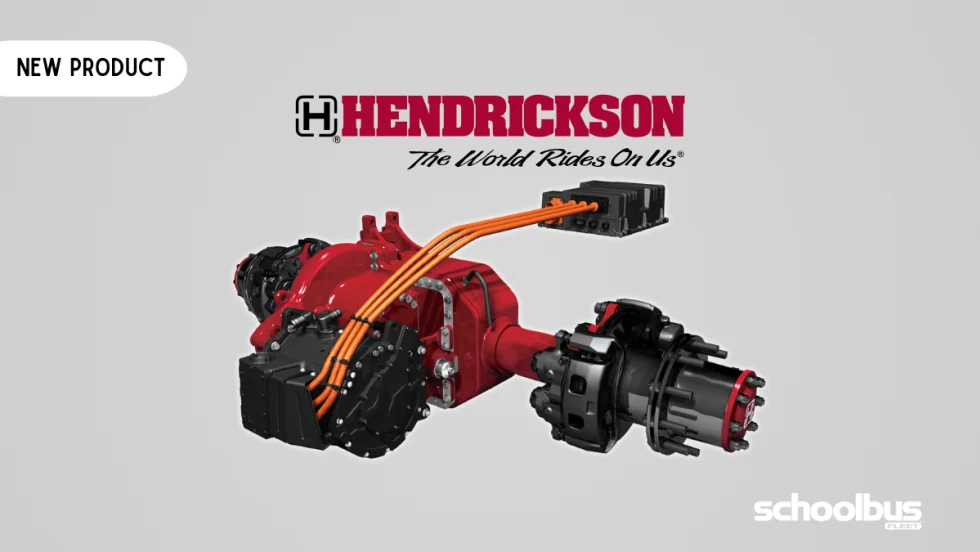
Hendrickson, Driventic Introduce New Electric Powertrain for School Buses
ELECTRAAX, the electrified, lightweight drive axle offers integrated ePowertrain efficiency and modular flexibility for Class 6–7 school bus use.
Read More →
The Mobility House Joins PowerFlex in Fleet Electrification Deal
The acquisition combines intelligent charging software, bidirectional charging expertise, and fleet electrification services to support the growing adoption of electric school buses across North America.
Read More →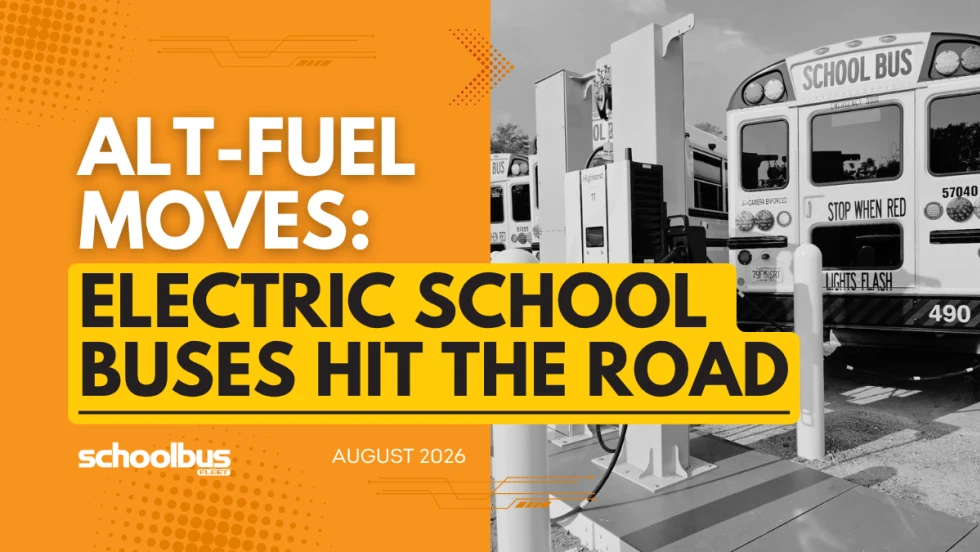
Alt-Fuel Moves: Electric School Bus Investments Hit the Road
See which districts across the U.S. are putting electric school buses into service, expanding charging infrastructure, and planning the next phase of fleet electrification.
Read More →
With Fuel Volatility Ahead, School Districts Turn to Propane
While diesel prices peaked above $5 this spring, districts with propane autogas-powered fleets paid under $2 per gallon, according to PERC.
Read More →
EPA Unveils Proposed Changes to 2027 Heavy-Duty Engine Rules
The federal agency has proposed changes to next year’s targets that would eliminate DEF derates, ease warranty requirements, and retain current NOx emissions standards.
Read More →
Alt-Fuel Moves: EV Charging & Infrastructure Projects Gain Momentum
The latest developments include new funding, charging infrastructure, utility investments, and fleet technologies designed to support the transition to electric school buses nationwide.
Read More →