



Feds take aim at back-up accidents
New NHTSA proposal would expand the required field of rear view for vehicles up to 10,000 pounds. The agency requests comments on whether small school buses should be excluded from the final rule.

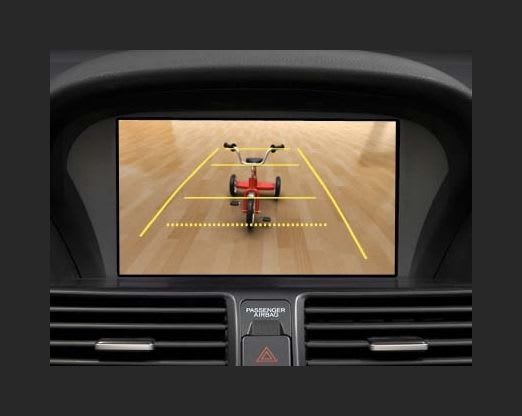
A new NHTSA proposal would expand the required field of rear view for vehicles up to 10,000 pounds. The agency requests comments on whether small school buses should be excluded from the final rule.
WASHINGTON, D.C. — A new federal proposal would expand the required field of rear view for vehicles up to 10,000 pounds, including small school buses.
The proposed rulemaking, issued Friday by the National Highway Traffic Safety Administration (NHTSA), aims to help eliminate blind zones behind vehicles that can hide the presence of pedestrians — particularly young children and the elderly.
The proposed rule was required by Congress as part of the Cameron Gulbransen Kids Transportation Safety Act of 2007. Cameron, a 2-year-old, was killed when his father accidentally backed over him in the family’s driveway.
“There is no more tragic accident than for a parent or caregiver to back out of a garage or driveway and kill or injure an undetected child playing behind the vehicle,” Transportation Secretary Ray LaHood said. “The changes we are proposing today will help drivers see into those blind zones directly behind vehicles to make sure it is safe to back up.”
The proposal would include all passenger cars, pickup trucks, minivans, buses and low-speed vehicles (LSVs) with a gross vehicle weight rating of up to 10,000 pounds, requiring that drivers can see directly behind the vehicle when the transmission is in reverse.
NHTSA said it believes that manufacturers will install rear-mounted video cameras and in-vehicle displays to meet the proposed standards. Ten percent of new vehicles would have to comply by September 2012, 40 percent by September 2013 and 100 percent by September 2014.
In the proposal, NHTSA notes that in its review of real-world crashes, the agency could not determine whether there were any backover incidents involving LSVs, small school buses and school vans.
“Accordingly, we seek comment and data related to the issue of whether, if the agency remains unable to find such incidents, it could reasonably conclude that those vehicles pose no unreasonable risk of backover crashes and whether it would be permissible therefore … to exclude these vehicles from the application of the final rule,” the agency says in the proposal.
NHTSA is providing a 60-day comment period on the rulemaking. To view the proposal and information about how to submit comments, click here.
More Safety
North Carolina Student Killed While Boarding School Bus, Two Die in Utah Bus Crash
A Southern Nash High School student died after being struck by a pickup truck while approaching her school bus. In a separate incident, two people were killed after crashing into a school bus in Utah.
Read More →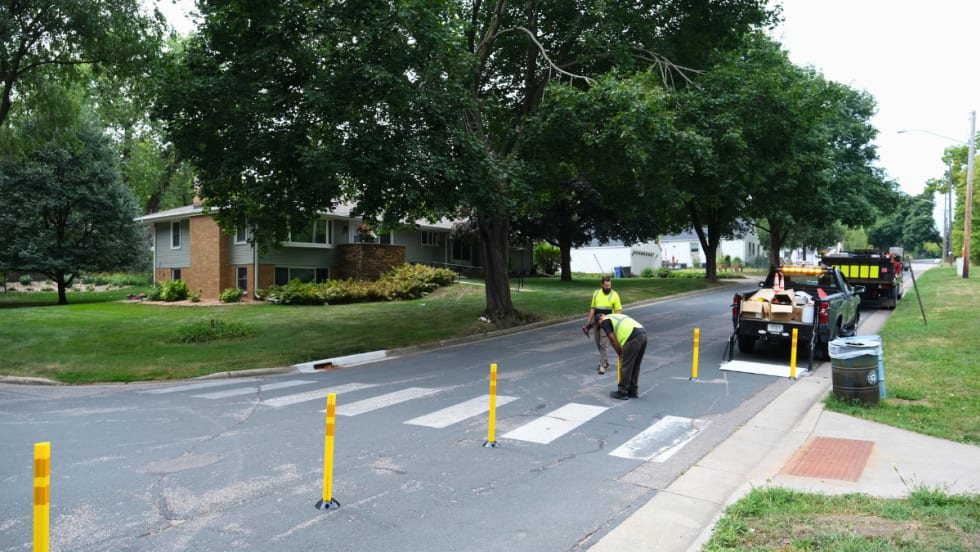
Minneapolis School Zone Pilot Cuts Speeding 41% with Low-Cost Street Design Changes
In a pilot project in Minnesota, two school-area intersections had low-cost, temporary road and traffic flow improvements made to measure the impact on roadway and student safety. Here's what they found.
Read More →
Sitestream, Safety Vision Partner with Connecticut City to Launch School Bus Stop-Arm Camera Program
The new enforcement initiative combines camera technology and violation management software to document illegal school bus passing, encourage driver compliance, and enhance student safety.
Read More →
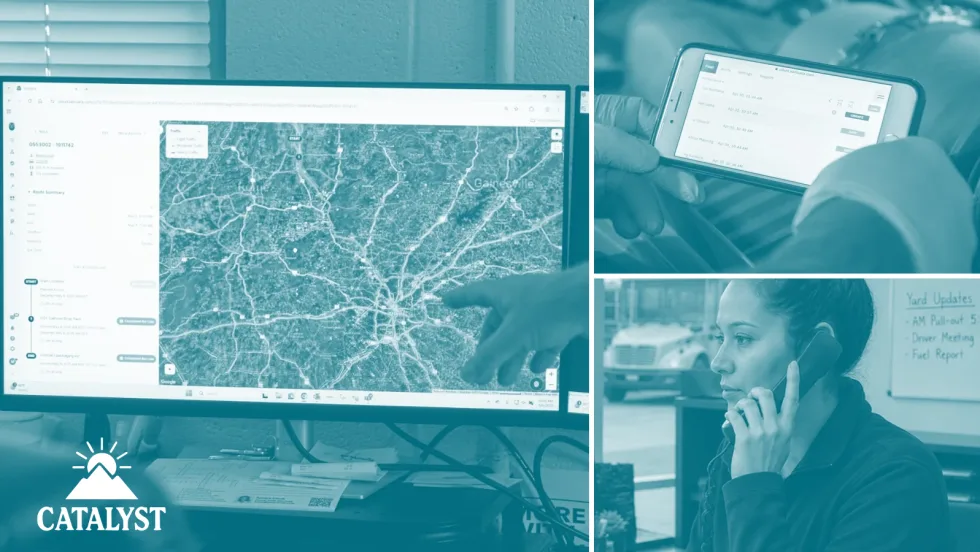
From Reactive to Proactive: Making Every Ride Visible
Smart technology only delivers its full value when it works together. See how Catalyst connects proven industry platforms to move student transportation from reactive to proactive.
Read More →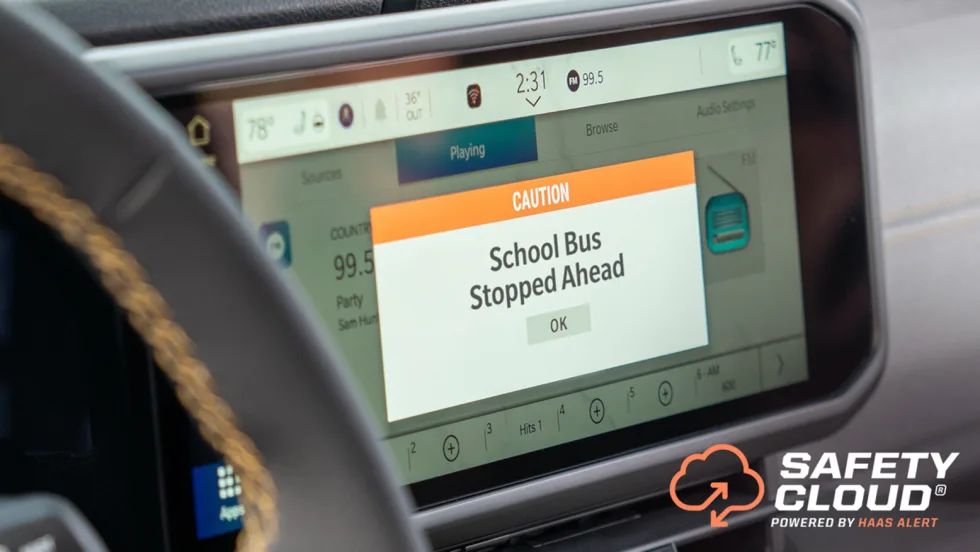
HAAS Alert’s Safety Cloud Warns Motorists of Stopped School Buses
Through a transponder or Samsara connection, the product lets school bus fleets send advance warnings to approaching drivers through in-vehicle alerts.
Read More →
HopSkipDrive Reports Progress on Safety Advisory Council
More than a year after forming the council, independent safety experts have helped shape new rider-safety features and policy progress, with a new goal to address rider behavior.
Read More →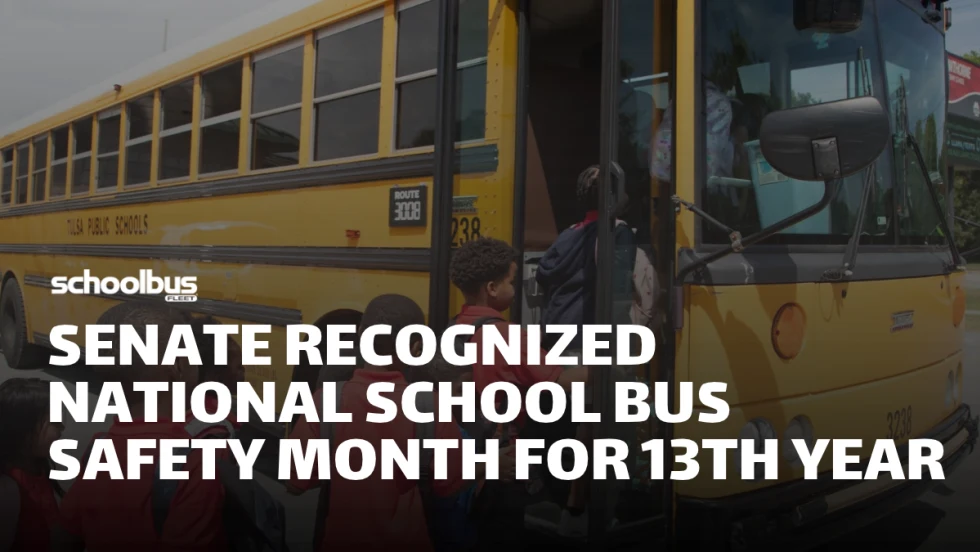
What the 2026 National School Bus Safety Month Resolution Means for Student Transportation
The bipartisan resolution highlights illegal school bus passing, student safety during loading and unloading, and the need for driver training and public education.
Read More →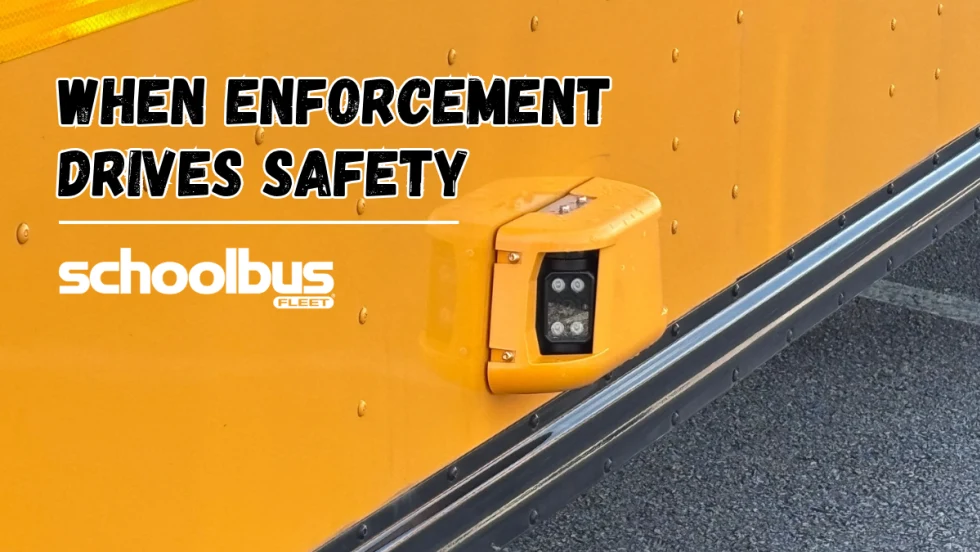
School Bus Stop-Arm Violations Decline 53% Across Verra Mobility Programs
Verra Mobility shares how school bus stop-arm cameras and school zone safety programs are changing driver behavior, reducing violations, and protecting students.
Read More →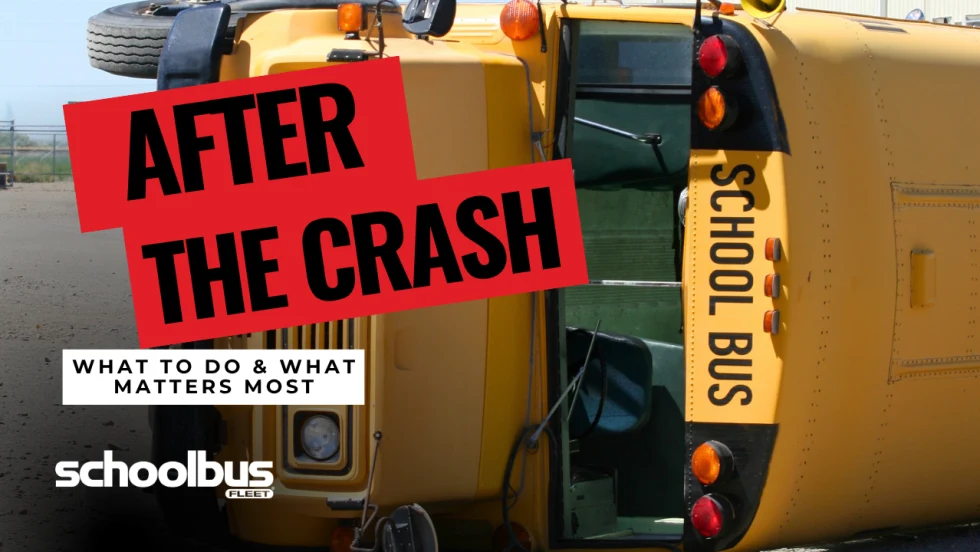
Most Bus Crashes Aren’t Your Fault. Here’s How to Prove It.
A guide for what to do in between a school bus crash and a claim: what to preserve, who to notify, and how to keep the facts available when they matter.
Read More →
National School Bus Safety Week 2026: Tips, Toolkits & Resources to Keep Students Safe
School bus safety takes more than awareness. Explore expert tips, enforcement strategies, and free resources to help protect students on every ride.
Read More →