




Feds order Utah bus company to cease operations
Deseret Bus Service, which primarily transported children, is halted for repeatedly operating unsafe vehicles and for failing to comply with a federal consent order, FMCSA officials say.

WOODS CROSS, Utah — A local bus company that primarily transported children has been halted for repeatedly operating unsafe vehicles and for failing to comply with a 2014 federal consent order, federal officials announced recently.
The Federal Motor Carrier Safety Administration (FMCSA) ordered Deseret Bus Service to cease all intrastate and interstate operations as of July 20.
Deseret had undergone a compliance review by FMCSA investigators in late 2013 that resulted in an unsatisfactory safety rating, prohibiting the company from conducting commercial operations.
In June 2014, following a thorough review by FMCSA of the company’s safety management plan, and upon entering into a federal consent order, Deseret’s safety rating was upgraded to conditional as long as the company implemented its safety management plan and complied with the terms of the order.
The federal consent order detailed the corrective actions the company had taken and outlined the steps it had agreed were necessary to ensure compliance with federal safety regulations. These corrective actions included ensuring that Deseret’s leased and company-owned vehicles were systematically inspected, repaired and maintained.
Deseret Bus Service further agreed to submit quarterly reports to FMCSA’s Utah division and to provide updated lists of drivers, records of duty status summaries, driver vehicle inspections reports, and all annual and roadside/terminal inspections.
Between January and May 2015, Deseret was subject to 15 vehicle inspections. FMCSA officials said that on seven occasions, safety inspectors found “serious violations that posed a risk to public safety and required vehicles to be placed out of service.” Safety violations included defective brakes and brake warning systems, insufficient tire tread, broken leaf springs and exhaust leaks.
In its federal consent order, Deseret had also agreed to immediately terminate any driver who knowingly operated a vehicle that had been placed out of service before it was repaired. According to FMCSA, on multiple occasions, a single driver was found to repeatedly operate a Deseret vehicle that had been placed out of service, but the driver was still employed by the company.
FMCSA’s action places Deseret Bus Service’s operations out of service based on its unsatisfactory safety rating and suspends its USDOT number. Deseret’s federal operating authority registration is revoked.
Operating in violation of an out-of-service order without federal operating authority and a USDOT number can result in civil penalties up to $60,000 for each transportation operation, as well as criminal penalties that can include fines up to $25,000 and imprisonment up to a year.
While Deseret may request an administrative review of FMCSA’s denial of its request for a change in its unsatisfactory safety rating, the prohibition from conducting all commercial passenger transportation operations would remain in place during the period of any review.
More Safety

How to Build a Better School Bus Driver Training Program
Is it time to strengthen your driver training? Here’s how to pick the right talent and improve recruitment, retention, and safety. This video is brought to you by IC Bus.
Read More →
Recent School Bus Accidents Leave 2 Dead, 2 Injured
Four school bus crashes in Florida, Illinois, and Georgia highlight risks in transportation lots, at bus stops, and during student loading and unloading.
Read More →
When Every Second Matters, Clarity Keeps Routes Moving
From routine delays to urgent incidents, strong communication practices help drivers, dispatchers, schools, and families respond with confidence.
Read More →

What Happens When a School Bus Catches Fire — and What Can Help
School bus fires are rare but can be devastating. Learn how advances in fire suppression and asset protection help fleets detect fires earlier, reduce damage, and improve safety.
Read More →
Geotab Launches Tool to Help Fleets Investigate Road Incidents
Geotab Investigations combines telematics data, video, documents, and other evidence to help fleets reconstruct incidents, resolve claims, and determine what happened.
Read More →
Texas Sixth Grader Wins 2026 National School Bus Safety Poster Contest
Sai Darshana Yekolu of Moseley Middle School in Prosper, Texas, was named the newest winner for her artwork, bringing the theme of “Safe Rides, Everyday Heroes” to life.
Read More →
Doing More With Less: How Transportation Directors Can Prioritize Safety Amid Budget Uncertainty
With diesel prices soaring and nearly one-third of transportation directors expecting budget cuts, maintaining student safety has never been more challenging. Download this guide to learn how leading districts are prioritizing risk, funding critical safety technology, and building stronger budget cases with data.
Read More →
Walton County Schools Adds Gatekeeper Stop-Arm Enforcement System
The Florida district will deploy Gatekeeper’s updated Student Protector technology, which now incorporates AI to improve video evidence.
Read More →
How To Build a More Secure School Bus Yard During and After Hours
As thefts and overnight security threats continue, school transportation leaders are combining stronger operational practices with AI-enabled surveillance to better protect buses, facilities, and staff.
Read More →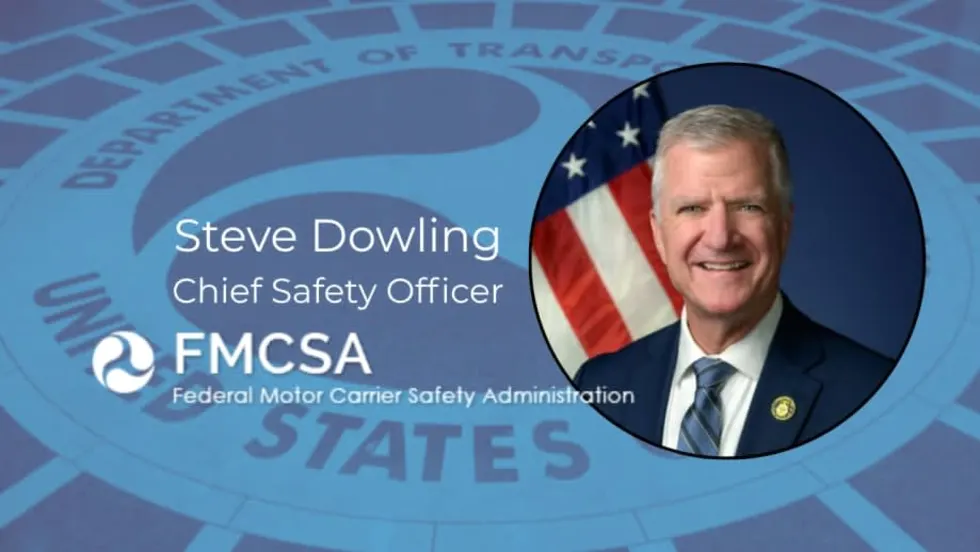
FMCSA Names New Chief Safety Officer: What School Bus Operators Should Know
Steve Dowling is set to lead the federal agency's efforts to advance commercial motor vehicle safety and reduce crashes, fatalities, and injuries on the nation's roadways.
Read More →