




NSTA Recommends Passing STOP Act in Response to NTSB Findings on Indiana Crash
Federal Lawmakers Revive Bill to Examine School Bus Passing Prevention Efforts
Two U.S. Representatives reintroduce the Stop for School Buses Act, which would require a review of laws, practices, and technologies aimed at preventing the illegal passing of stopped school buses.

Nicole Schlosser・Former Executive Editor

Two federal lawmakers reintroduced the Stop for School Buses Act, which would require a review of laws, practices, and technologies aimed at preventing the illegal passing of stopped school buses.
File photo
3 min to read
Two federal lawmakers recently have renewed efforts to pass a bill that would look at ways to prevent illegal school bus passing incidents nationwide.
U.S. Reps. Jackie Walorski (R-Ind.) and Julia Brownley (D-Calif.) reintroduced on March 17 the Stop for School Buses Act (STOP Act) (H.R. 1994), which would require a comprehensive review of laws, practices, and technologies aimed at preventing the illegal passing of stopped school buses, according to a news release from Walorski’s office.
As School Bus Fleet previously reported, the Representatives initially introduced the bill, H.R. 2218, in April 2019, following the tragic Rochester, Indiana, crash that killed three students and severely injured one other when they were struck by a vehicle passing a school bus with its stop arm extended.
The bill directs the U.S. Department of Transportation (U.S. DOT) to conduct a comprehensive review of existing laws and programs in all 50 states, recommend best practices, and create a nationwide public safety campaign.
Under the bill, the U.S. DOT would:
• Compile illegal passing laws in all states, including levels of enforcement and penalties.
• Review existing public safety measures and programs to prevent illegal passing of school buses.
• Issue recommendations on best practices for preventing illegal passing.
• Evaluate the effectiveness of various technologies that may help prevent illegal passing incidents.
• Review driver education materials in all states to determine whether more information about illegal passing should be provided to drivers.
• Research connections between illegal passing of school buses and other safety issues.
• Create and execute a public safety messaging campaign to promote safe driving when children are present and highlight the dangers of illegal passing.
The National School Transportation Association (NSTA) stated in a news release on Wednesday that it applauds reintroduction of the bill and added that last session, the House STOP Act was included as part of the House of Representatives-passed infrastructure bill in June 2020. It received bi-partisan support in the 116th Congress, collecting 64 co-sponsors for H.R.2218, while the companion Senate proposal (S.1254) collected 13 co-sponsors, according to the NSTA.
“NSTA remains hopeful the STOP Act will be included in surface transportation reauthorization/infrastructure bill this year and be enacted into law,” the association stated in the news release.
Additionally, in a letter to members of Congress last week, NSTA Executive Director Curt Macysyn outlined the details of the comprehensive federal program for preventing illegal passing of school buses that the legislation would provide if passed into law.
“Increasingly, schoolchildren are placed in harm’s way by external factors outside of the school bus. In particular, we have seen a dramatic increase in the number of motorists who are illegally passing stopped school buses with lights flashing and stop arms deployed," said John Benish Jr., NSTA's president. "This alarming trend has been verified through various industry surveys, and it requires a comprehensive solution that the STOP Act provides. NSTA looks forward to garnering widespread support for this legislation,”
More Safety
Sponsored•November 1, 2026
From Reactive to Proactive: Making Every Ride Visible
Smart technology only delivers its full value when it works together. See how Catalyst connects proven industry platforms to move student transportation from reactive to proactive.
Read More →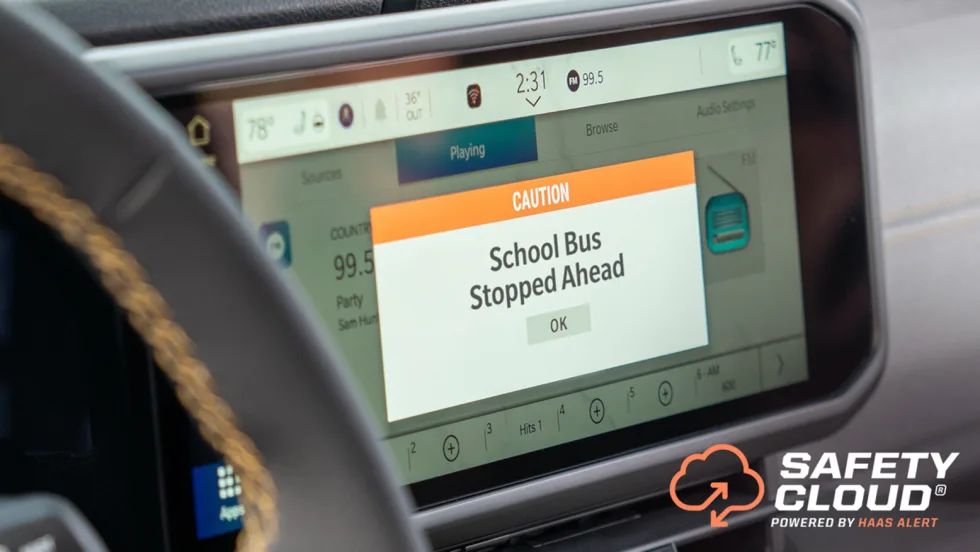
HAAS Alert’s Safety Cloud Warns Motorists of Stopped School Buses
Through a transponder or Samsara connection, the product lets school bus fleets send advance warnings to approaching drivers through in-vehicle alerts.
Read More →
HopSkipDrive Reports Progress on Safety Advisory Council
More than a year after forming the council, independent safety experts have helped shape new rider-safety features and policy progress, with a new goal to address rider behavior.
Read More →
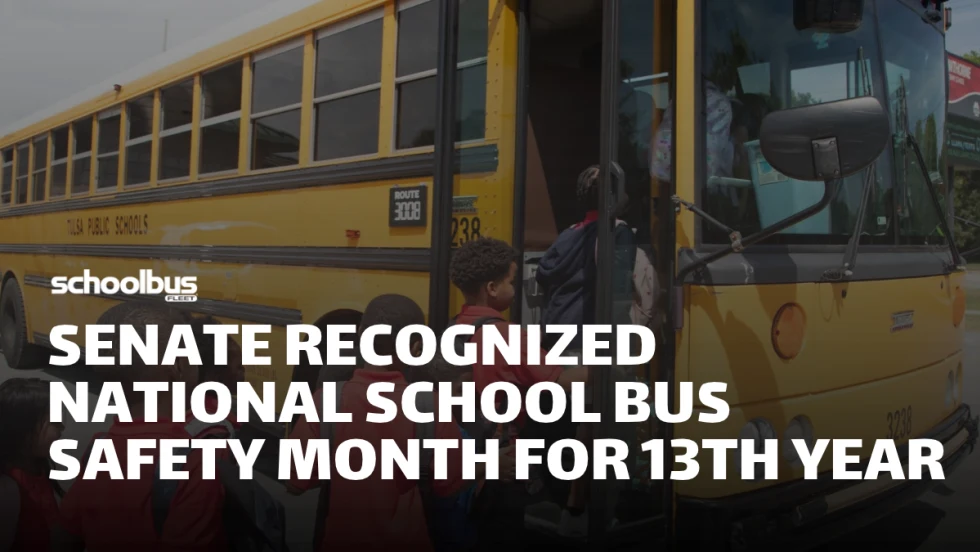
What the 2026 National School Bus Safety Month Resolution Means for Student Transportation
The bipartisan resolution highlights illegal school bus passing, student safety during loading and unloading, and the need for driver training and public education.
Read More →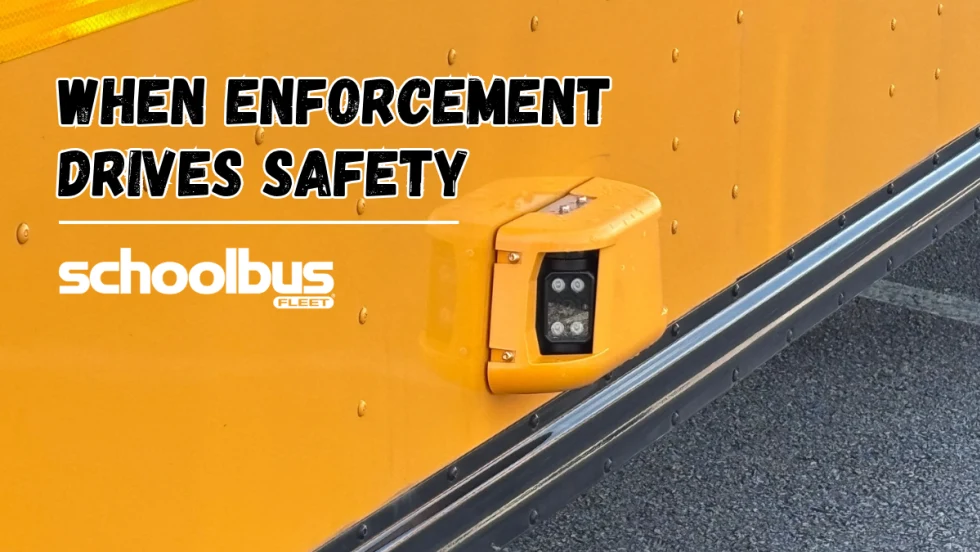
School Bus Stop-Arm Violations Decline 53% Across Verra Mobility Programs
Verra Mobility shares how school bus stop-arm cameras and school zone safety programs are changing driver behavior, reducing violations, and protecting students.
Read More →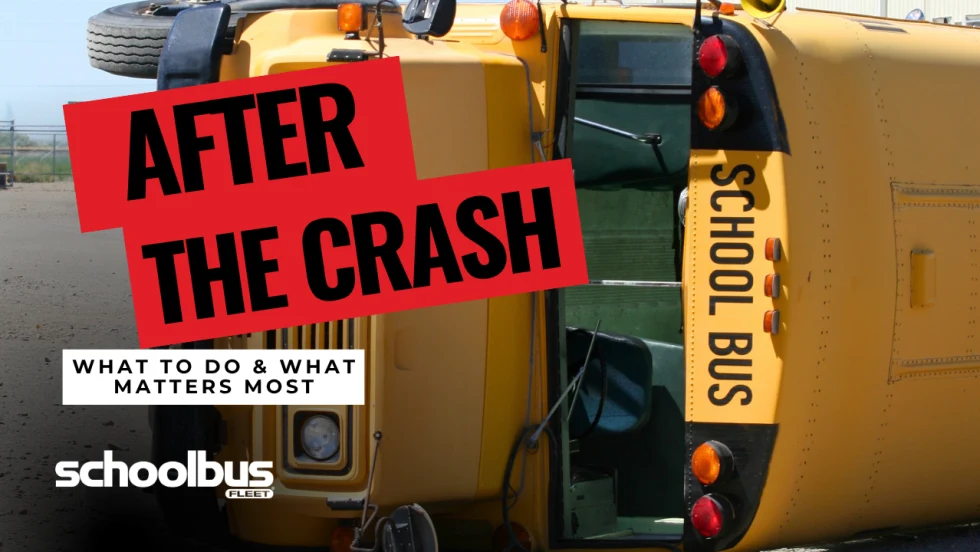
Most Bus Crashes Aren’t Your Fault. Here’s How to Prove It.
A guide for what to do in between a school bus crash and a claim: what to preserve, who to notify, and how to keep the facts available when they matter.
Read More →
National School Bus Safety Week 2026: Tips, Toolkits & Resources to Keep Students Safe
School bus safety takes more than awareness. Explore expert tips, enforcement strategies, and free resources to help protect students on every ride.
Read More →
2 Killed, Dozens Injured in Florida School Bus Crash
A multi-vehicle collision caused a Polk County school bus carrying 37 students to overturn on its way to Winter Haven High School.
Read More →
Illegal School Bus Passing Drops 24% in New York Districts
With fewer than 5% of citations involving repeat offenders, Westchester County officials said enforcement, education, and community partnerships are helping change driver behavior.
Read More →
School's Back. Here's What Happened to Traffic, Speeding & Distraction
What happens to traffic when school resumes? New data analysis examines changes in distracted driving, congestion, and speeding around schools.
Read More →