




Explosive Material Used in Training Left in School Bus
The CIA inadvertently leaves a benign explosive training material in the engine compartment of a Loudoun County (Va.) Public Schools bus, and safely recovers it. No students are harmed.

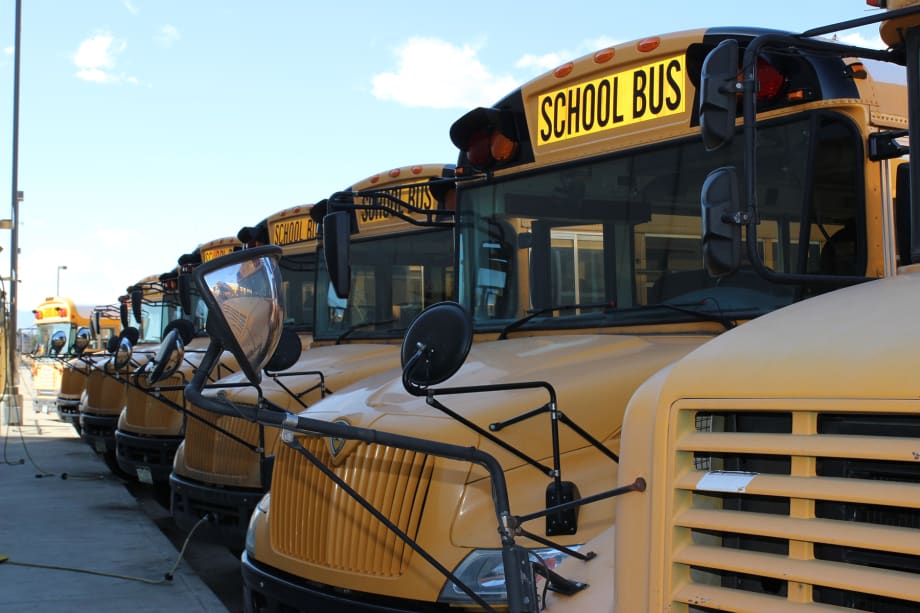
The CIA left a benign explosive training material inside the engine compartment of a Loudoun County (Va.) Public Schools bus (not pictured) during a K-9 training exercise it conducted from March 21 to 24.
The CIA left a benign explosive training material inside the engine compartment of a Loudoun County (Va.) Public Schools bus (not pictured) during a K-9 training exercise it conducted from March 21 to 24.
LOUDOUN COUNTY, Va. — Explosive training material was inadvertently left in a school bus after a training exercise at a local high school, and recovered soon afterward with no threat to any passengers aboard.
The Central Intelligence Agency (CIA) left a benign explosive training material inside the engine compartment of a Loudoun County Public Schools bus at Briar Woods High School during a K-9 training exercise it conducted from March 21 to 24 during the district’s spring break, according to a press release from the Loudoun County Sheriff’s Office.
The Loudoun County Fire Marshal’s Office and the sheriff’s office — with the cooperation of the school district — are participants in the CIA K-9 training, according to a press release from Loudoun County Public Schools.
As part of the exercise, canine explosive detection training was conducted in areas inside and outside of the high school. During the outside portion of the training, the training material was hidden inside an engine compartment of the bus. At some point, a portion of the material from the container appears to have been dislodged from the container and to have fallen into the engine compartment of the bus, and was not recovered following the training.
School district spokesman Wayde Byard described the explosive material to The Washington Post as a “putty-type” material that requires a special detonator and is designed for use on the battlefield.
The bus in which the missing training material was found underwent routine preventive maintenance on Wednesday afternoon, after having been in service on Monday and Tuesday of last week; it made eight runs, carrying 26 students to and from three schools, according to the school district.
The CIA released a statement on Thursday that said it coordinated with local authorities to recover the material after it was notified on Wednesday that the material was found, and has accounted for all the explosive training material used in the K-9 training program.
The CIA and Loudoun County explosive experts said that the training materials used in the exercises are stable, and the students on the bus were not in any danger from the material.
As a precaution, on Wednesday night, all buses that were used or were located near the training exercise at the high school were further searched, and no further traces of the training material were found, according to the sheriff’s office.
In addition to a general announcement to all students, parents and staff, on Wednesday night, the principals of the three affected schools did outreach calls to students of the affected bus.
Officials are continuing review of the incident.
The statement released by the CIA also said that to prevent future such incidents, it has taken immediate steps to strengthen inventory and control procedures in its K-9 program, and will conduct an independent review of its K-9 training program.
More Safety

HopSkipDrive Reports Progress on Safety Advisory Council
More than a year after forming the council, independent safety experts have helped shape new rider-safety features and policy progress, with a new goal to address rider behavior.
Read More →
What the 2026 National School Bus Safety Month Resolution Means for Student Transportation
The bipartisan resolution highlights illegal school bus passing, student safety during loading and unloading, and the need for driver training and public education.
Read More →
School Bus Stop-Arm Violations Decline 53% Across Verra Mobility Programs
Verra Mobility shares how school bus stop-arm cameras and school zone safety programs are changing driver behavior, reducing violations, and protecting students.
Read More →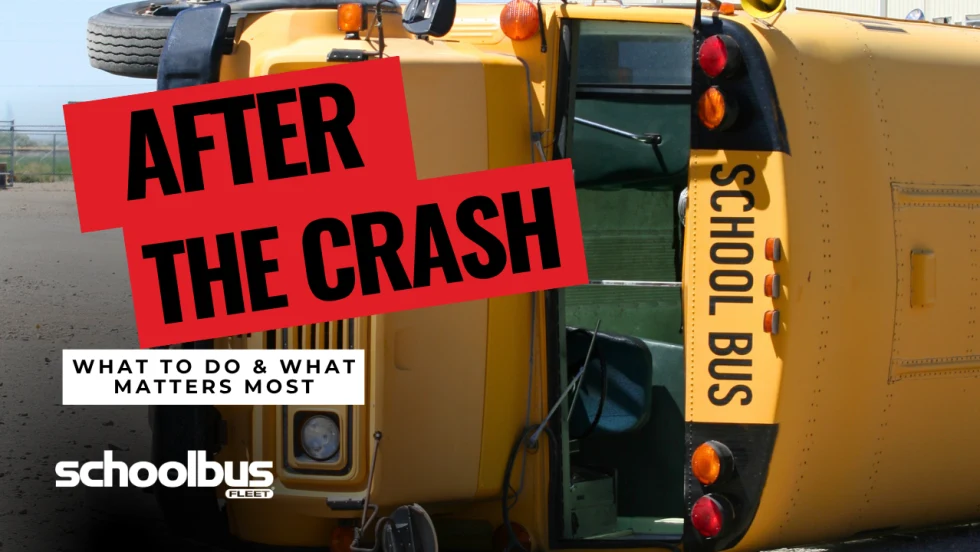
Most Bus Crashes Aren’t Your Fault. Here’s How to Prove It.
A guide for what to do in between a school bus crash and a claim: what to preserve, who to notify, and how to keep the facts available when they matter.
Read More →
National School Bus Safety Week 2026: Tips, Toolkits & Resources to Keep Students Safe
School bus safety takes more than awareness. Explore expert tips, enforcement strategies, and free resources to help protect students on every ride.
Read More →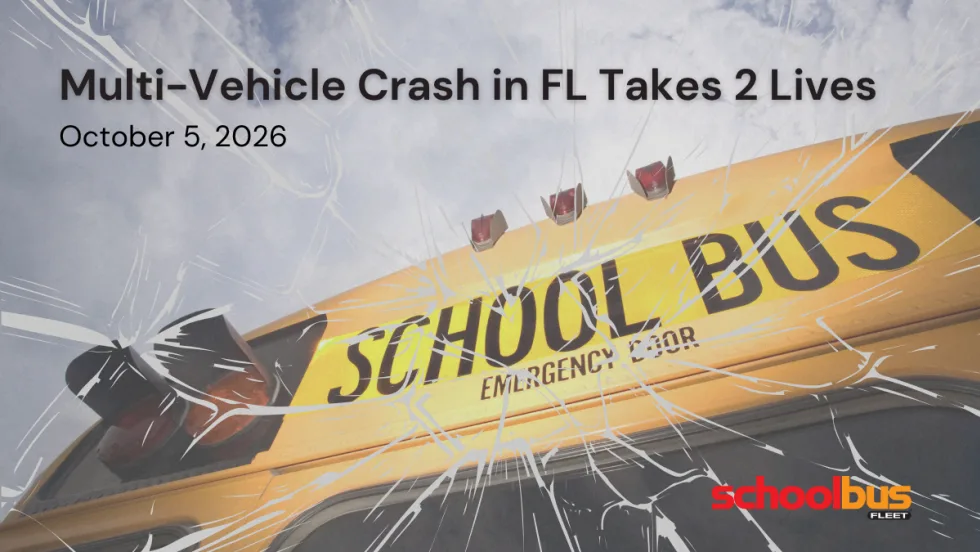
2 Killed, Dozens Injured in Florida School Bus Crash
A multi-vehicle collision caused a Polk County school bus carrying 37 students to overturn on its way to Winter Haven High School.
Read More →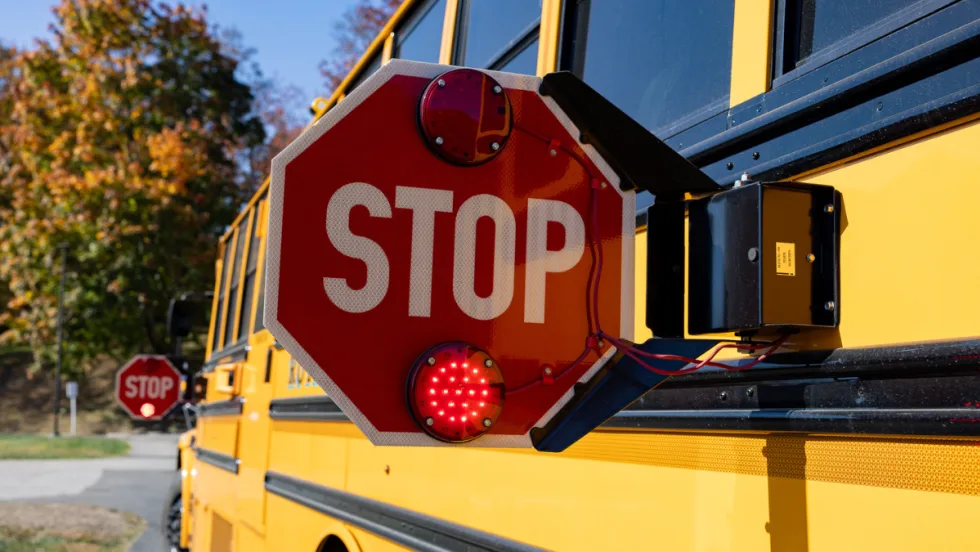
Illegal School Bus Passing Drops 24% in New York Districts
With fewer than 5% of citations involving repeat offenders, Westchester County officials said enforcement, education, and community partnerships are helping change driver behavior.
Read More →
School's Back. Here's What Happened to Traffic, Speeding & Distraction
What happens to traffic when school resumes? New data analysis examines changes in distracted driving, congestion, and speeding around schools.
Read More →
Geotab Expands Fleet Safety Tools With Video Coaching, Risk Insights
New safety and video capabilities aim to help fleet managers assess risk, support drivers, and take targeted action through video coaching, red-light violation detection, and more.
Read More →
How to Build a Better School Bus Driver Training Program
Is it time to strengthen your driver training? Here’s how to pick the right talent and improve recruitment, retention, and safety. This video is brought to you by IC Bus.
Read More →