




EPA honors North Carolina for clean air initiatives
The federal agency selects the North Carolina Department of Public Instruction and the Division of Air Quality in the North Carolina Department of Environment and Natural Resources for a Clean Air Excellence Award in the Transportation Efficiency Innovations category. The program that the EPA recognizes, “Clean School Bus NC: Kids Breathe Here,” is chosen for its impact, innovation and replicability.

The EPA honored the North Carolina Department of Public Instruction (DPI) and the Division of Air Quality (DAQ) in the North Carolina Department of Environment and Natural Resources for 18 years of clean air initiatives.
The program that the EPA recognized, collectively named “Clean School Bus NC: Kids Breathe Here,” was selected for a Clean Air Excellence Award in the Transportation Efficiency Innovations category. The project was chosen for its impact, innovation and replicability.
"Our statewide transportation team keeps over 13,000 buses running safely on a daily basis," said Derek Graham, section chief of transportation services at the North Carolina DPI. "In addition, they have been eager to embrace new technologies, alternative fuels, reduced-idling policies and various clean air education initiatives to help ensure the health of students."
The state DAQ and DPI partnered in an 18-year effort to improve air quality at public schools. The program reached that goal through various technological, policy, outreach and transportation efforts.
The agencies used local, state and federal funds to replace, repower or retrofit 1,891 school buses with exhaust controls. DPI adopted policies and incentives to reduce idling by bus drivers, and DAQ helped with outreach. DAQ, DPI and local school districts secured and provided nearly $3.6 million in grants to support bus retrofit, repower, hybrid and replacement projects.
The initiatives included:
• Clean Air Technologies. DAQ, DPI and school systems collaborated to retrofit, repower or replace aging school buses with cleaner-burning vehicles. Grants totaling $3,596,583 helped pay for retrofitting 1,854 buses with exhaust controls and replacing or repowering 37 buses with cleaner-burning vehicles. These technologies reduced annual bus emissions by 3.4 tons for nitrogen oxides and 9.1 tons for particle pollution, officials said.
• Education/Outreach. DPI educated bus drivers about idle reduction benefits while implementing related policies. DAQ assisted outreach efforts through its “Turn off Your Engine” campaign, including a brochure, instruction, website and signage. The division distributed more than 3,000 “Turn off Your Engine: Kids Breathe Here” signs, installed at more than 1,000 schools in 30 counties. View DPI’s information on idle reduction here.
• Regulatory/Policy Innovations. DPI required local school systems to adopt a reduced idling policy to be eligible for state transportation funds linked to increasing fuel prices. View DPI’s reduced-idling materials here.
• Transportation Efficiency. Efforts to reduce unnecessary idling help conserve fuel while reducing air pollution, and new school buses average 9% to 10% better fuel economy, officials said.
Read the letter from the EPA recognizing the project here.
More Alternative Fuels

CALSTART and Forth Combine to Form Catalyst Mobility
The new name represents a renewed vision for the nonprofit focused on advancing clean, equitable, and affordable transportation solutions that move people and goods.
Read More →
Alt-Fuel Moves: New Buses, Charging Hubs & Real-World EV Testing
Propane and electric school bus deployments continue to grow as districts add new vehicles, expand charging infrastructure, and gather more real-world operating data.
Read More →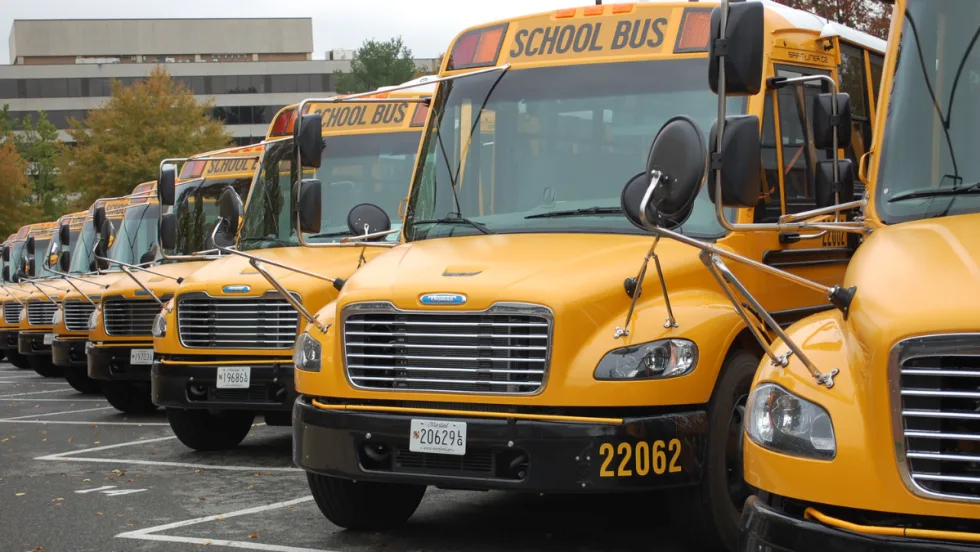
Fewer Electric School Bus Models Reshape the U.S. Market
WRI’s latest buyer’s guide points to a consolidating electric school bus market, but fewer options may reflect a maturing industry rather than fewer meaningful choices for school bus operators.
Read More →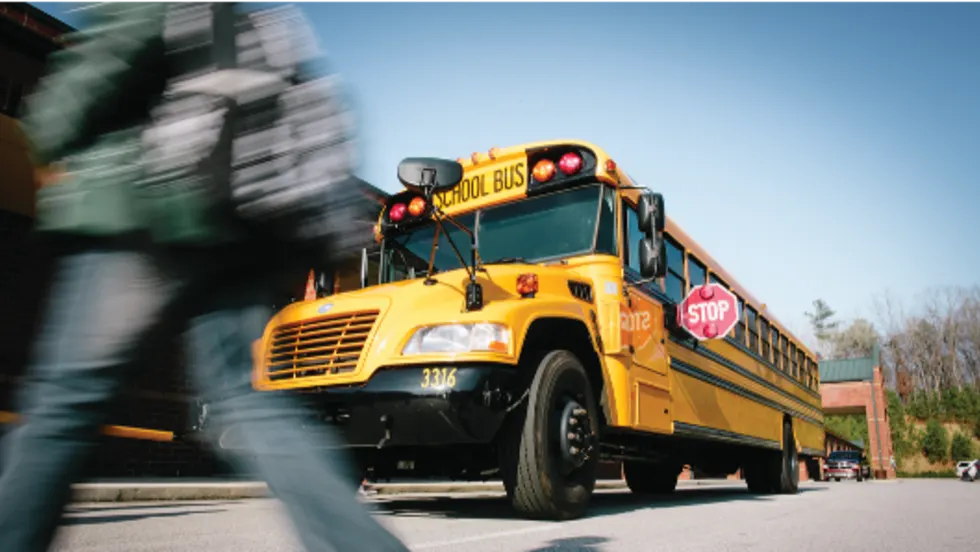
The Fuel Budget You Can Actually Predict: How Propane Autogas Keeps Money in the Classroom
Learn how propane autogas helps school districts manage fuel costs with predictable pricing, lower maintenance, and reduced emissions from former transportation director Joel Stutheit.
Read More →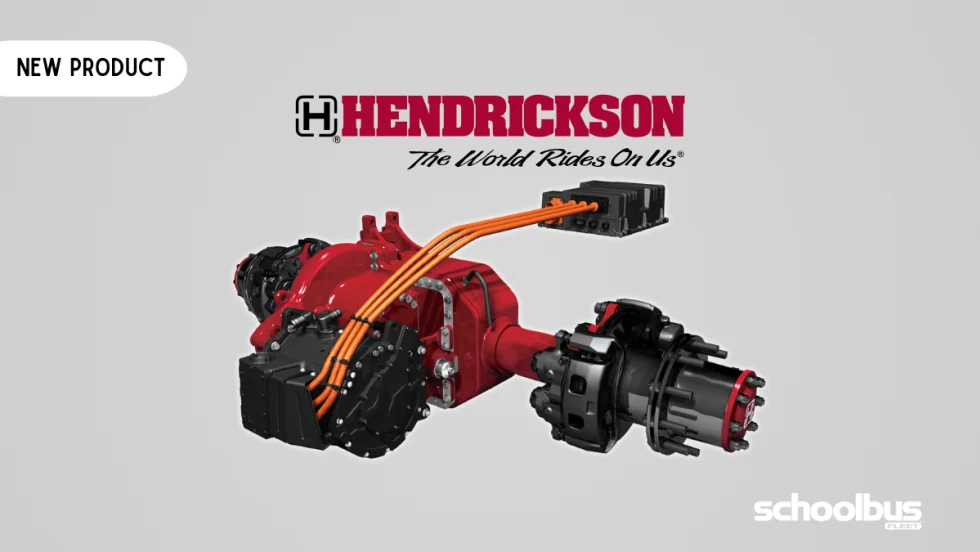
Hendrickson, Driventic Introduce New Electric Powertrain for School Buses
ELECTRAAX, the electrified, lightweight drive axle offers integrated ePowertrain efficiency and modular flexibility for Class 6–7 school bus use.
Read More →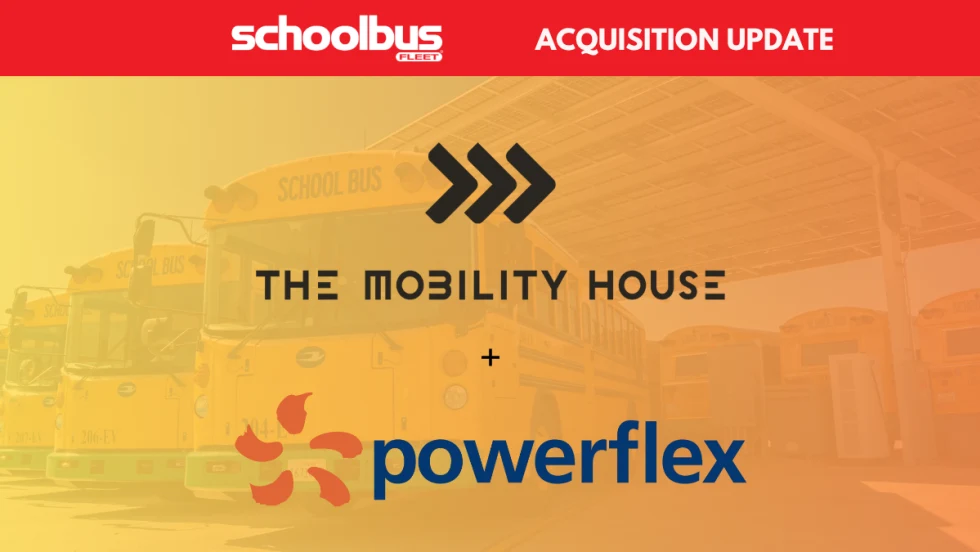
The Mobility House Joins PowerFlex in Fleet Electrification Deal
The acquisition combines intelligent charging software, bidirectional charging expertise, and fleet electrification services to support the growing adoption of electric school buses across North America.
Read More →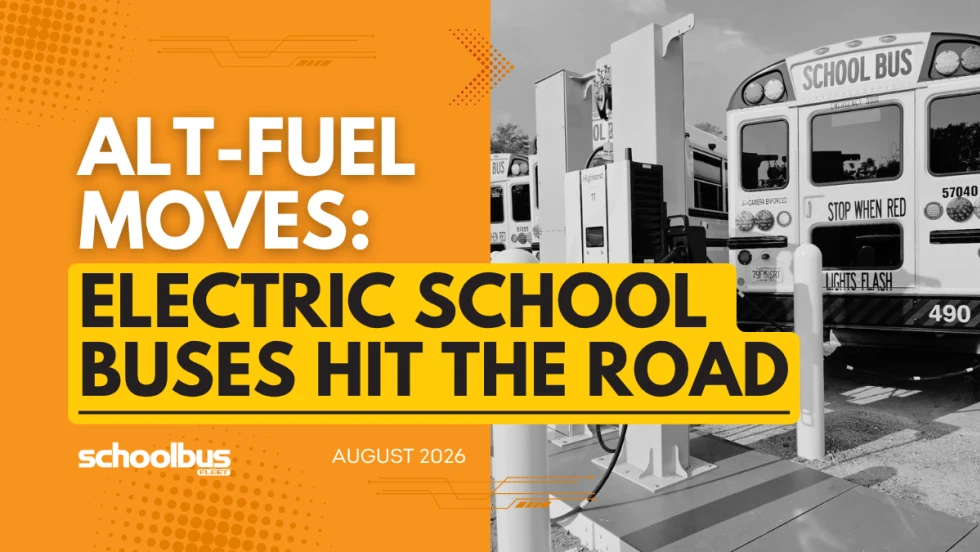
Alt-Fuel Moves: Electric School Bus Investments Hit the Road
See which districts across the U.S. are putting electric school buses into service, expanding charging infrastructure, and planning the next phase of fleet electrification.
Read More →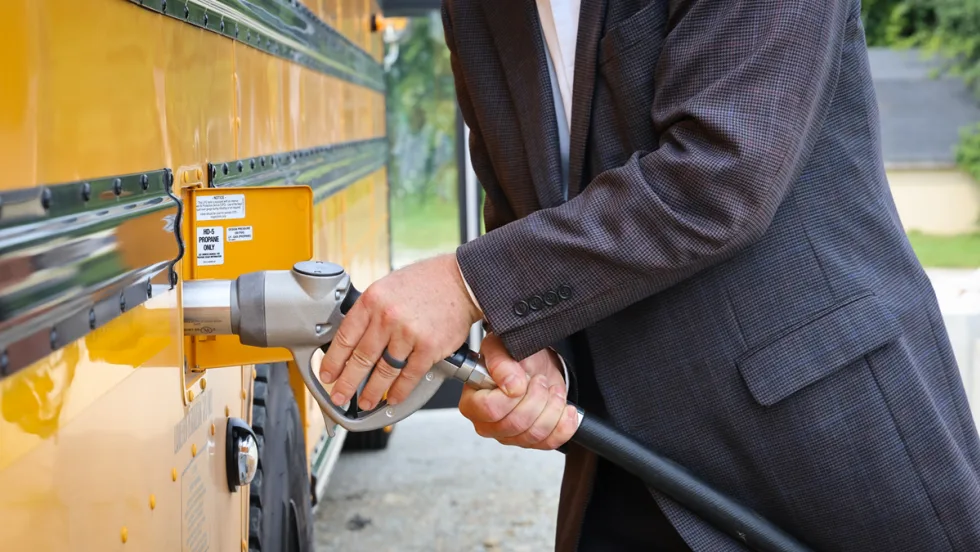
With Fuel Volatility Ahead, School Districts Turn to Propane
While diesel prices peaked above $5 this spring, districts with propane autogas-powered fleets paid under $2 per gallon, according to PERC.
Read More →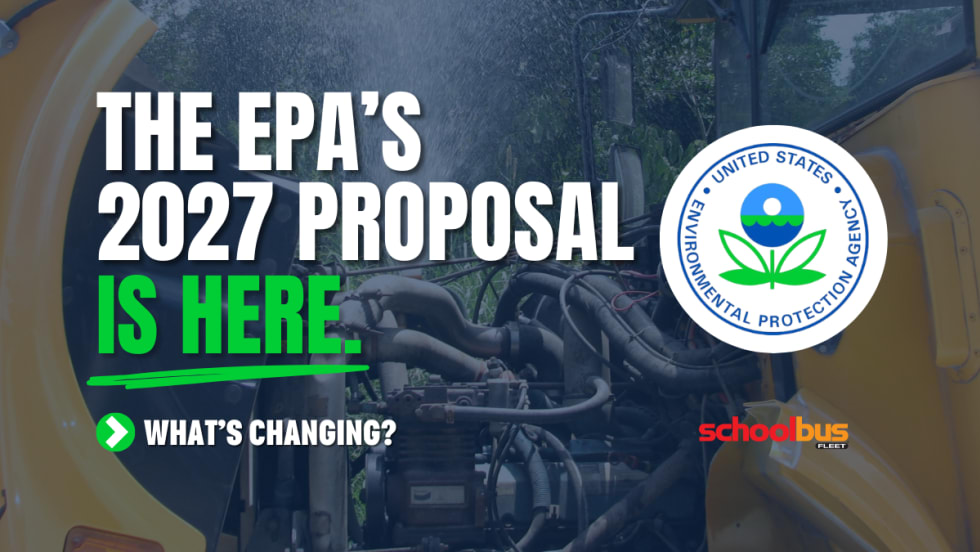
EPA Unveils Proposed Changes to 2027 Heavy-Duty Engine Rules
The federal agency has proposed changes to next year’s targets that would eliminate DEF derates, ease warranty requirements, and retain current NOx emissions standards.
Read More →
Alt-Fuel Moves: EV Charging & Infrastructure Projects Gain Momentum
The latest developments include new funding, charging infrastructure, utility investments, and fleet technologies designed to support the transition to electric school buses nationwide.
Read More →