




Enhancing vision in the danger zone
As a school bus driver, Gloria Buley sought a way to enhance the safety of children outside of the bus. What she came up with is a device that serves as an additional mirror and a stop arm. She explains the invention in an interview with SBF.

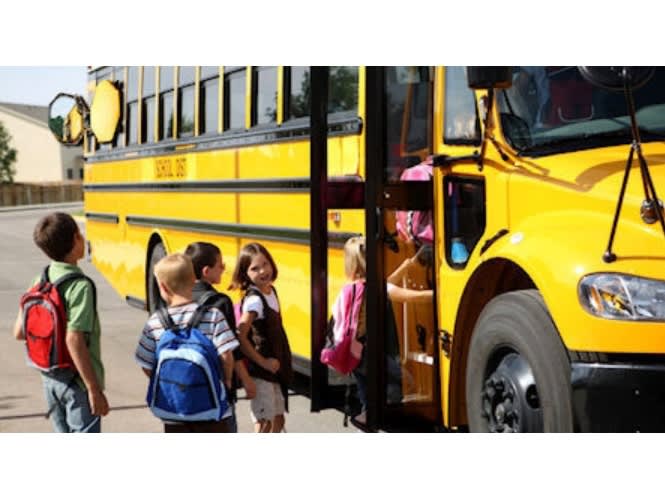
A new device (upper left) serves as an additional mirror on one side, providing an enhanced view of the danger zone. On the back of the mirror is a stop arm, deterring motorists from passing the bus on the right.
SHOKAN, N.Y. — As a school bus driver, Gloria Buley was well aware of the danger zone around her vehicle and its potential for tragedy.
In a training session on the topic of school bus loading and unloading fatalities, an instructor told of an incident in which a child placed a milk carton underneath a bus to see it explode. With her own son being in first grade at the time, the message hit home for Buley.
"I knew my son was capable of doing something like that. It would crush my world to be without that kid," Buley recalled in an interview with SBF. "I said, 'There’s got to be a way I can view that zone as a driver and save the life of a child."
What she came up with is a device that serves dual purposes. On one side, it's an additional mirror that provides an enhanced view of the danger zone. On the back side of the mirror is a stop arm, deterring motorists from passing the bus on the right, where the device is mounted.
The unit, called the Woodstock Safety Mirror, works in conjunction with a school bus' current red warning lights and stop arm. When the bus door opens, the mirror device folds out. The driver sees it via the regular side mirror.
Buley said that the Woodstock Safety Mirror allows the driver to see a 15-foot area on the side of the bus.
The unit mounts on the bars in between windows near the back of the bus. It has a quick-release system so it can be popped off in an emergency.
Buley said that the Woodstock Safety Mirror has undergone extensive testing and development since she began working on it in 1999, the year she became a school bus driver. (She is still a New York state-certified 19-A examiner and driver trainer.)
Buley said that she first had to get approval from the National Highway Traffic Safety Administration for the device. Then she obtained New York state approvals, and a pilot study was conducted.
The unit was used on 20 school buses in 10 school districts across the state, on city and rural roads and in various weather conditions.
"We took the drivers' reports and changed it to the unit we have now," Buley said. Among the modifications were making the unit and its motor smaller. It now weighs a total of 36 pounds.
Buley demonstrated an older version of the device at the National Association for Pupil Transportation’s 2003 trade show, where she said she got many favorable responses.
The Woodstock Safety Mirror is slated to be launched for sale on April 15. The initial price is $995, but Buley notes that “the more we make, the more it will come down.”
For more information, go to www.woodstocksafetymirror.com.
More Safety
School's Back. Here's What Happened to Traffic, Speeding & Distraction
What happens to traffic when school resumes? New data analysis examines changes in distracted driving, congestion, and speeding around schools.
Read More →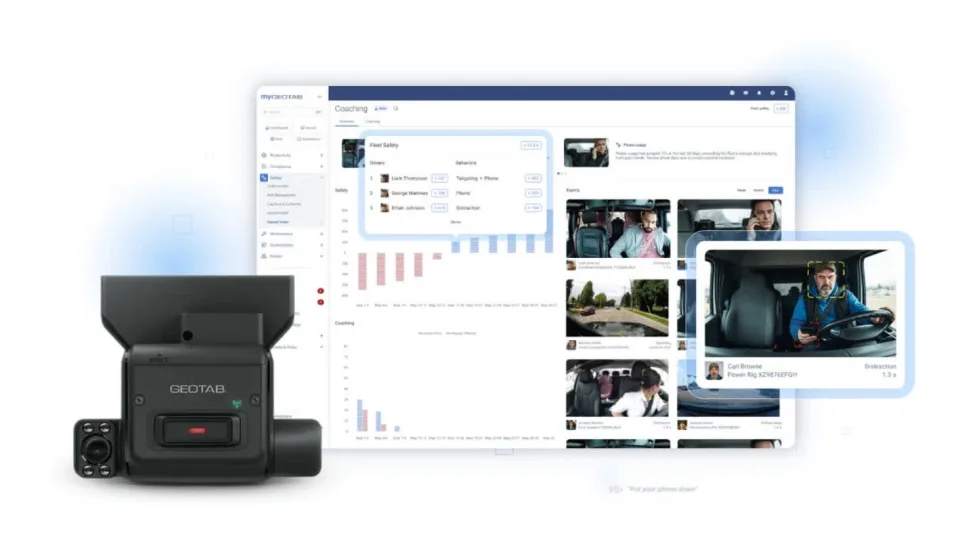
Geotab Expands Fleet Safety Tools With Video Coaching, Risk Insights
New safety and video capabilities aim to help fleet managers assess risk, support drivers, and take targeted action through video coaching, red-light violation detection, and more.
Read More →
How to Build a Better School Bus Driver Training Program
Is it time to strengthen your driver training? Here’s how to pick the right talent and improve recruitment, retention, and safety. This video is brought to you by IC Bus.
Read More →

Recent School Bus Accidents Leave 2 Dead, 2 Injured
Four school bus crashes in Florida, Illinois, and Georgia highlight risks in transportation lots, at bus stops, and during student loading and unloading.
Read More →
When Every Second Matters, Clarity Keeps Routes Moving
From routine delays to urgent incidents, strong communication practices help drivers, dispatchers, schools, and families respond with confidence.
Read More →
What Happens When a School Bus Catches Fire — and What Can Help
School bus fires are rare but can be devastating. Learn how advances in fire suppression and asset protection help fleets detect fires earlier, reduce damage, and improve safety.
Read More →
Geotab Launches Tool to Help Fleets Investigate Road Incidents
Geotab Investigations combines telematics data, video, documents, and other evidence to help fleets reconstruct incidents, resolve claims, and determine what happened.
Read More →
Texas Sixth Grader Wins 2026 National School Bus Safety Poster Contest
Sai Darshana Yekolu of Moseley Middle School in Prosper, Texas, was named the newest winner for her artwork, bringing the theme of “Safe Rides, Everyday Heroes” to life.
Read More →
Doing More With Less: How Transportation Directors Can Prioritize Safety Amid Budget Uncertainty
With diesel prices soaring and nearly one-third of transportation directors expecting budget cuts, maintaining student safety has never been more challenging. Download this guide to learn how leading districts are prioritizing risk, funding critical safety technology, and building stronger budget cases with data.
Read More →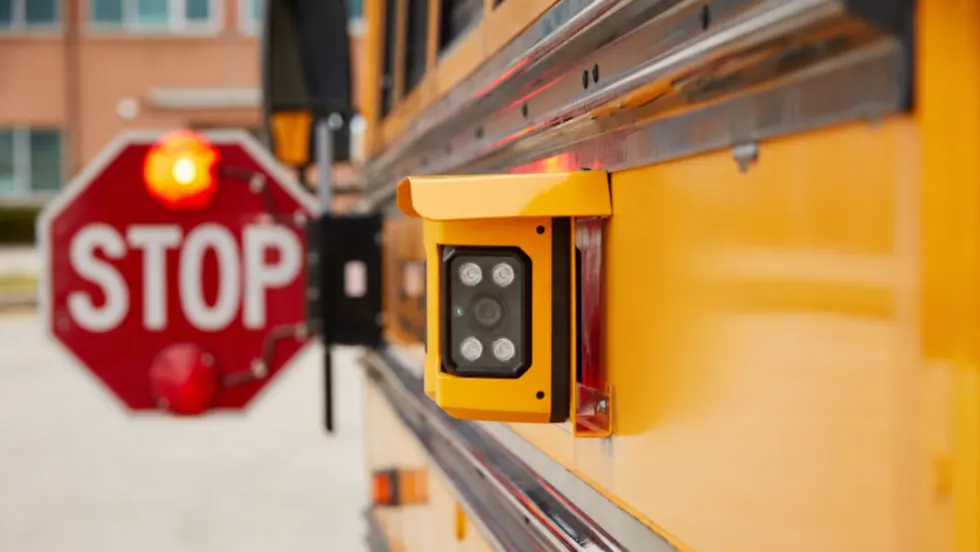
Walton County Schools Adds Gatekeeper Stop-Arm Enforcement System
The Florida district will deploy Gatekeeper’s updated Student Protector technology, which now incorporates AI to improve video evidence.
Read More →