




Employers Urged to Promote Sleep Health in the Workplace
A new campaign from the National Healthy Sleep Awareness Project aims to help workers avoid fatigue and develop healthy sleep habits.

A new campaign called “Sleep Works for You” encourages employers to help workers avoid fatigue and develop healthy sleep habits for long-term success and well-being.
The campaign is an effort of the National Healthy Sleep Awareness Project, which includes partners the American Academy of Sleep Medicine, the Centers for Disease Control and Prevention (CDC), the Sleep Research Society, and the National Safety Council.
“Working long hours and sleeping less than the recommended seven or more hours has become a badge of honor in many industries, despite evidence that proves a lack of sleep hurts productivity, safety, and overall health,” said Dr. Ilene Rosen, president of the American Academy of Sleep Medicine. “It is essential for employers to promote health and safety by creating a workplace culture that values the importance of sleep.”
The National Healthy Sleep Awareness Project is encouraging employers to promote sleep health in the workplace with three steps:
1. Learn about sleepiness in the workplace, its costs, its causes, and how fatigue can lead to a higher rate of safety incidents.
2. Educate employees on fatigue, sleep health, and sleep disorders, as well as strategies to improve alertness on the job, as part of a comprehensive employee wellness program.
3. Investigate the causes of fatigue in the workplace and implement fatigue risk management as part of a safety management system.
“Nearly 70 million Americans suffer from a sleep problem, and nearly 60% of them have a chronic disease that can harm their overall health,” said Janet Croft, senior chronic disease epidemiologist in CDC’s Division of Population Health. “Lack of sleep and sleep disorders, including stops in breathing during sleep (sleep apnea), excessive daytime sleepiness (narcolepsy), restless legs syndrome, and insomnia, are increasingly recognized as linked to chronic disease, including obesity, high blood pressure, and cancer.”
According to the National Safety Council, fatigued workers cost employers about $1,200 to $3,100 per employee in declining job performance each year.
The AAA Foundation for Traffic Safety recently released a research brief estimating that drowsy driving is involved in up to 9.5% of all motor vehicle crashes.
For more information, go to www.projecthealthysleep.org.
More Safety

How to Build a Better School Bus Driver Training Program
Is it time to strengthen your driver training? Here’s how to pick the right talent and improve recruitment, retention, and safety. This video is brought to you by IC Bus.
Read More →
Recent School Bus Accidents Leave 2 Dead, 2 Injured
Four school bus crashes in Florida, Illinois, and Georgia highlight risks in transportation lots, at bus stops, and during student loading and unloading.
Read More →
When Every Second Matters, Clarity Keeps Routes Moving
From routine delays to urgent incidents, strong communication practices help drivers, dispatchers, schools, and families respond with confidence.
Read More →

What Happens When a School Bus Catches Fire — and What Can Help
School bus fires are rare but can be devastating. Learn how advances in fire suppression and asset protection help fleets detect fires earlier, reduce damage, and improve safety.
Read More →
Geotab Launches Tool to Help Fleets Investigate Road Incidents
Geotab Investigations combines telematics data, video, documents, and other evidence to help fleets reconstruct incidents, resolve claims, and determine what happened.
Read More →
Texas Sixth Grader Wins 2026 National School Bus Safety Poster Contest
Sai Darshana Yekolu of Moseley Middle School in Prosper, Texas, was named the newest winner for her artwork, bringing the theme of “Safe Rides, Everyday Heroes” to life.
Read More →
Doing More With Less: How Transportation Directors Can Prioritize Safety Amid Budget Uncertainty
With diesel prices soaring and nearly one-third of transportation directors expecting budget cuts, maintaining student safety has never been more challenging. Download this guide to learn how leading districts are prioritizing risk, funding critical safety technology, and building stronger budget cases with data.
Read More →
Walton County Schools Adds Gatekeeper Stop-Arm Enforcement System
The Florida district will deploy Gatekeeper’s updated Student Protector technology, which now incorporates AI to improve video evidence.
Read More →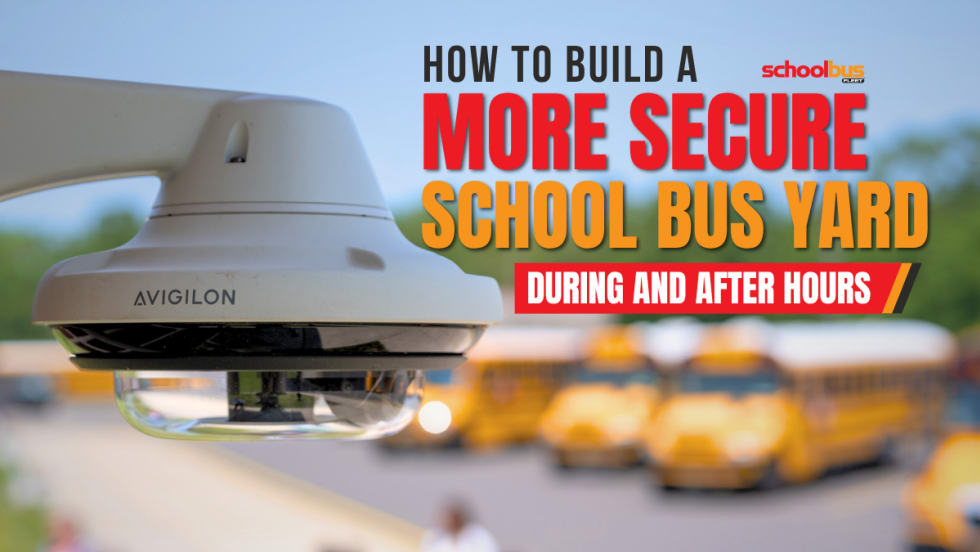
How To Build a More Secure School Bus Yard During and After Hours
As thefts and overnight security threats continue, school transportation leaders are combining stronger operational practices with AI-enabled surveillance to better protect buses, facilities, and staff.
Read More →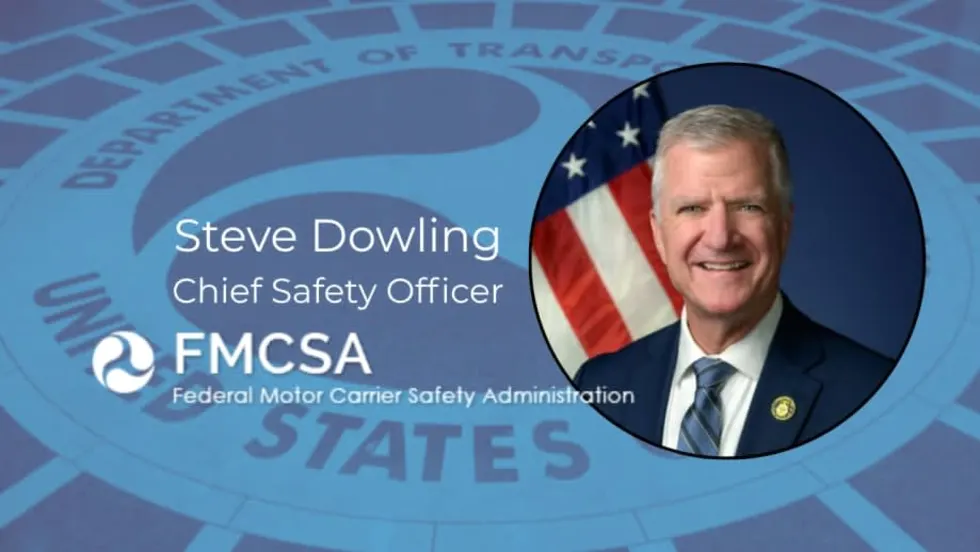
FMCSA Names New Chief Safety Officer: What School Bus Operators Should Know
Steve Dowling is set to lead the federal agency's efforts to advance commercial motor vehicle safety and reduce crashes, fatalities, and injuries on the nation's roadways.
Read More →