




District sees lower costs, emissions with propane buses
A case study on Washingtonville (N.Y.) Central School District’s usage of Blue Bird buses equipped with ROUSH CleanTech propane autogas fuel systems finds that the district spent about 30% less on maintenance for the autogas portion of its fleet and will eliminate about 120,000 lbs. of carbon dioxide per bus during the lifetime of the vehicles.

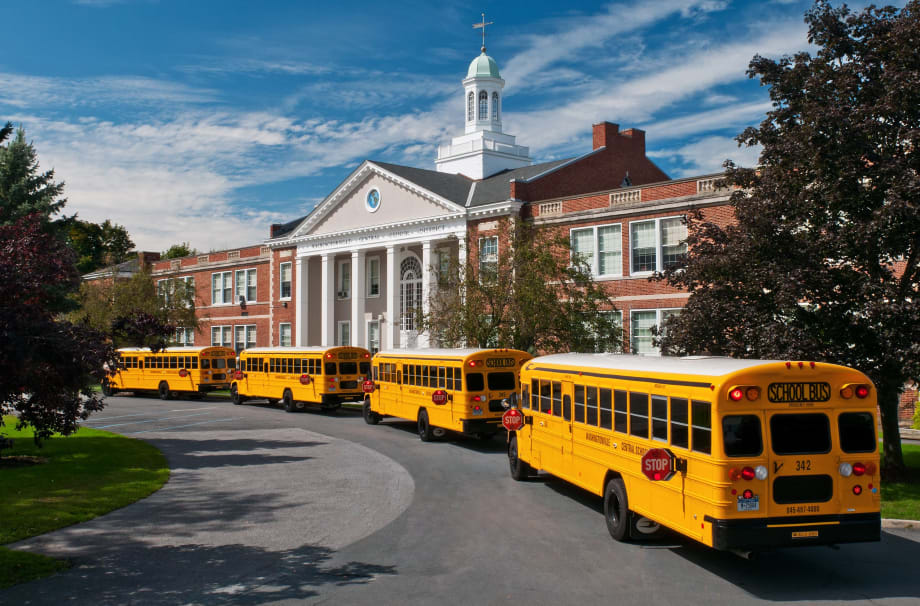
Washingtonville Central School District saves 40% per gallon on fuel costs and 30% on routine maintenance costs compared to diesel, according to a recent case study.
Blue Bird and ROUSH CleanTech’s recent case study on New York’s Washingtonville Central School District’s usage of Blue Bird buses equipped with ROUSH CleanTech propane autogas fuel systems finds that the district spent about 30% less on maintenance for the autogas portion of its fleet and will eliminate about 120,000 lbs. of carbon dioxide per bus from its carbon footprint during the lifetime of the vehicles.
The district transports more than 5,000 students to 28 Orange County area schools, according to the case study. Of its 89-bus fleet, 18 buses are fueled by propane autogas. The buses travel an average of 450 miles per week, or 18,000 miles per school year, and during the summer, the district transports students to camps and on day trips.
Washingtonville was able to accomplish its goal of recouping the 9% higher cost of the autogas buses, compared with the same diesel model, through immediate savings on fuel and routine maintenance expenses, the case study reports. On average, the school district spends 40% to 45% less per gallon for autogas than diesel. Currently, it pays $1.70 for autogas and $3.18 for diesel. The district completes routine maintenance, such as oil and filter changes, every 7,500 miles on their autogas buses, compared to every 5,500 miles for their diesel buses. Each service costs, on average, 5 cents per mile for autogas and 13 cents per mile for diesel.
The study also reports that Washingtonville was the first district in the county to purchase buses fueled by autogas. Additionally, the district has ordered nine more autogas school buses for the 2014-15 school year, according to the case study.
To read full case study, click here.
More Alternative Fuels
Alt-Fuel Moves: Electric Bus Rollouts, Bidirectional Charging & Propane Growth
See which fleets are adding electric and propane school buses as districts and operators invest in charging infrastructure, bidirectional technology, and alternative-fuel expansion.
Read More →
Nobody Told Diesel Prices They Were Supposed to Come Down
With diesel prices surging, school bus fleets have new reason to stress-test fuel costs, consider diversification, and calculate what each route really costs to operate.
Read More →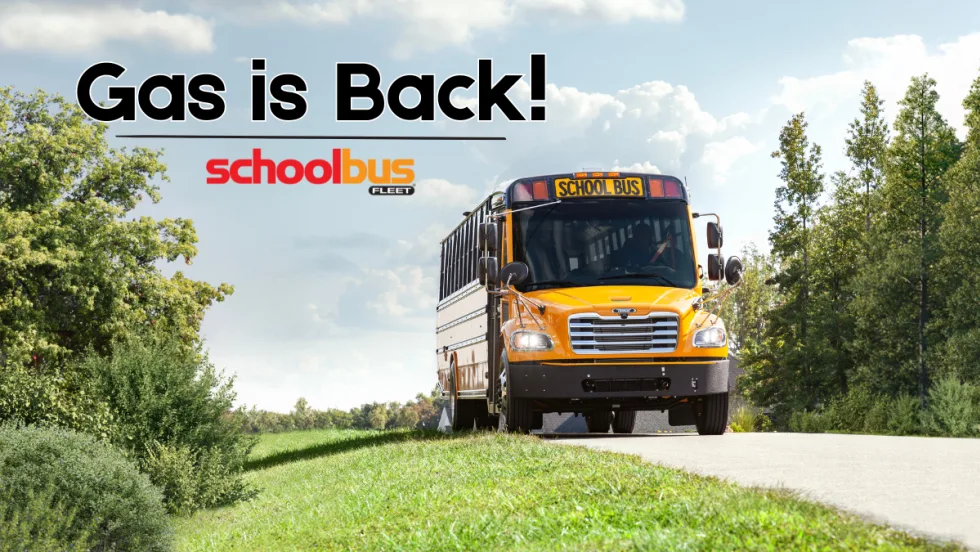
Why Gasoline School Buses Are Making a Comeback
Gasoline is gaining ground in full-size school buses. See how today’s options stack up against diesel on cost, maintenance, emissions, performance, and more.
Read More →
EPA Opens $180M DERA Funding Round for Diesel Upgrades
The 2026 Diesel Emissions Reduction Act program seeks applications from eligible organizations to accelerate the retirement of legacy diesel vehicles.
Read More →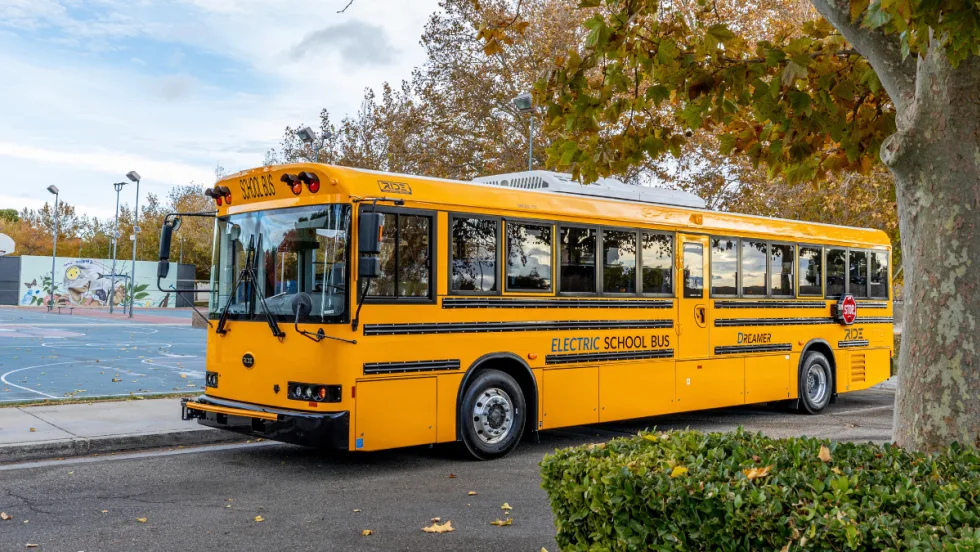
The Secret Life of an Electric School Bus Battery
Batteries change throughout years of daily routes, but degradation doesn’t necessarily mean the end. Here’s what operators should know about performance, safety, and second life.
Read More →
CALSTART and Forth Combine to Form Catalyst Mobility
The new name represents a renewed vision for the nonprofit focused on advancing clean, equitable, and affordable transportation solutions that move people and goods.
Read More →
Alt-Fuel Moves: New Buses, Charging Hubs & Real-World EV Testing
Propane and electric school bus deployments continue to grow as districts add new vehicles, expand charging infrastructure, and gather more real-world operating data.
Read More →
Fewer Electric School Bus Models Reshape the U.S. Market
WRI’s latest buyer’s guide points to a consolidating electric school bus market, but fewer options may reflect a maturing industry rather than fewer meaningful choices for school bus operators.
Read More →
The Fuel Budget You Can Actually Predict: How Propane Autogas Keeps Money in the Classroom
Learn how propane autogas helps school districts manage fuel costs with predictable pricing, lower maintenance, and reduced emissions from former transportation director Joel Stutheit.
Read More →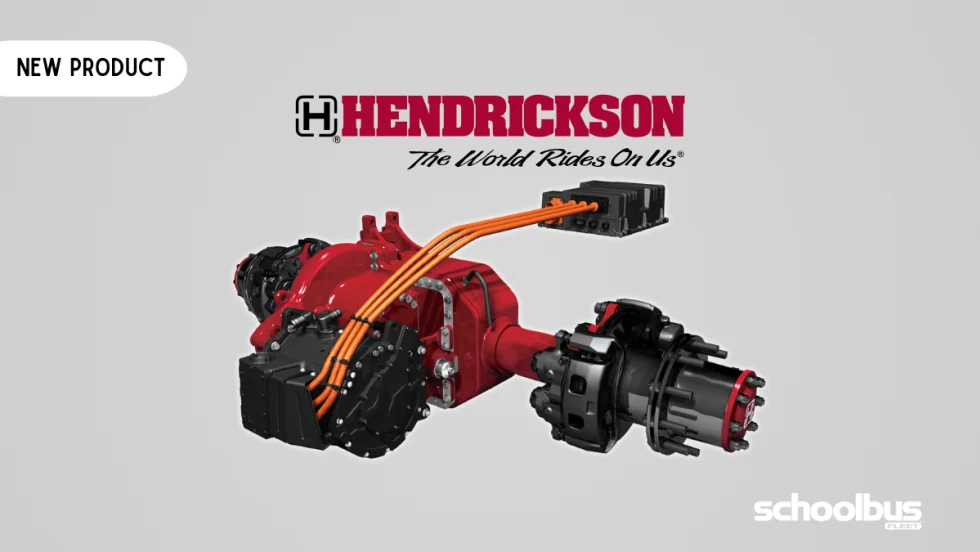
Hendrickson, Driventic Introduce New Electric Powertrain for School Buses
ELECTRAAX, the electrified, lightweight drive axle offers integrated ePowertrain efficiency and modular flexibility for Class 6–7 school bus use.
Read More →