




Distracted drivers a factor in vehicle-train crashes
WASHINGTON, D.C. — Federal statistics show that inattentive drivers contribute to approximately 3 percent of all vehicle-train crashes at highway-rail grade crossings.

WASHINGTON, D.C. — Federal statistics show that inattentive drivers contribute to approximately 3 percent of all vehicle-train crashes at highway-rail grade crossings, according to Operation Lifesaver Inc (OLI).
The nonprofit railroad safety education organization also reported that 20 percent of grade crossing collisions involve motor vehicles striking trains at a crossing.
These statistics are relevant as U.S. Transportation Secretary Ray LaHood convenes a Distracted Driving Summit here Wednesday and Thursday.
“Distracted driving can lead to serious consequences at highway-rail grade crossings,” OLI President Helen M. Sramek said. “In addition to the tragic deaths and injuries caused by car-train collisions, these events also are costly for communities. Emergency responders and roadways can be tied up for hours, keeping responders from other community emergencies and drivers from their jobs and homes.”
OLI reported that a total of 2,397 highway-rail grade crossing collisions occurred last year, resulting in 286 deaths and more than 900 injuries.
Moreover, Federal Railroad Administration (FRA) statistics show that in 78 of these collisions, the cause was “highway user inattentiveness,” resulting in 14 deaths and 117 injuries. Through the first six months of 2009, there were 34 highway-rail grade crossing incidents caused by highway user inattentiveness, resulting in six deaths and 52 injuries.
Other FRA statistics show that in 488 of last year’s grade crossing collisions, the vehicle ran into a train already present at the crossing. Of those crashes, more than 60 percent were at crossings that were equipped with gates or flashing lights, while just over 33 percent occurred at crossings with stop signs or cross buck warning signs.
“Although these collisions may have other causes, text-messaging or other distractions may be contributing factors,” Sramek said. “In one incident reported by a major railroad, the motorist stopped on the track to answer the phone; another railroad notes that in more than 41 percent of the incidents where a vehicle hit a train, the vehicle did not stop.”
More Safety
Illegal School Bus Passing Drops 24% in New York Districts
With fewer than 5% of citations involving repeat offenders, Westchester County officials said enforcement, education, and community partnerships are helping change driver behavior.
Read More →
School's Back. Here's What Happened to Traffic, Speeding & Distraction
What happens to traffic when school resumes? New data analysis examines changes in distracted driving, congestion, and speeding around schools.
Read More →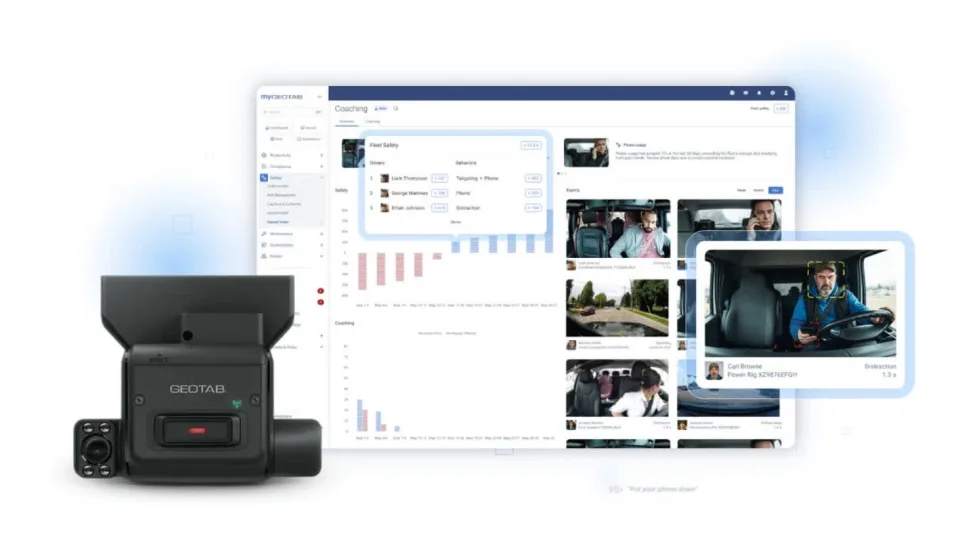
Geotab Expands Fleet Safety Tools With Video Coaching, Risk Insights
New safety and video capabilities aim to help fleet managers assess risk, support drivers, and take targeted action through video coaching, red-light violation detection, and more.
Read More →
How to Build a Better School Bus Driver Training Program
Is it time to strengthen your driver training? Here’s how to pick the right talent and improve recruitment, retention, and safety. This video is brought to you by IC Bus.
Read More →
Recent School Bus Accidents Leave 2 Dead, 2 Injured
Four school bus crashes in Florida, Illinois, and Georgia highlight risks in transportation lots, at bus stops, and during student loading and unloading.
Read More →
When Every Second Matters, Clarity Keeps Routes Moving
From routine delays to urgent incidents, strong communication practices help drivers, dispatchers, schools, and families respond with confidence.
Read More →
What Happens When a School Bus Catches Fire — and What Can Help
School bus fires are rare but can be devastating. Learn how advances in fire suppression and asset protection help fleets detect fires earlier, reduce damage, and improve safety.
Read More →
Geotab Launches Tool to Help Fleets Investigate Road Incidents
Geotab Investigations combines telematics data, video, documents, and other evidence to help fleets reconstruct incidents, resolve claims, and determine what happened.
Read More →
Texas Sixth Grader Wins 2026 National School Bus Safety Poster Contest
Sai Darshana Yekolu of Moseley Middle School in Prosper, Texas, was named the newest winner for her artwork, bringing the theme of “Safe Rides, Everyday Heroes” to life.
Read More →
Doing More With Less: How Transportation Directors Can Prioritize Safety Amid Budget Uncertainty
With diesel prices soaring and nearly one-third of transportation directors expecting budget cuts, maintaining student safety has never been more challenging. Download this guide to learn how leading districts are prioritizing risk, funding critical safety technology, and building stronger budget cases with data.
Read More →