





Related: Cummins engines certified for next round of EPA regs
Cummins plans to boost engine efficiency, uptime
Under the SmartEfficiency initiative, the engine supplier will announce multiple product-line improvements over the next 12 months.
February 2, 2016
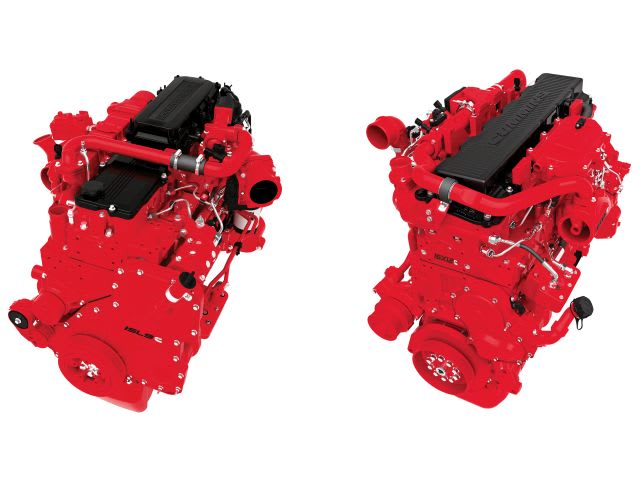
As an initial effort in its SmartEfficiency initiative, Cummins announced optimized gearing recommendations for its ISL9 (left) and ISX12 diesel engines for motorcoach operators.
1 min to read
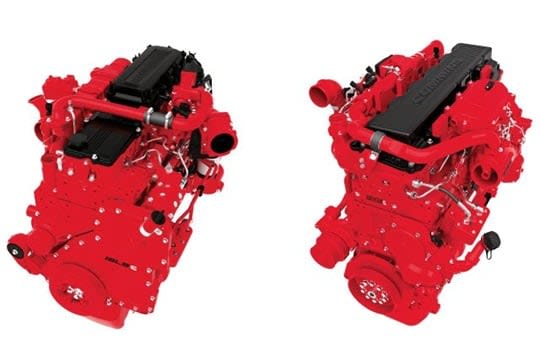
As an initial effort in its SmartEfficiency initiative, Cummins announced optimized gearing recommendations for its ISL9 (left) and ISX12 diesel engines for motorcoach operators.
Engine supplier Cummins Inc.’s new product improvement plans focus on increased fuel efficiency, lower total cost of ownership and improved uptime, company officials announced on Monday.
Under the initiative, dubbed SmartEfficiency, Cummins will announce product-line improvements over the next 12 months. Those will include optimized calibrations, product tailoring with improved power and torque, mild-hybrid technologies, integrated powertrains and an expanded lineup of alternative-energy products.
"Cummins SmartEfficiency aligns with the industry focus on reducing greenhouse gas and CO2 emissions,” said Kartik Ramanan, general manager of global bus engine business. “It encompasses a range of solutions that will improve fuel efficiency and reduce total cost of operation.”
Ramanan added that Cummins is “working even more closely with customers to understand their business and optimize our products for their specific applications and duty cycles.”
Cummins’ first announcement under the SmartEfficiency banner took place on Monday at the United Motorcoach Association Expo. Cummins announced optimized gearing recommendations for its ISL9 and ISX12 diesel engines for motorcoach operators to improve efficiency, and Connected Diagnostics to increase vehicle uptime, according to the company.
More Maintenance
ASE Highlights School Bus Technician Certification Requirements
ASE is encouraging school bus maintenance professionals to maintain their certifications, highlighting seven specialized tests and five-year renewal requirements.
Read More →
International Adds E-Commerce Capabilities to Fleetrite.com
IC Bus customers can now browse, buy, and track shipments for more than 400,000 aftermarket parts online.
Read More →
The Most Expensive Thing You Do Before Selling a School Bus: Wait
When should you sell an aging school bus? Learn how maintenance, mileage, corrosion, specifications, and timing can affect resale value long before the auction.
Read More →
The Evolution of DEF Header Technology: What School Bus Operations Should Know at Replacement Time
See what school bus fleets should consider when replacing DEF headers to improve reliability, reduce repeat repairs, and control maintenance costs.
Read More →
Sponsored•September 8, 2026
The Essential Guide to School Bus Maintenance and Student Safety
Your district's buses carry students to school every day. This guide shows how predictive maintenance powered by fleet data helps keep buses reliable, drivers accountable and students safer from the first bell to the last stop.
Read More →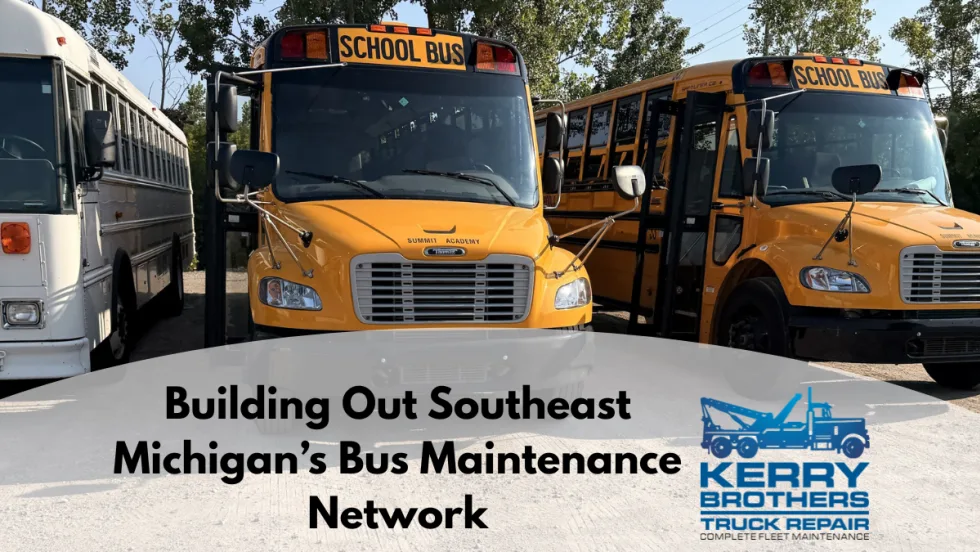
Kerry Brothers Grows Michigan School Bus Repair Network
The acquisition of Downriver Truck and Bus expands Kerry Brothers’ school bus maintenance footprint across southeast Michigan, adding repair capacity, diagnostic resources, and state inspection support.
Read More →
Noregon Introduces CAN Bus Diagnostic Tool, Expands JPRO Features
CAN Mentor and the latest JPRO update aim to simplify vehicle network diagnostics and improve repair efficiency for technicians of all experience levels.
Read More →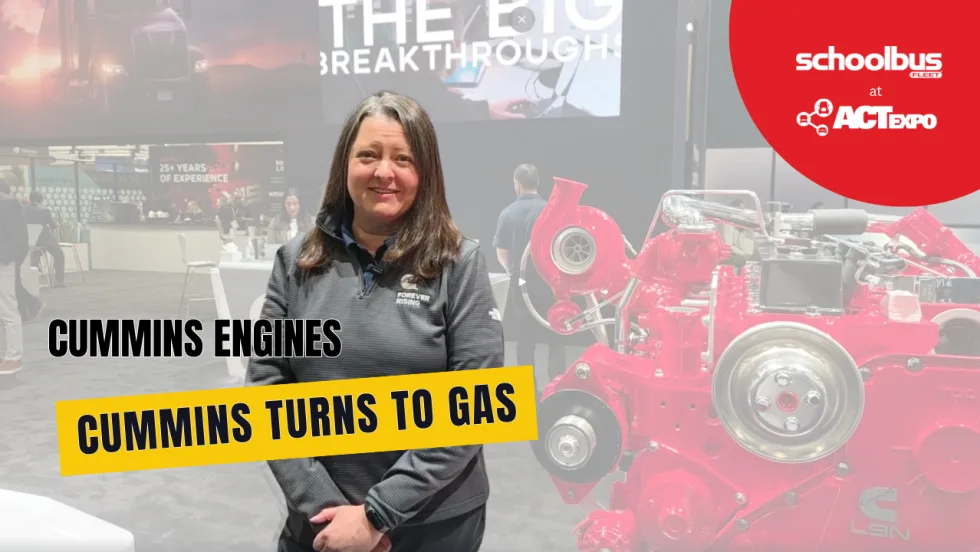
Cummins on Smarter, Simpler Engine Innovation
Cummins discusses its first-ever gasoline engine for school buses, EPA 2027, and why bus fleets still want durable, simpler internal combustion options.
Read More →
Report: 72% of Diesel School Buses Now Use Advanced Low-Emission Engines
New data shows advanced low-emission diesel technology continues expanding across school bus fleets, even as electric bus adoption gains momentum.
Read More →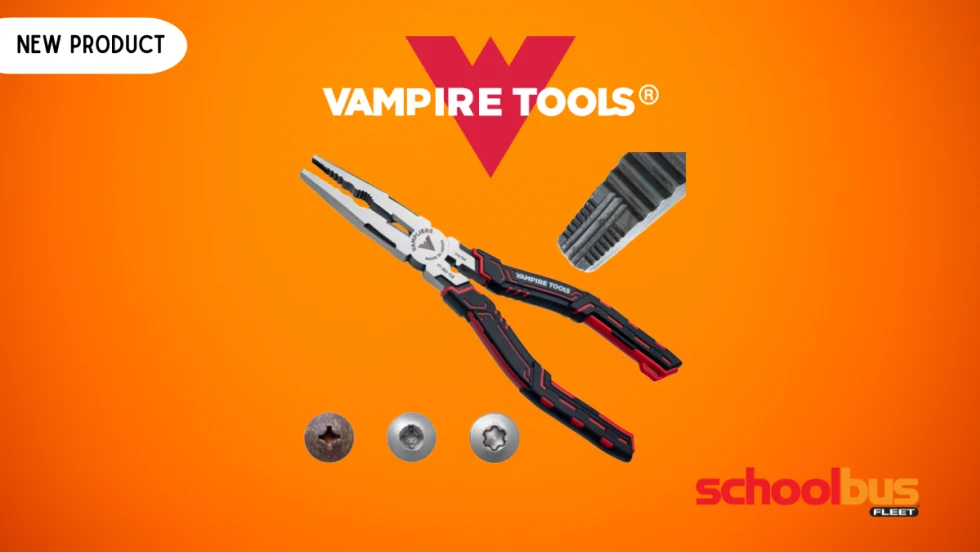
Vampire Tools' CAIMAN 7.5-Inch Multi-Purpose Screw Extractor Long-Nose Pliers with Crimper
Vampire Tools introduced the VAMPLIERS Caiman 7.5-inch multi-purpose pliers, combining screw extraction, cutting, crimping, and gripping functions into a single tool designed for fleet maintenance professionals.
Read More →