



Conn. lawmakers take up second school bus safety bill
The bill would require that a phone number for reporting unsafe driving be painted on all sides of a school bus. The first school bus safety bill raised during this session, which began Feb. 3, would require the installation of seat belts on school buses.

HARTFORD, Conn. — A bill that would require a phone number posted on all sides of a school bus for reporting unsafe driving has been raised in the General Assembly session.
The bill (No. 5032) is the second dealing with school bus safety since a school bus crash Jan. 9 in which a high school student was killed. The first bill would require the installation of seat belts on school buses. To read SBF's report on the first bill, click here.
According to the second bill, commencing Jan. 1, 2011, a telephone number at the Department of Motor Vehicles (DMV) where unsafe or illegal operation of a school bus may be reported must be conspicuously painted on the rear and sides of school buses. The DMV would notify the school bus company of any reported unsafe driving behavior and investigate each report.
The bill also increases fines for companies that break school bus safety laws. Fines for the first offense remain at $100 to $500, but for each subsequent offense, fines would amount to $500 to $1,000.
The Connecticut School Transportation Association opposes the bill, according to an article in the Hartford Courant.
The Assembly's transportation committee is scheduled to hold a public hearing on both bills Wednesday.
More Safety
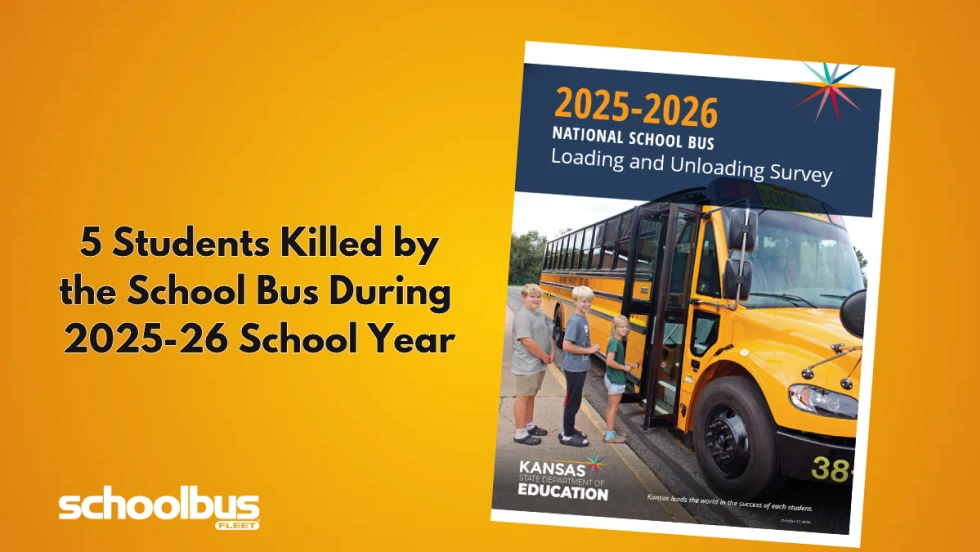
Five Students Died from School Bus Loading/Unloading in 2025-26
Fatalities are down by just one this year across the U.S. as four states reported five children struck and killed while getting on or off their school bus.
Read More →
How a Texas District Built an Award-Winning Safety Culture
Rockwall ISD's Jennifer Gardella joins The Route to share lessons learned on accident prevention, driver training, coaching, technology, and team culture.
Read More →
How Rockwall ISD Built an Award-Winning Safety Culture
How did one Texas transportation team strengthen bus and traffic safety? Jennifer Gardella shares lessons on driver training, coaching, technology, and team culture. The Route is brought to you by IC Bus.
Read More →
North Carolina Student Killed While Boarding School Bus, Two Die in Utah Bus Crash
A Southern Nash High School student died after being struck by a pickup truck while approaching her school bus. In a separate incident, two people were killed after crashing into a school bus in Utah.
Read More →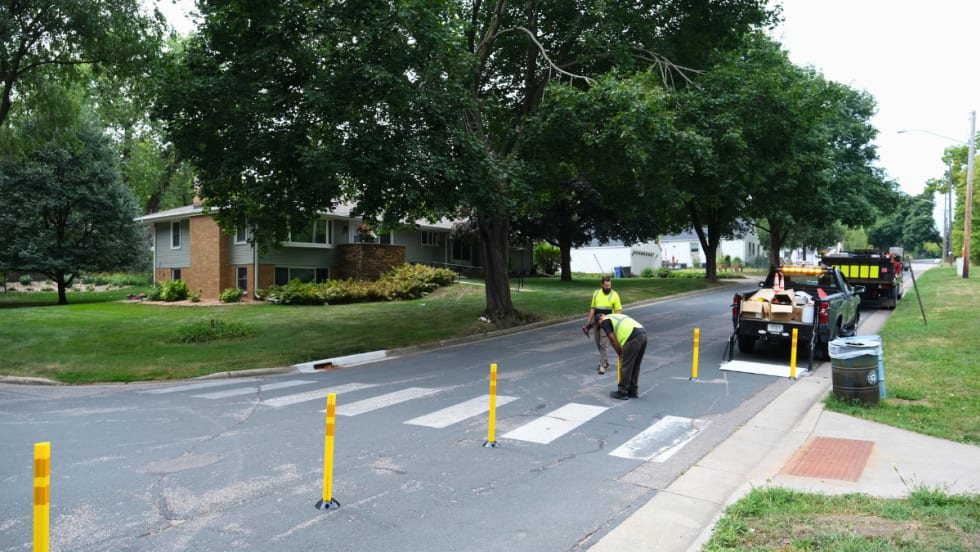
Minneapolis School Zone Pilot Cuts Speeding 41% with Low-Cost Street Design Changes
In a pilot project in Minnesota, two school-area intersections had low-cost, temporary road and traffic flow improvements made to measure the impact on roadway and student safety. Here's what they found.
Read More →
Sitestream, Safety Vision Partner with Connecticut City to Launch School Bus Stop-Arm Camera Program
The new enforcement initiative combines camera technology and violation management software to document illegal school bus passing, encourage driver compliance, and enhance student safety.
Read More →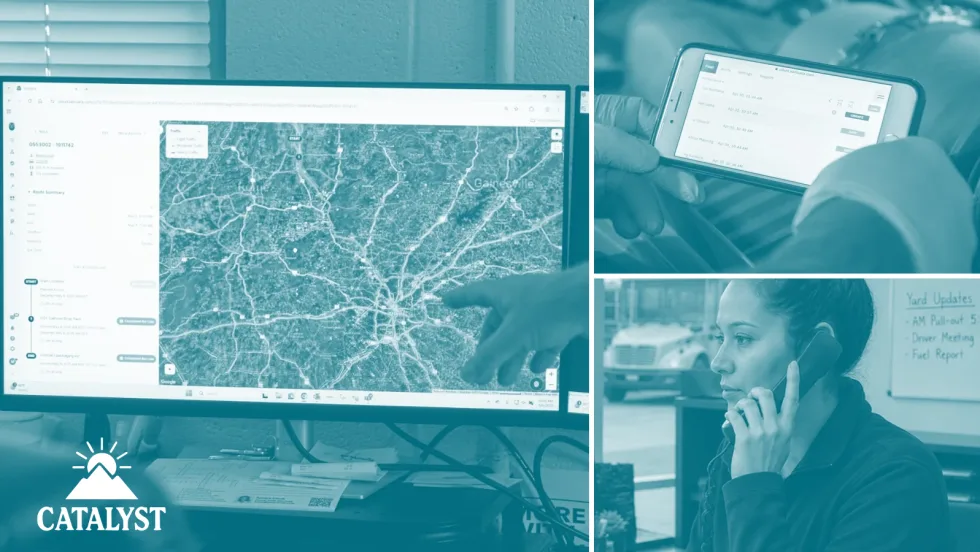
From Reactive to Proactive: Making Every Ride Visible
Smart technology only delivers its full value when it works together. See how Catalyst connects proven industry platforms to move student transportation from reactive to proactive.
Read More →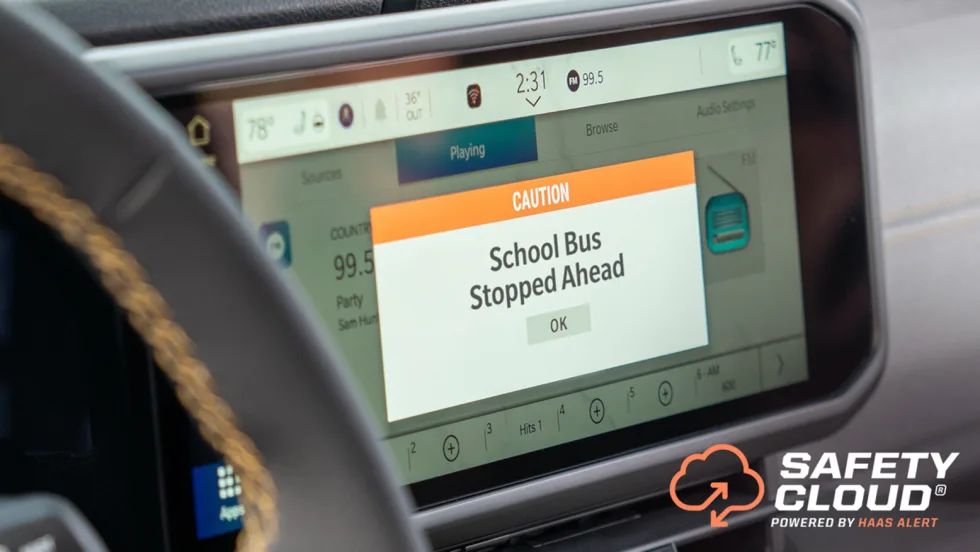
HAAS Alert’s Safety Cloud Warns Motorists of Stopped School Buses
Through a transponder or Samsara connection, the product lets school bus fleets send advance warnings to approaching drivers through in-vehicle alerts.
Read More →
HopSkipDrive Reports Progress on Safety Advisory Council
More than a year after forming the council, independent safety experts have helped shape new rider-safety features and policy progress, with a new goal to address rider behavior.
Read More →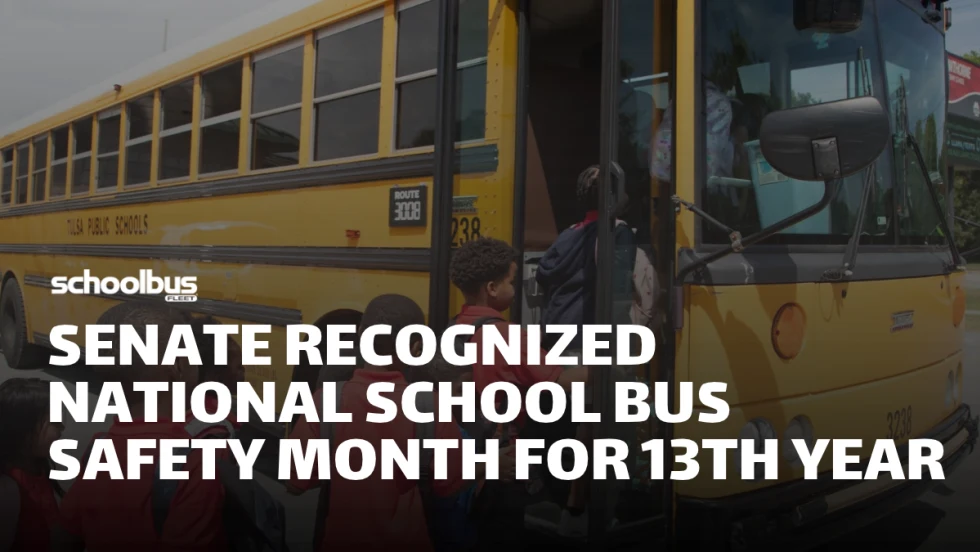
What the 2026 National School Bus Safety Month Resolution Means for Student Transportation
The bipartisan resolution highlights illegal school bus passing, student safety during loading and unloading, and the need for driver training and public education.
Read More →