





Decade by Decade: 50 Years of Pupil Transportation History
Conduent Transportation to Highlight Child Safety Solutions at Florida Conference
Conduent Transportation will highlight DriveSafe Enforcement System, which System uses sensors to detect and track vehicles through a particular location, to help keep school children safe.
July 28, 2023
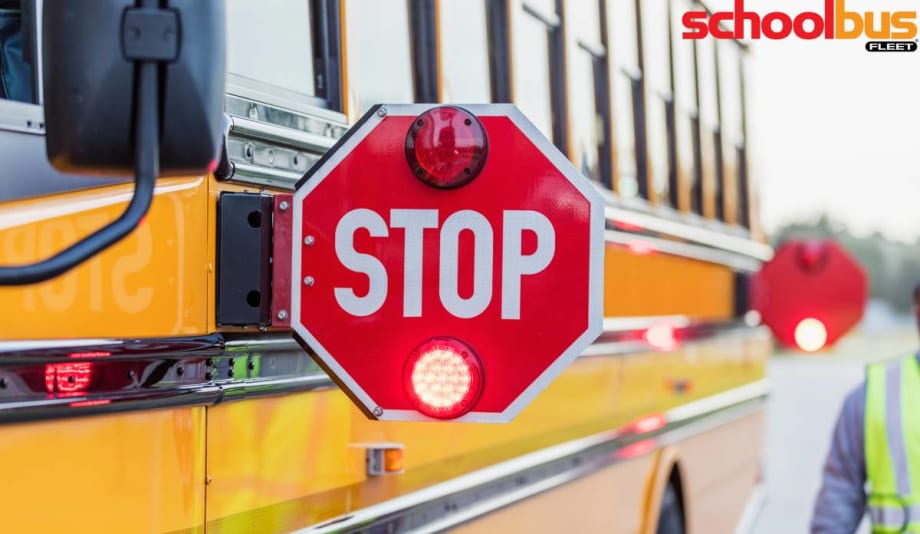
Florida enacted a new law enabling its school districts to mount detection systems, such as the DriveSafe Enforcement System, on school bus exteriors that will activate when bus lights flash and the “stop arm” extends.
Photo: Canva
3 min to read
Conduent Transportation, a smart mobility technology solutions and business unit of Conduent Incorporated, plans to highlight technology solutions to make streets and communities safer for school children at the annual Summer Training Conference & Exposition. The event is hosted by the Florida Police Chiefs Association and held July 28 to Aug. 2 in Bonita Springs.
With more than 25 years of experience in traffic enforcement, Conduent’s exhibit will feature technology and expertise that it uses to operate one out of every four U.S. public safety systems, including those designed to encourage motorists to slow down in school zones.
Powered by artificial intelligence, the Conduent DriveSafe Enforcement System uses sensors to detect and track vehicles through a particular location, such as in a school or construction zone or along a highway. The speed and position of each vehicle at that location is monitored to detect if a violation occurs, as determined by local laws.
Earlier this year, Florida enacted a new law authorizing its counties and municipalities to implement this type of camera-equipped detection system in and around schools to target vehicles traveling 10 mph or more over the posted speed limit. Independent studies, including one by the Insurance Institute for Highway Safety, show these programs can improve the safety of communities. Conduent provides the software, hardware, and video analytics, as well as back-office operations, to make such programs successful.
Florida also enacted a new law enabling its school districts to mount camera systems on school bus exteriors that will activate when bus lights flash and the “stop arm” extends, signaling to other vehicles that they are not allowed to pass as a student is dropped off or picked up.
In 2022, Conduent announced a partnership to develop and deliver this automated technology, which – when combining AI and computer vision – will capture violations if drivers do not stop as required.
Passing a school bus with its stop arm extended is illegal in every U.S. state.
According to a recent survey conducted by the National Association of State Directors of Pupil Transportation Services, tens of millions of violations happen per year across America where vehicles pass school buses, creating an unsafe situation for children.
“This event is an excellent opportunity for our team to showcase our industry-leading technologies and demonstrated experience for public safety,” said Lou Keyes, president of transportation solutions at Conduent, in a recent news release. “We can provide the tools and expertise communities in Florida need to improve safety in school and work zones and for school children.”
These solutions, spanning roadway charging and management, parking and curbside management, and advanced transit and public safety systems, enable streamlined and personalized services for citizens and travelers who use them.
More Safety
School's Back. Here's What Happened to Traffic, Speeding & Distraction
What happens to traffic when school resumes? New data analysis examines changes in distracted driving, congestion, and speeding around schools.
Read More →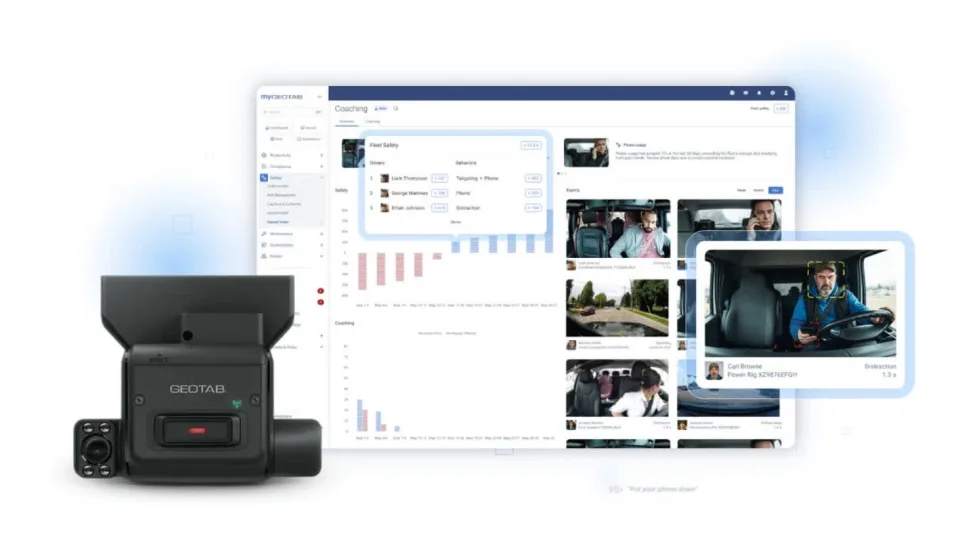
Geotab Expands Fleet Safety Tools With Video Coaching, Risk Insights
New safety and video capabilities aim to help fleet managers assess risk, support drivers, and take targeted action through video coaching, red-light violation detection, and more.
Read More →
How to Build a Better School Bus Driver Training Program
Is it time to strengthen your driver training? Here’s how to pick the right talent and improve recruitment, retention, and safety. This video is brought to you by IC Bus.
Read More →

Recent School Bus Accidents Leave 2 Dead, 2 Injured
Four school bus crashes in Florida, Illinois, and Georgia highlight risks in transportation lots, at bus stops, and during student loading and unloading.
Read More →
Sponsored•September 8, 2026
When Every Second Matters, Clarity Keeps Routes Moving
From routine delays to urgent incidents, strong communication practices help drivers, dispatchers, schools, and families respond with confidence.
Read More →
What Happens When a School Bus Catches Fire — and What Can Help
School bus fires are rare but can be devastating. Learn how advances in fire suppression and asset protection help fleets detect fires earlier, reduce damage, and improve safety.
Read More →
Geotab Launches Tool to Help Fleets Investigate Road Incidents
Geotab Investigations combines telematics data, video, documents, and other evidence to help fleets reconstruct incidents, resolve claims, and determine what happened.
Read More →
Texas Sixth Grader Wins 2026 National School Bus Safety Poster Contest
Sai Darshana Yekolu of Moseley Middle School in Prosper, Texas, was named the newest winner for her artwork, bringing the theme of “Safe Rides, Everyday Heroes” to life.
Read More →
Sponsored•August 27, 2026
Doing More With Less: How Transportation Directors Can Prioritize Safety Amid Budget Uncertainty
With diesel prices soaring and nearly one-third of transportation directors expecting budget cuts, maintaining student safety has never been more challenging. Download this guide to learn how leading districts are prioritizing risk, funding critical safety technology, and building stronger budget cases with data.
Read More →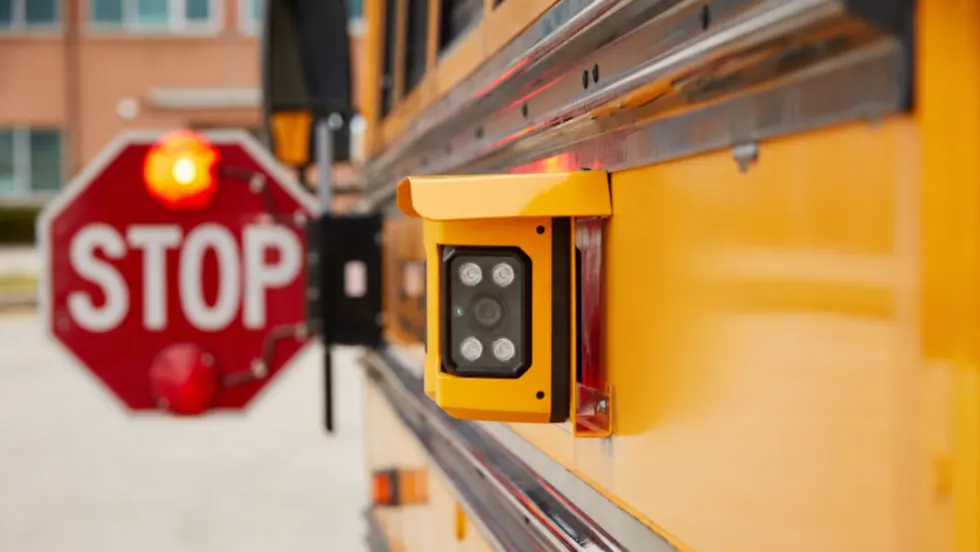
Walton County Schools Adds Gatekeeper Stop-Arm Enforcement System
The Florida district will deploy Gatekeeper’s updated Student Protector technology, which now incorporates AI to improve video evidence.
Read More →