




Collins Bus Corp. launches new CNG Type A school bus
The school bus manufacturer has partnered with Westport on the bus, which features the Westport WiNG Power System, a dedicated natural gas fuel system. The bus also features a large passenger-side cab view window, an exterior storage compartment, and it provides an estimated 250- to 300-mile range. Collins Bus is accepting orders for the bus, and delivery to customers will begin in the fall, according to the company.


The new Collins Bus CNG Type A school bus is built on a Ford E450 chassis.
SOUTH HUTCHINSON, Kan. — Collins Bus Corp. has partnered with Westport to offer a new compressed natural gas (CNG) Type A school bus, and it is now accepting orders for the bus.
Company officials said that the CNG bus provides an estimated 250- to 300-mile range, decreases greenhouse gas emissions by up to 15% and reduces operating costs.
The bus is built on a Ford E450 6.8L cutaway chassis backed by a Ford factory 5-year/60,000-mile engine and powertrain warranty. It features the Westport WiNG Power System, a dedicated natural gas fuel system that is certified by the California Air Resources Board and the EPA.
The bus will have 29 gasoline gallon equivalents of CNG on board.
“We are very pleased to partner with Westport to begin offering a CNG bus model in the fastest growing segment of the alternative-fuel school bus market,” said Kent Tyler, president and CEO of Allied Specialty Vehicles’ Bus Division and interim president of Collins Bus. “As Ford’s largest qualified vehicle modifier, Westport’s CNG expertise and proven technology allows us to offer the most reliable clean energy Type A school bus model available to meet the evolving needs of our dealers and diverse customer base.”
Paul Shaffer, Westport vice president and managing director of North American Ford business, added, “Westport is continuing to demonstrate our position as an industry leader by offering the first ever Ford-recognized Type A school bus that runs on natural gas. Our team of engineers worked with Ford and Collins Bus to conduct extensive simulations and physical crash testing to meet the stringent school bus safety requirements. With the distinct price and emissions benefits of natural gas, we’re excited to offer a CNG-powered product to school districts.”
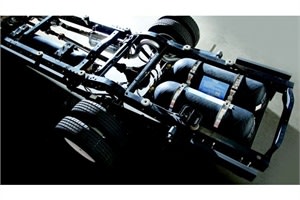
The Collins Bus CNG model will have 29 gasoline gallon equivalents of CNG on board.
Officials said Collins Bus offers a wide range of floor plan configurations, including ADA accessible packages, which can accommodate 18 to 28 passengers.
Additional options unique to Collins Bus include a large passenger-side cab view window, an exterior storage compartment that holds up to 120 pounds of equipment, and high-strength, low-alloy tube steel roof bows and interlocking longitudinal members that result in a significantly stronger and rigid structure in all directions with increased resistance to twist and crush forces.
Officials said Collins Bus will begin delivery of the new CNG bus to customers in the fall. To place an order, call (800) 533-1850.
More Alternative Fuels
Bipartisan Bill Seeks to Extend Clean School Bus Program Through 2031
The proposed legislation would renew federal support for cleaner school buses as districts navigate funding uncertainty, rising fuel and infrastructure costs, and fleet replacement needs.
Read More →
Alt-Fuel Moves: Electric Bus Rollouts, Bidirectional Charging & Propane Growth
See which fleets are adding electric and propane school buses as districts and operators invest in charging infrastructure, bidirectional technology, and alternative-fuel expansion.
Read More →
Nobody Told Diesel Prices They Were Supposed to Come Down
With diesel prices surging, school bus fleets have new reason to stress-test fuel costs, consider diversification, and calculate what each route really costs to operate.
Read More →
Why Gasoline School Buses Are Making a Comeback
Gasoline is gaining ground in full-size school buses. See how today’s options stack up against diesel on cost, maintenance, emissions, performance, and more.
Read More →
EPA Opens $180M DERA Funding Round for Diesel Upgrades
The 2026 Diesel Emissions Reduction Act program seeks applications from eligible organizations to accelerate the retirement of legacy diesel vehicles.
Read More →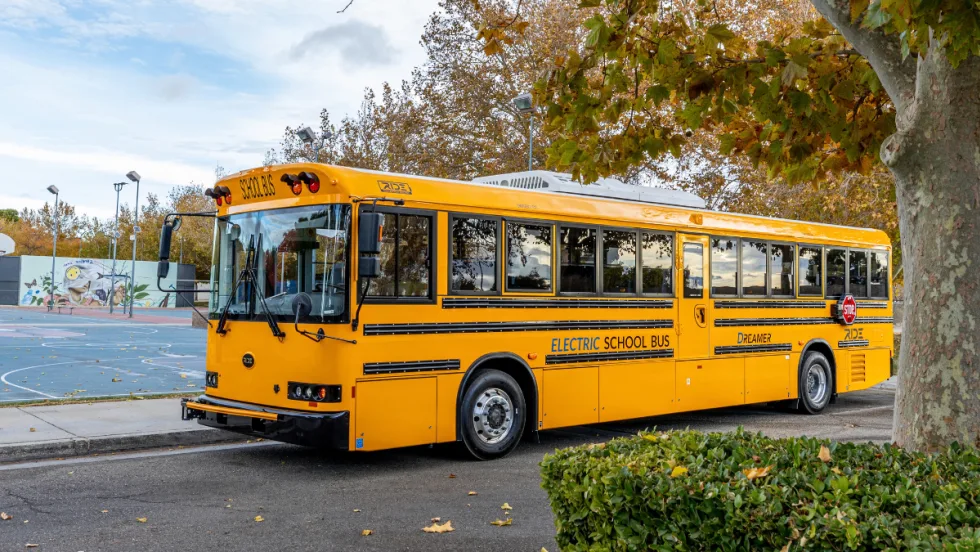
The Secret Life of an Electric School Bus Battery
Batteries change throughout years of daily routes, but degradation doesn’t necessarily mean the end. Here’s what operators should know about performance, safety, and second life.
Read More →
CALSTART and Forth Combine to Form Catalyst Mobility
The new name represents a renewed vision for the nonprofit focused on advancing clean, equitable, and affordable transportation solutions that move people and goods.
Read More →
Alt-Fuel Moves: New Buses, Charging Hubs & Real-World EV Testing
Propane and electric school bus deployments continue to grow as districts add new vehicles, expand charging infrastructure, and gather more real-world operating data.
Read More →
Fewer Electric School Bus Models Reshape the U.S. Market
WRI’s latest buyer’s guide points to a consolidating electric school bus market, but fewer options may reflect a maturing industry rather than fewer meaningful choices for school bus operators.
Read More →
The Fuel Budget You Can Actually Predict: How Propane Autogas Keeps Money in the Classroom
Learn how propane autogas helps school districts manage fuel costs with predictable pricing, lower maintenance, and reduced emissions from former transportation director Joel Stutheit.
Read More →