





Check Out: Breaking Down Alternative Fuel Infrastructure Costs
Canada Infrastructure Bank Partners with Highland for Zero-Emission School Bus Initiative
The Canada Infrastructure Bank has forged a $50 million loan agreement with Highland Electric Fleets to facilitate the procurement of zero-emission school buses nationwide.
May 8, 2024

Highland Electric aims to use the CIB loan facility to strengthen its operations within Canada. The electric school buses, operated under Highland Electric's turnkey model, will be leased to school transportation providers and boards as replacements for aging diesel vehicles.
Source: Canva/Canada Infrastructure Bank
2 min to read
The Canada Infrastructure Bank (CIB) has finalized a loan facility agreement with Highland Electric Fleets (Canada) ULC valued at up to $50 million to support the financing of numerous zero-emission school buses.
Highland Electric aims to use the CIB loan facility to strengthen its operations within Canada. The electric school buses, operated under Highland Electric's turnkey model, will be leased to school transportation providers and boards as replacements for aging diesel vehicles.
Highland Electric marks the first CIB-funded entity to lease ZEBs for school transportation nationwide in Canada.
"At Highland, our objective is to simplify and make school bus electrification as economical as possible, enabling more students to experience a cleaner and healthier commute to school,” said Gaurav Dubey, CFO for Highland Electric Fleets. “Through our partnership with the CIB, we eagerly anticipate collaborating with school districts throughout Canada to redefine the future of school bus transportation."
The financing structure will allocate $85,000 for each Type A ZEB, $100,000 for each Type C, and the terms for Type D will be mutually determined. With these loan amounts, the facility could enable the acquisition of approximately 500 ZEBs and mitigate around 5,500 tons of carbon emissions annually.
The CIB's loan aims to offset the initial capital expenses of ZEBs, expediting the transition to electrified bus fleets. ZEBs, proven to be significantly quieter and more sustainable, offer a preferable mode of transportation for students. Repayment of the investment is anticipated through reduced maintenance and fuel costs over the vehicles' lifespan.
The CIB loans under this facility will complement Infrastructure Canada's funding for zero-emission transit. Highland Electric will oversee ZEB procurement, charging infrastructure design and installation, and charge management. Maintenance and operation of the ZEBs will be the responsibility of operators.
"Partnering with Highland Electric supports greener and more sustainable transportation options for students, parents, and school staff for generations to come,” said Ehren Cory, CEO of Canada Infrastructure Bank. “The adoption of Highland Electric's turnkey leasing program offers a unique and alternative approach for school boards and operators to integrate zero-emission vehicles into their service areas without the need for direct bus acquisitions."
The CIB's Zero-emission Bus Initiative is committed to assisting transit agencies and school bus operators in modernizing their fleets with environmentally friendly vehicles. The CIB has pledged over $1.5 billion toward the acquisition of up to 5,000 ZEBs.
"Investing in zero-emission transit is crucial to combating greenhouse emissions in Canada and achieving our net-zero objectives,” said Sean Fraser, Canada’s Minister of Housing, Infrastructure, and Communities. “We are immensely proud that the CIB's collaboration with Highland Electric will facilitate the provision of hundreds of electric school buses across the country."
More Alternative Fuels
Bipartisan Bill Seeks to Extend Clean School Bus Program Through 2031
The proposed legislation would renew federal support for cleaner school buses as districts navigate funding uncertainty, rising fuel and infrastructure costs, and fleet replacement needs.
Read More →
Alt-Fuel Moves: Electric Bus Rollouts, Bidirectional Charging & Propane Growth
See which fleets are adding electric and propane school buses as districts and operators invest in charging infrastructure, bidirectional technology, and alternative-fuel expansion.
Read More →
Nobody Told Diesel Prices They Were Supposed to Come Down
With diesel prices surging, school bus fleets have new reason to stress-test fuel costs, consider diversification, and calculate what each route really costs to operate.
Read More →
Why Gasoline School Buses Are Making a Comeback
Gasoline is gaining ground in full-size school buses. See how today’s options stack up against diesel on cost, maintenance, emissions, performance, and more.
Read More →
EPA Opens $180M DERA Funding Round for Diesel Upgrades
The 2026 Diesel Emissions Reduction Act program seeks applications from eligible organizations to accelerate the retirement of legacy diesel vehicles.
Read More →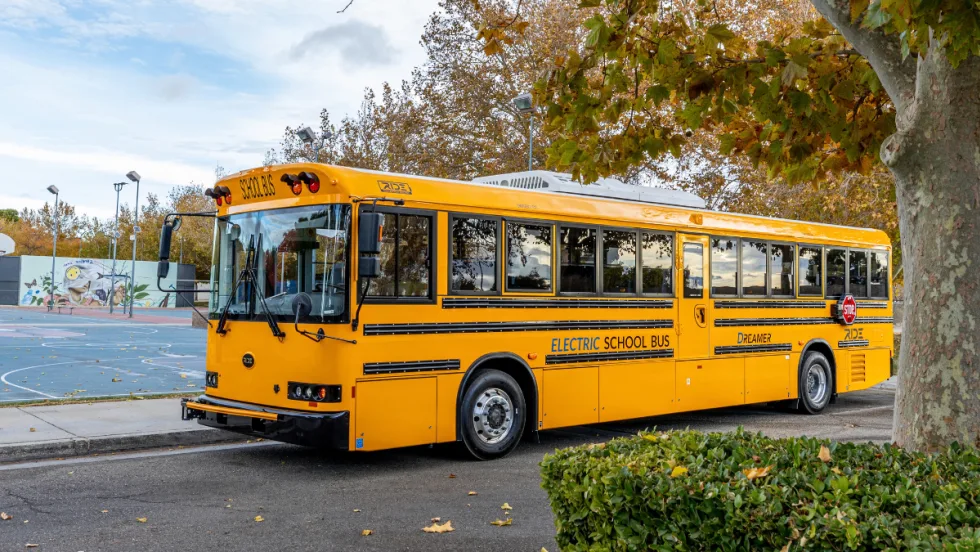
The Secret Life of an Electric School Bus Battery
Batteries change throughout years of daily routes, but degradation doesn’t necessarily mean the end. Here’s what operators should know about performance, safety, and second life.
Read More →
CALSTART and Forth Combine to Form Catalyst Mobility
The new name represents a renewed vision for the nonprofit focused on advancing clean, equitable, and affordable transportation solutions that move people and goods.
Read More →
Alt-Fuel Moves: New Buses, Charging Hubs & Real-World EV Testing
Propane and electric school bus deployments continue to grow as districts add new vehicles, expand charging infrastructure, and gather more real-world operating data.
Read More →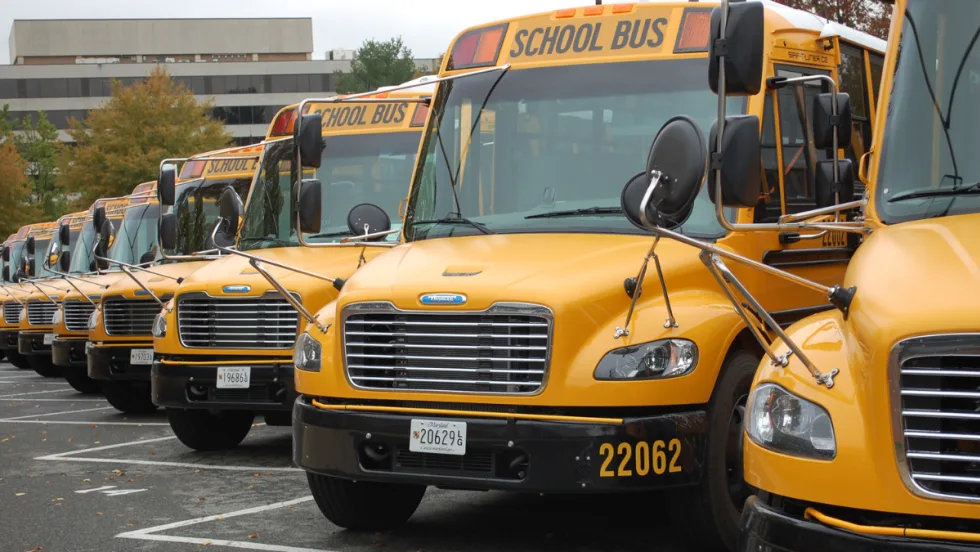
Fewer Electric School Bus Models Reshape the U.S. Market
WRI’s latest buyer’s guide points to a consolidating electric school bus market, but fewer options may reflect a maturing industry rather than fewer meaningful choices for school bus operators.
Read More →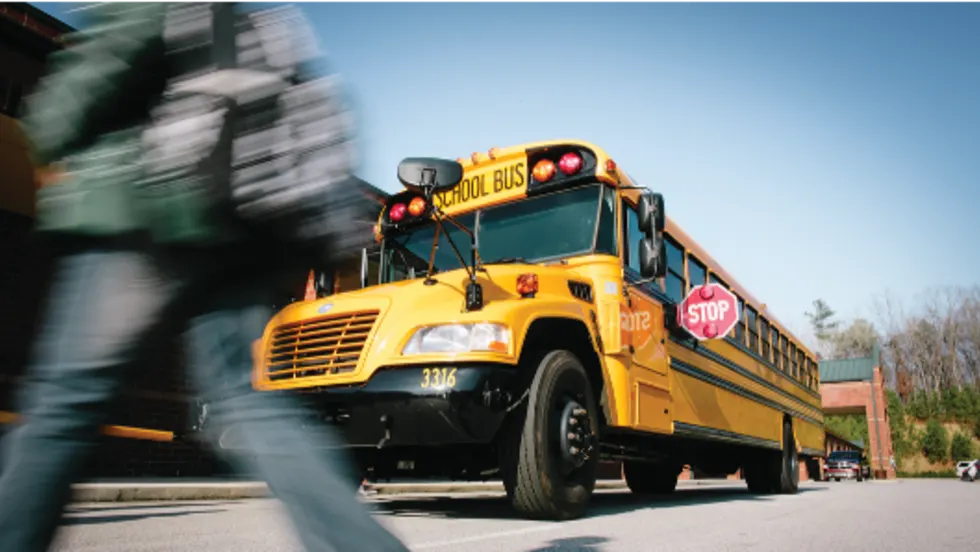
The Fuel Budget You Can Actually Predict: How Propane Autogas Keeps Money in the Classroom
Learn how propane autogas helps school districts manage fuel costs with predictable pricing, lower maintenance, and reduced emissions from former transportation director Joel Stutheit.
Read More →