





Charged Up? How to Find Funding for Alt-Fuel School Buses
California Power Company Will Offer Nation’s First V2G Export Rate for Commercial EV
The vehicle-to-grid export rate is expected to promote electric vehicle adoption in California, which is considered the nation's largest EV market.
November 2, 2022
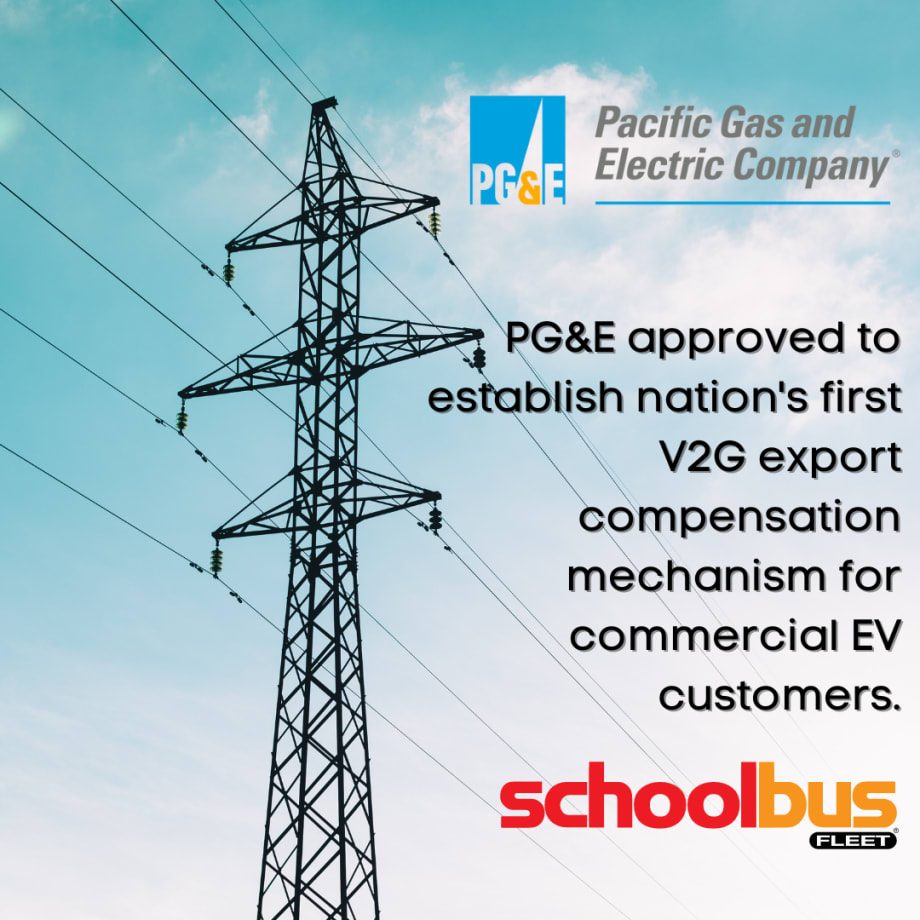
The rate is expected to increase participation from V2G school buses and other electric vehicles in California. But will other states follow this example?
Image: Canva/PG&E
3 min to read
Pacific Gas and Electric Company (PG&E) has received approval to establish the nation’s first “vehicle-to-grid” (V2G) export compensation mechanism for commercial electric vehicle (EV) charging customers in its California service area.
The V2G export rate promotes EV adoption, including school buses, by providing upfront incentives to help commercial customers offset fleet costs and delivers an innovative solution for these vehicles to export power back to support the grid during peak energy demand periods.
The groundbreaking settlement agreement with the Vehicle-Grid Integration Council (VGIC), Electrify America LLC, and the Public Advocates Office at the California Public Utilities Commission (CPUC) was adopted by the CPUC on Oct. 20, 2022. The rate is expected to increase participation from V2G school buses and other electric vehicles in response to near-real-time grid conditions and will be available to charging equipment paired with stationary energy storage systems, which can support the grid and provide backup power to charge vehicles during grid outages.
More than 420,000 EVs have been sold in PG&E’s service area, representing one in six EVs in the country. As large vehicles like school buses and commercial fleets continue to electrify, the opportunity grows for these vehicles to serve as crucial, flexible grid resources to support a more reliable, affordable, and efficient energy system. Greater volumes of these vehicles on the road comes at a critical time, as peak energy demand challenges California’s grid and novel solutions like V2G emerge.
“The adoption of the nation’s first V2G export rate aligns with our core focus of proactively preparing the grid, increasing access to EV infrastructure, and supporting EV adoption through rates, rebates, tools, and education,” said Aaron August, PG&E vice president for utility partnerships and innovation.
This new export rate structure, in the nation’s largest EV market, can serve as a guide for additional innovative rate structures across the country. As utility regulators, state agencies and industry partners continue to move forward with policy and market design in this dynamic space, VGIC is committed to advancing the role of smart EV charging and discharging through policy development, education, outreach, and research to support transportation and electric sector decarbonization.
“The CPUC’s decision is a strong step forward for Californians and in support of the state’s grid, implementing the nation’s first dynamic export rate for EV charging customers,” said Ed Burgess, VGIC policy director. “As ever-greater numbers of EVs hit the roads, this innovative rate option will allow EV owners to further benefit from their investment in clean transportation. Leveraging the capability of EVs as a grid resource will help integrate more clean energy into our power system, reduce energy bills for all utility customers, and support California’s ambitious decarbonization goals. We appreciate PG&E’s constructive approach to supporting this program, and believe it serves as a guidepost for other forward-looking energy providers to follow across the country.”
More Alternative Fuels

CALSTART and Forth Combine to Form Catalyst Mobility
The new name represents a renewed vision for the nonprofit focused on advancing clean, equitable, and affordable transportation solutions that move people and goods.
Read More →
Alt-Fuel Moves: New Buses, Charging Hubs & Real-World EV Testing
Propane and electric school bus deployments continue to grow as districts add new vehicles, expand charging infrastructure, and gather more real-world operating data.
Read More →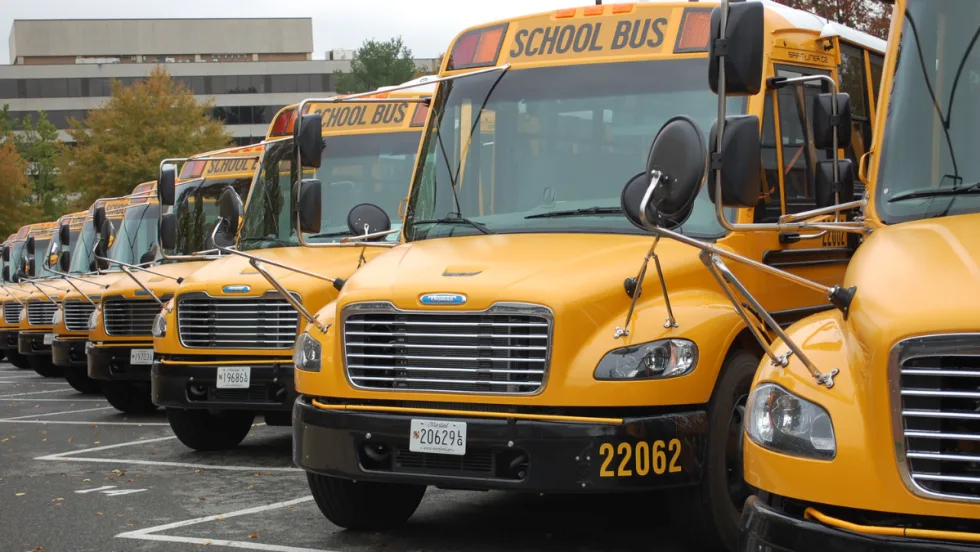
Fewer Electric School Bus Models Reshape the U.S. Market
WRI’s latest buyer’s guide points to a consolidating electric school bus market, but fewer options may reflect a maturing industry rather than fewer meaningful choices for school bus operators.
Read More →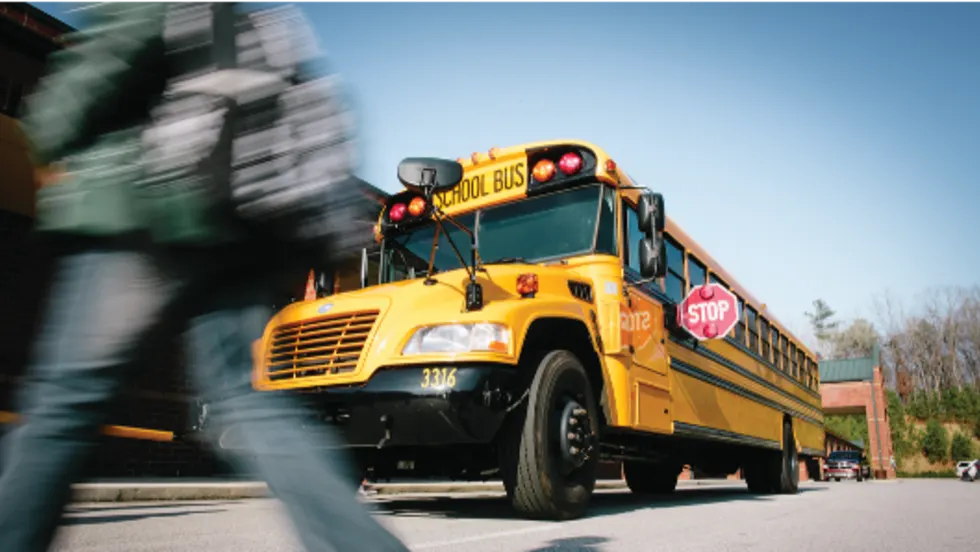
The Fuel Budget You Can Actually Predict: How Propane Autogas Keeps Money in the Classroom
Learn how propane autogas helps school districts manage fuel costs with predictable pricing, lower maintenance, and reduced emissions from former transportation director Joel Stutheit.
Read More →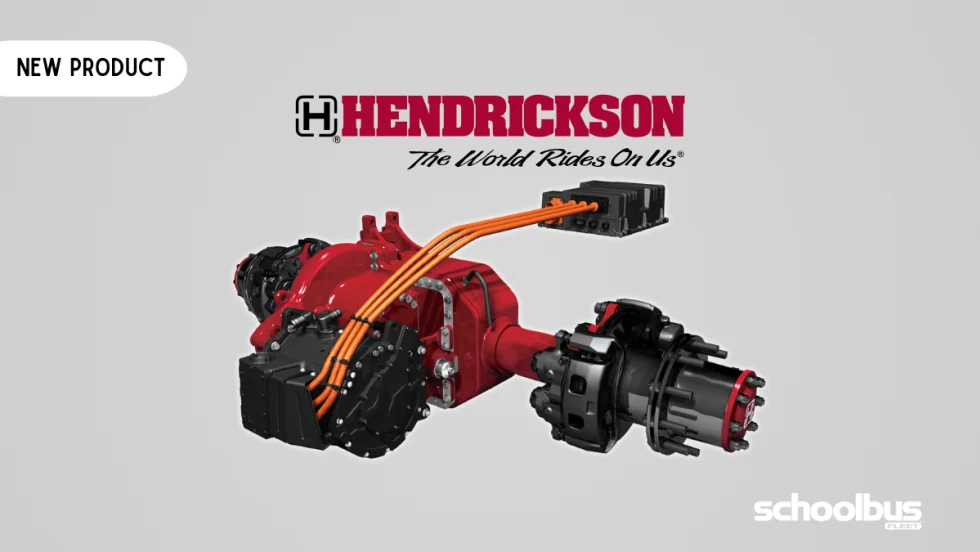
Hendrickson, Driventic Introduce New Electric Powertrain for School Buses
ELECTRAAX, the electrified, lightweight drive axle offers integrated ePowertrain efficiency and modular flexibility for Class 6–7 school bus use.
Read More →
The Mobility House Joins PowerFlex in Fleet Electrification Deal
The acquisition combines intelligent charging software, bidirectional charging expertise, and fleet electrification services to support the growing adoption of electric school buses across North America.
Read More →
Alt-Fuel Moves: Electric School Bus Investments Hit the Road
See which districts across the U.S. are putting electric school buses into service, expanding charging infrastructure, and planning the next phase of fleet electrification.
Read More →
With Fuel Volatility Ahead, School Districts Turn to Propane
While diesel prices peaked above $5 this spring, districts with propane autogas-powered fleets paid under $2 per gallon, according to PERC.
Read More →
EPA Unveils Proposed Changes to 2027 Heavy-Duty Engine Rules
The federal agency has proposed changes to next year’s targets that would eliminate DEF derates, ease warranty requirements, and retain current NOx emissions standards.
Read More →
Alt-Fuel Moves: EV Charging & Infrastructure Projects Gain Momentum
The latest developments include new funding, charging infrastructure, utility investments, and fleet technologies designed to support the transition to electric school buses nationwide.
Read More →