




Blue Bird Delivers First Electric School Bus to Navajo Nation
The Chinle Unified School District in Arizona acquired funding for new buses through the A for Arizona grant program.


A Chinle USD bus driver provides an orientation to the functionality and benefits of the electric bus for students and community members at the debut appearance of the first EV school bus on the Navajo reservation.
Photo: Chinle Unified School District
Blue Bird Corporation delivered the first of three electric school buses to Chinle Unified School District in Arizona, the largest school district in the Navajo Nation.
Chinle USD expands its all Blue Bird diesel-powered bus fleet with zero-emission vehicles to put student and community health first while reducing operating costs. Select Blue Bird customers reported an average 14 cents per mile in energy costs for electric buses, compared to approx. 49 cents per mile for their diesel buses.
Blue Bird will provide its most advanced zero-emission school buses to Chinle USD, including two Blue Bird Vision and one Blue Bird All American electric school bus. These electric vehicles carry between 72 and 84 students for up to 120 miles on a single charge. Depending on the charging infrastructure, the buses take between three and eight hours to fully recharge.
Chinle USD is the largest school district in the Navajo Nation in both student count and geographic area. It serves 3,300 students in eight schools, including the largest reservation high school in the United States. School buses travel more than 6,000 miles each day on routes characterized by mostly unimproved roads.
“Beyond the potential that the electric school buses offer for cost efficiency and reducing our fleet’s greenhouse gas emissions, the impact that these EV’s have on student learning and access to world experience is notable,” said Quincy Natay, superintendent of Chinle USD. “Many of our students live in high poverty households and may not have even ridden in electric vehicles. Now, they get to ride to school on a state-of-the-art EV school bus. Our students are very curious, and our drivers have already begun explaining how the buses function differently than the previous diesel buses. Especially for children in remote communities, this is a great way to provide firsthand exposure to science, STEAM careers, environmental issues, and cutting-edge technology.”
As previously reported by School Bus Fleet, the school district received a Transportation Modernization Grant through A for Arizona to upgrade its school bus fleet with three electric vehicles. A for Arizona is a non-profit organization dedicated to advancing student achievement in the state, especially in low-income communities.
“Students from low-income areas are disproportionately impacted by diesel pollution from school buses, since the majority of students from related areas ride the bus to school. Zero-emission transportation means cleaner air to breathe and healthier students,” said Britton Smith, senior vice president of electrification and chief strategy officer of Blue Bird Corporation. “We have served Chinle USD for more than 30 years. We could not be more pleased to help the school district transition to electric buses and clean student transportation.”
More Alternative Fuels

Alt-Fuel Moves: Electric Bus Rollouts, Bidirectional Charging & Propane Growth
See which fleets are adding electric and propane school buses as districts and operators invest in charging infrastructure, bidirectional technology, and alternative-fuel expansion.
Read More →
Nobody Told Diesel Prices They Were Supposed to Come Down
With diesel prices surging, school bus fleets have new reason to stress-test fuel costs, consider diversification, and calculate what each route really costs to operate.
Read More →
Why Gasoline School Buses Are Making a Comeback
Gasoline is gaining ground in full-size school buses. See how today’s options stack up against diesel on cost, maintenance, emissions, performance, and more.
Read More →
EPA Opens $180M DERA Funding Round for Diesel Upgrades
The 2026 Diesel Emissions Reduction Act program seeks applications from eligible organizations to accelerate the retirement of legacy diesel vehicles.
Read More →
The Secret Life of an Electric School Bus Battery
Batteries change throughout years of daily routes, but degradation doesn’t necessarily mean the end. Here’s what operators should know about performance, safety, and second life.
Read More →
CALSTART and Forth Combine to Form Catalyst Mobility
The new name represents a renewed vision for the nonprofit focused on advancing clean, equitable, and affordable transportation solutions that move people and goods.
Read More →
Alt-Fuel Moves: New Buses, Charging Hubs & Real-World EV Testing
Propane and electric school bus deployments continue to grow as districts add new vehicles, expand charging infrastructure, and gather more real-world operating data.
Read More →
Fewer Electric School Bus Models Reshape the U.S. Market
WRI’s latest buyer’s guide points to a consolidating electric school bus market, but fewer options may reflect a maturing industry rather than fewer meaningful choices for school bus operators.
Read More →
The Fuel Budget You Can Actually Predict: How Propane Autogas Keeps Money in the Classroom
Learn how propane autogas helps school districts manage fuel costs with predictable pricing, lower maintenance, and reduced emissions from former transportation director Joel Stutheit.
Read More →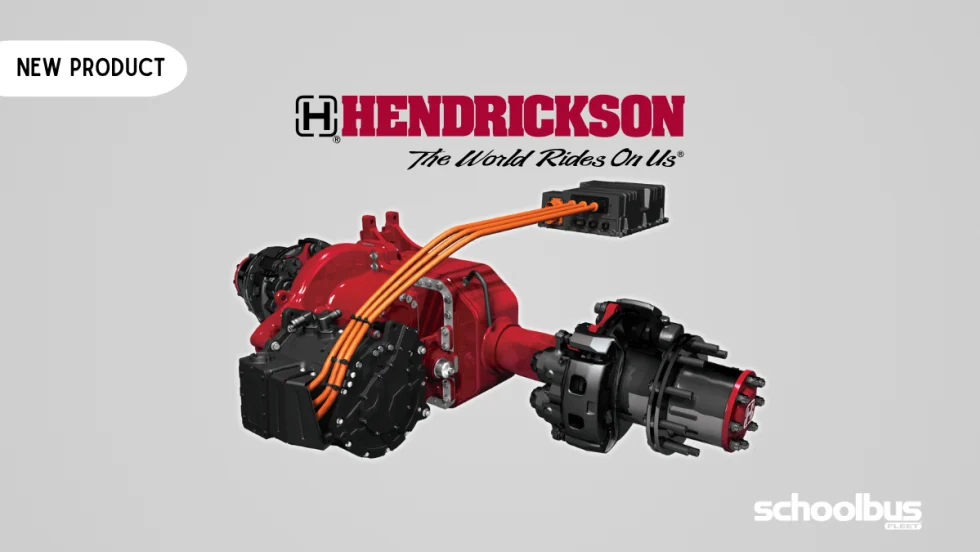
Hendrickson, Driventic Introduce New Electric Powertrain for School Buses
ELECTRAAX, the electrified, lightweight drive axle offers integrated ePowertrain efficiency and modular flexibility for Class 6–7 school bus use.
Read More →