




Barons Bus Adding UV Light Kits to Combat COVID-19
NFI Parts’ UV Lighting system works to reduce bacteria, viruses, and mold in the HVAC system, creating a safer and more comfortable experience for passengers.
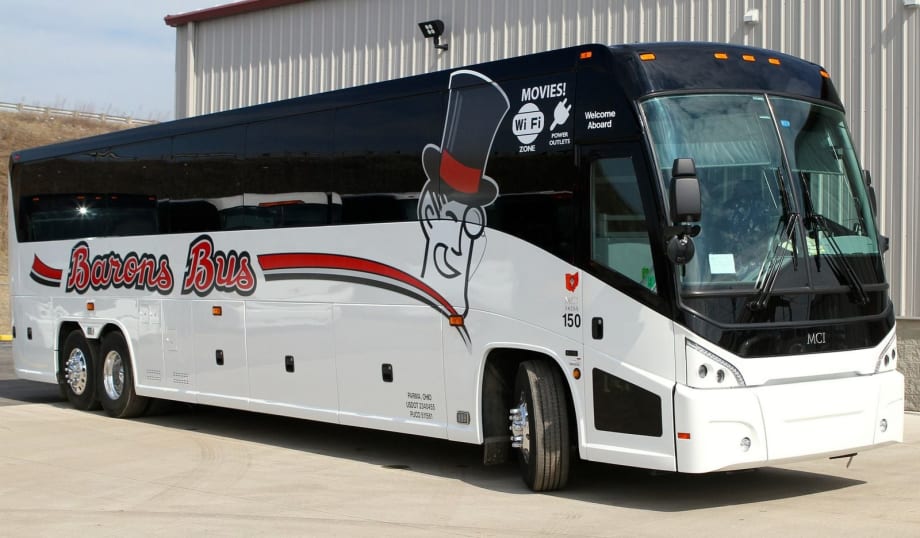
A family-owned bus transportation service, Barons Bus is headquartered in Cleveland and is owned and operated by the Goebel family.
Barons Bus
NFI Parts™ received an order from Barons Bus for 51 UV Light Kits to be installed on their entire fleet of MCI J4500 motorcoaches.
NFI Parts’ UV Lighting system works to reduce bacteria, viruses, and mold in the HVAC system, creating a safer and more comfortable experience for passengers. The UV Lighting system mounts inside the ductwork and sanitizes air with UV light and does not produce pollution or use harmful chemicals. UVC lights have been used to sanitize hospitals, operating rooms, doctors’ offices, medical equipment, and residential spaces for many years.
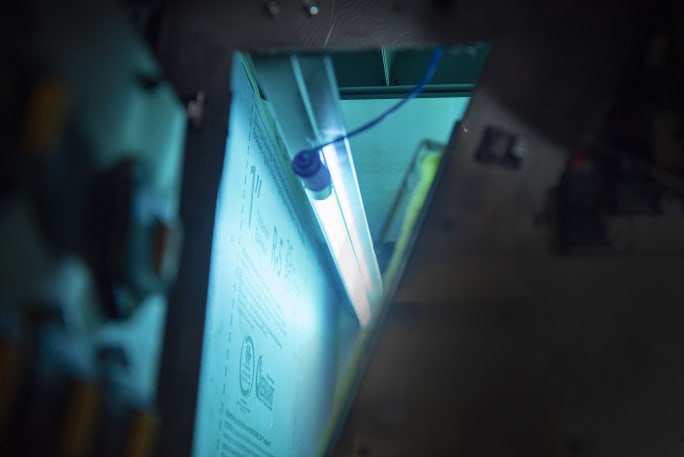
The UV Lighting system mounts inside the ductwork and sanitizes air with UV light and does not produce pollution or use harmful chemicals.
NFI Parts
A family-owned bus transportation service, Barons Bus is headquartered in Cleveland and is owned and operated by the Goebel family, who have been in the bus transportation industry for more than 30 years. The former owners of Lakefront Lines, the Goebel family started Barons Bus in 2012, focusing on purchasing only safe, reliable, clean, and comfortable buses. The philosophy has continued as Barons Bus has grown from five buses to 51 today. Service has expanded to include bus charters, bus tickets at 95-plus stops, the College Connection service offering campus transportation, and school bus transportation. Barons Bus prides itself on safety and customer service and was the recipient of the 2019 Metro Magazine Motorcoach Operator of the Year Award.
“We want every rider to know we are doing everything we can to provide the safest ride for them,” said John Goebel, VP of Barons Bus. “This investment in UVC as well as FAR UV lighting is part of our larger efforts to ensure everyone’s safety.”
Originally posted on Metro
More Safety
2 Killed, Dozens Injured in Florida School Bus Crash
A multi-vehicle collision caused a Polk County school bus carrying 37 students to overturn on its way to Winter Haven High School.
Read More →
Illegal School Bus Passing Drops 24% in New York Districts
With fewer than 5% of citations involving repeat offenders, Westchester County officials said enforcement, education, and community partnerships are helping change driver behavior.
Read More →
School's Back. Here's What Happened to Traffic, Speeding & Distraction
What happens to traffic when school resumes? New data analysis examines changes in distracted driving, congestion, and speeding around schools.
Read More →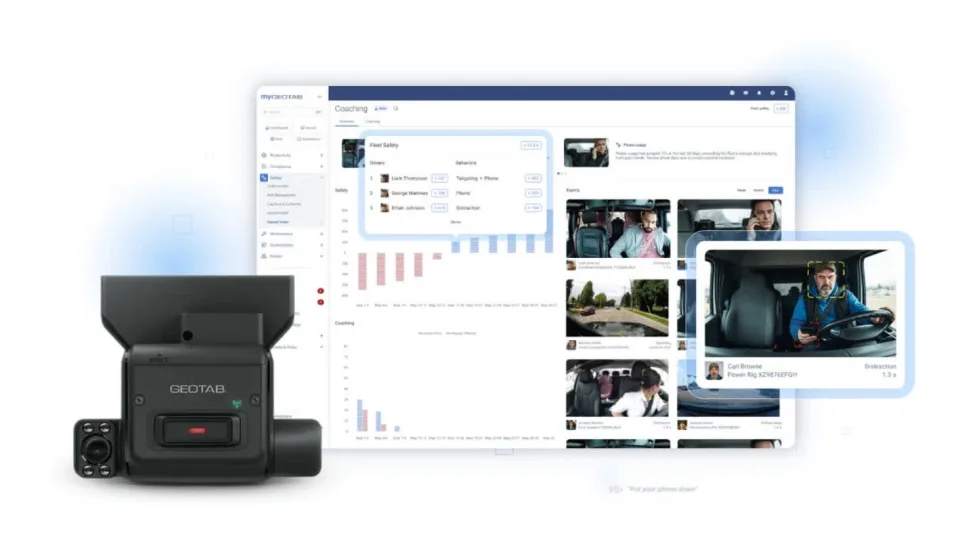
Geotab Expands Fleet Safety Tools With Video Coaching, Risk Insights
New safety and video capabilities aim to help fleet managers assess risk, support drivers, and take targeted action through video coaching, red-light violation detection, and more.
Read More →
How to Build a Better School Bus Driver Training Program
Is it time to strengthen your driver training? Here’s how to pick the right talent and improve recruitment, retention, and safety. This video is brought to you by IC Bus.
Read More →
Recent School Bus Accidents Leave 2 Dead, 2 Injured
Four school bus crashes in Florida, Illinois, and Georgia highlight risks in transportation lots, at bus stops, and during student loading and unloading.
Read More →
When Every Second Matters, Clarity Keeps Routes Moving
From routine delays to urgent incidents, strong communication practices help drivers, dispatchers, schools, and families respond with confidence.
Read More →
What Happens When a School Bus Catches Fire — and What Can Help
School bus fires are rare but can be devastating. Learn how advances in fire suppression and asset protection help fleets detect fires earlier, reduce damage, and improve safety.
Read More →
Geotab Launches Tool to Help Fleets Investigate Road Incidents
Geotab Investigations combines telematics data, video, documents, and other evidence to help fleets reconstruct incidents, resolve claims, and determine what happened.
Read More →
Texas Sixth Grader Wins 2026 National School Bus Safety Poster Contest
Sai Darshana Yekolu of Moseley Middle School in Prosper, Texas, was named the newest winner for her artwork, bringing the theme of “Safe Rides, Everyday Heroes” to life.
Read More →