





Check Out: Propane Autogas May Benefit Prioritized Districts in Clean School Bus Program
Arkansas School District Adds New Propane Buses
Fort Smith Public Schools bought the district's first alternative-fuel buses: three propane-powered vehicles, with help from the Arkansas Department of Energy and Environment.
July 19, 2022

The school district got three Blue Bird Vision Type C buses equipped with Roush CleanTech propane fuel technology.
File photo
2 min to read
Three clean-operating propane school buses arrived at Fort Smith (Arkansas) Public Schools this month, marking the district’s first alternatively fueled bus purchase. Amid rising gas and diesel prices, the district expects to save 60% in fuel costs and thousands of dollars more in maintenance costs.
“Our district is excited about our new propane buses’ cost-saving benefits to help meet budgets and emissions-reducing benefits that are better for student health and the environment,” said Dennis Siebenmorgen, transportation director of Fort Smith Public Schools. “We’re proud to be leading Arkansas to a cleaner future to improve the quality of air for kids, families, drivers and our community.”
Fort Smith Public Schools currently runs 83 buses with 55 routes each day. The new Blue Bird Vision Type C buses equipped with ROUSH CleanTech propane fuel technology will be used daily to transport special needs students.
“Fort Smith Public Schools joins more than a 1,000 school districts across the country transitioning to clean-operating, low-cost propane buses,” said Steve Ahrens, Arkansas Propane Gas Association’s executive director. “In addition to reducing emissions, districts are reporting that their total cost of ownership for propane buses is lower than with any other fuel.”
Many districts are tapping into state and federal funding. To help purchase the buses, Fort Smith Public Schools received funding from the Arkansas Department of Energy and Environment. Additional funding for propane buses is available this year for Arkansas schools who qualify for the Environmental Protection Agency’s Clean School Bus Rebate Program.
The school district added an on-site propane fueling station and locked in a long-term fuel price to help with yearlong budgeting.
“Installing a propane fueling station costs less than any other transportation fueling infrastructure,” said Gary Tedford, regional sales manager with Central States Bus. “Plus, propane buses fuel as quickly and easily as gasoline or diesel buses.”
Bus drivers and students who ride propane buses have significantly reduced exposure to harmful nitrogen oxides, carbon monoxide, soot and particulate matter. Fort Smith Public School’s three propane buses will emit about 2,600 fewer pounds of nitrogen oxides and 6,700 fewer pounds of carbon oxides each year compared to the aging diesel buses they replace.
More Alternative Fuels
Bipartisan Bill Seeks to Extend Clean School Bus Program Through 2031
The proposed legislation would renew federal support for cleaner school buses as districts navigate funding uncertainty, rising fuel and infrastructure costs, and fleet replacement needs.
Read More →
Alt-Fuel Moves: Electric Bus Rollouts, Bidirectional Charging & Propane Growth
See which fleets are adding electric and propane school buses as districts and operators invest in charging infrastructure, bidirectional technology, and alternative-fuel expansion.
Read More →
Nobody Told Diesel Prices They Were Supposed to Come Down
With diesel prices surging, school bus fleets have new reason to stress-test fuel costs, consider diversification, and calculate what each route really costs to operate.
Read More →
Why Gasoline School Buses Are Making a Comeback
Gasoline is gaining ground in full-size school buses. See how today’s options stack up against diesel on cost, maintenance, emissions, performance, and more.
Read More →
EPA Opens $180M DERA Funding Round for Diesel Upgrades
The 2026 Diesel Emissions Reduction Act program seeks applications from eligible organizations to accelerate the retirement of legacy diesel vehicles.
Read More →
The Secret Life of an Electric School Bus Battery
Batteries change throughout years of daily routes, but degradation doesn’t necessarily mean the end. Here’s what operators should know about performance, safety, and second life.
Read More →
CALSTART and Forth Combine to Form Catalyst Mobility
The new name represents a renewed vision for the nonprofit focused on advancing clean, equitable, and affordable transportation solutions that move people and goods.
Read More →
Alt-Fuel Moves: New Buses, Charging Hubs & Real-World EV Testing
Propane and electric school bus deployments continue to grow as districts add new vehicles, expand charging infrastructure, and gather more real-world operating data.
Read More →
Fewer Electric School Bus Models Reshape the U.S. Market
WRI’s latest buyer’s guide points to a consolidating electric school bus market, but fewer options may reflect a maturing industry rather than fewer meaningful choices for school bus operators.
Read More →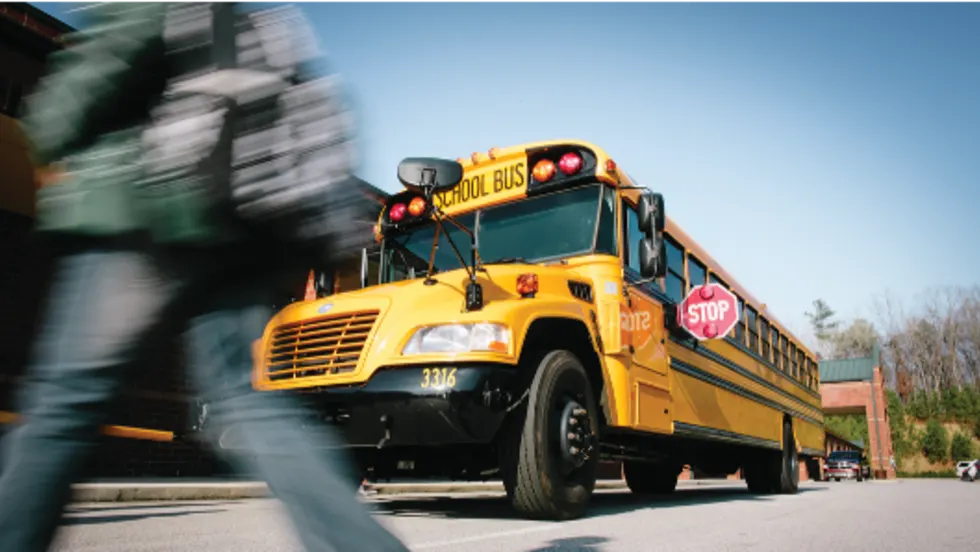
The Fuel Budget You Can Actually Predict: How Propane Autogas Keeps Money in the Classroom
Learn how propane autogas helps school districts manage fuel costs with predictable pricing, lower maintenance, and reduced emissions from former transportation director Joel Stutheit.
Read More →