





Check Out: EPA Clean School Bus Rebate Program Portal Now Open
Propane Autogas May Benefit Prioritized Districts in Clean School Bus Program
The Propane Education & Research Council (PERC) cites the fuel's clean, affordable benefits as marking suitability for high-need, rural, and tribal school districts.
May 24, 2022
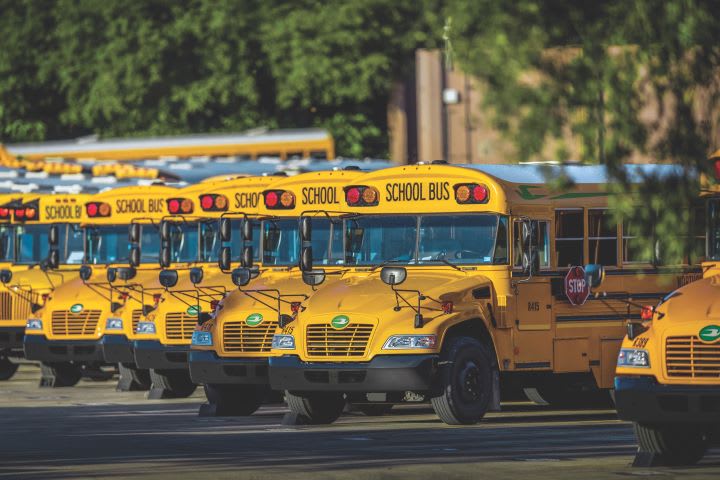
According to PERC, propane autogas buses reduce harmful nitrogen-oxide (NOx) emissions by 96%.
Photo: PERC
2 min to read
Recently released details on the U.S. Environmental Protection Agency’s Clean School Bus Program provide an opportunity for school transportation directors to drastically reduce emissions in their fleet with low- and zero-emission school buses. For every propane autogas bus purchased through the program, the EPA will provide transportation directors with up to $30,000 in rebates.
The program, which will award $5 billion over the next five years to replace existing buses with clean options, will prioritize high-need, low-income, rural, and tribal school districts. As an affordable, available energy source that provides fleets with a range of up to 400 miles on a single refuel, propane autogas may prove ideal for each of these prioritized categories.
“The goal of this program is to ensure energy equity by removing as many aging, dirty diesel buses from the road as quickly as possible in areas that have been historically underserved,” said Stephen Whaley, director of autogas business development with the Propane Education & Research Council. “The fastest and most cost-effective way to achieve that goal is with propane autogas. Propane offers the lowest total cost-of-ownership, providing savings a school district will see year-over-year. That’s how we revolutionize clean student transportation.”
In addition to low vehicle and fuel costs, propane autogas infrastructure is also inexpensive. The cost to purchase and install refueling equipment for a fleet of medium- or heavy-duty propane autogas vehicles is a small fraction of the cost to purchase and install fast charger equipment for charging a comparable electric vehicle fleet in a comparable time frame. In many cases, propane autogas suppliers will lease the infrastructure to transportation directors at a low cost in exchange for a mutually beneficial fuel contract.
By combining these low costs with propane’s clean benefits, school districts can more quickly reduce emissions in their fleet. Propane autogas buses reduce harmful nitrogen-oxide (NOx) emissions by 96% and have virtually zero particulate matter emissions. Additionally, propane autogas also offers a lower cost-per-pound to reduce greenhouse gases than comparable EV school buses.
In the first round of funding, the EPA expects to award $500 million in rebates. School transportation directors interested in taking advantage of the funding should create an account on sam.gov as soon as possible to ensure they will be able to apply for the rebates.
More Alternative Fuels
Bipartisan Bill Seeks to Extend Clean School Bus Program Through 2031
The proposed legislation would renew federal support for cleaner school buses as districts navigate funding uncertainty, rising fuel and infrastructure costs, and fleet replacement needs.
Read More →
Alt-Fuel Moves: Electric Bus Rollouts, Bidirectional Charging & Propane Growth
See which fleets are adding electric and propane school buses as districts and operators invest in charging infrastructure, bidirectional technology, and alternative-fuel expansion.
Read More →
Nobody Told Diesel Prices They Were Supposed to Come Down
With diesel prices surging, school bus fleets have new reason to stress-test fuel costs, consider diversification, and calculate what each route really costs to operate.
Read More →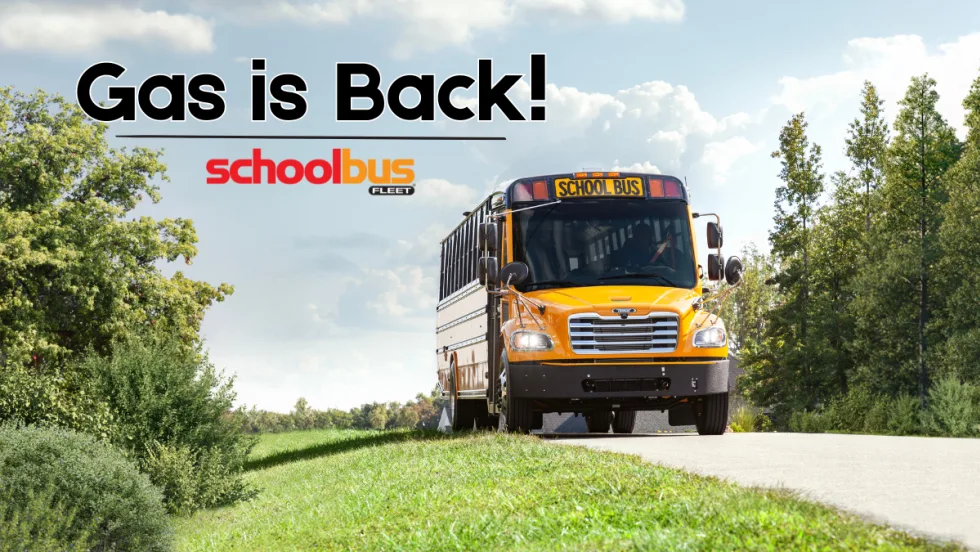
Why Gasoline School Buses Are Making a Comeback
Gasoline is gaining ground in full-size school buses. See how today’s options stack up against diesel on cost, maintenance, emissions, performance, and more.
Read More →
EPA Opens $180M DERA Funding Round for Diesel Upgrades
The 2026 Diesel Emissions Reduction Act program seeks applications from eligible organizations to accelerate the retirement of legacy diesel vehicles.
Read More →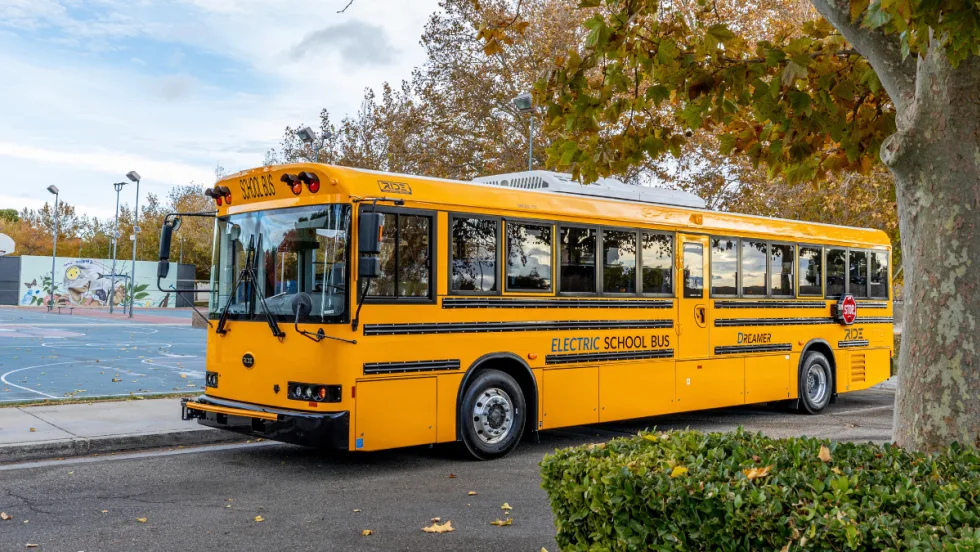
The Secret Life of an Electric School Bus Battery
Batteries change throughout years of daily routes, but degradation doesn’t necessarily mean the end. Here’s what operators should know about performance, safety, and second life.
Read More →
CALSTART and Forth Combine to Form Catalyst Mobility
The new name represents a renewed vision for the nonprofit focused on advancing clean, equitable, and affordable transportation solutions that move people and goods.
Read More →
Alt-Fuel Moves: New Buses, Charging Hubs & Real-World EV Testing
Propane and electric school bus deployments continue to grow as districts add new vehicles, expand charging infrastructure, and gather more real-world operating data.
Read More →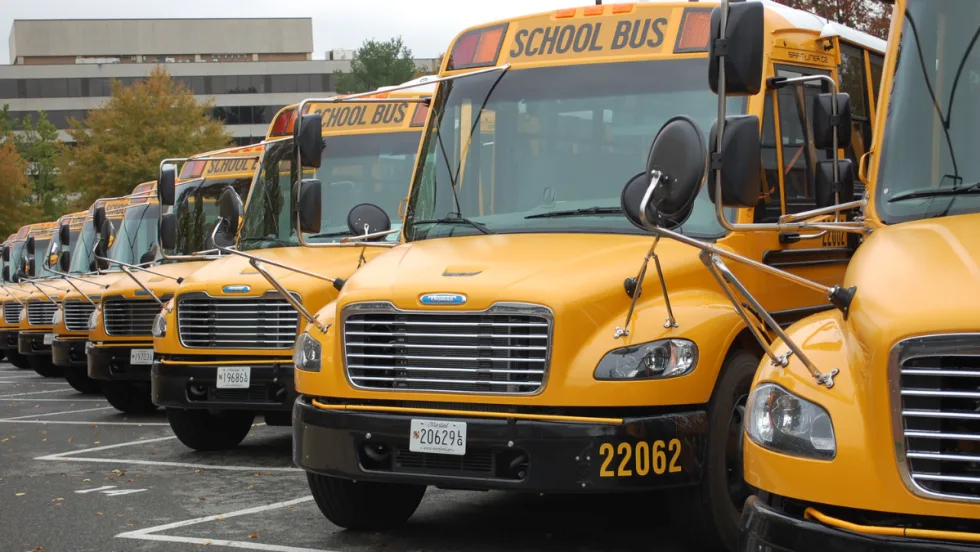
Fewer Electric School Bus Models Reshape the U.S. Market
WRI’s latest buyer’s guide points to a consolidating electric school bus market, but fewer options may reflect a maturing industry rather than fewer meaningful choices for school bus operators.
Read More →
The Fuel Budget You Can Actually Predict: How Propane Autogas Keeps Money in the Classroom
Learn how propane autogas helps school districts manage fuel costs with predictable pricing, lower maintenance, and reduced emissions from former transportation director Joel Stutheit.
Read More →