





Related: NSTA Advocacy in Action — Advocacy is a Journey, Not a Destination
NSTA Applauds U.S. Senate’s Passage of, School Transportation Funding in CARES Act
The Coronavirus Aid, Relief, and Economic Security Act includes $30.75 billion for an "Education Stabilization Fund" for states, school districts, and institutions of higher education for costs related to the COVID-19 pandemic.
March 26, 2020
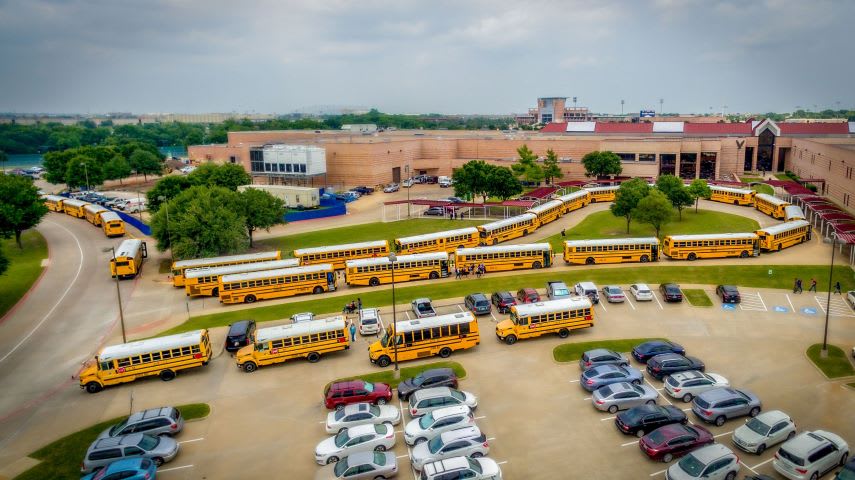
The CARES Act includes $30.75 billion for an "Education Stabilization Fund" for states, school districts, and institutions of higher education for costs related to the COVID-19 pandemic. File photo courtesy Mitzi Bowers
3 min to read
The CARES Act includes $30.75 billion for an "Education Stabilization Fund" for states, school districts, and institutions of higher education for costs related to the COVID-19 pandemic. File photo courtesy Mitzi Bowers
WASHINGTON, D.C. — The National School Transportation Association (NSTA) applauded the U.S. Senate’s passage of the Coronavirus Aid, Relief, and Economic Security (CARES) Act on Thursday, particularly a provision designed to help pupil transporters.
The legislation comprising the $2 trillion stimulus bill, which was the subject of intense negotiations over the past week, cleared the Senate by a 96-0 vote in early Thursday morning. It now heads to the House of Representatives, where it is expected to pass tomorrow and head to President Trump’s desk for signature.
A key provision, designed specifically due to NSTA expressing and elevating concerns about continuing contractual payments to school bus operators, was included in the bill, according to a news release from the NSTA.
Overall, the bill provides $30.75 billion for an "Education Stabilization Fund" for states, school districts, and institutions of higher education for costs related to the COVID-19 pandemic. Of that, $13.5 billion is allocated for elementary and secondary education schools, distributed through states.
Of note in the provision is a condition on receipt of the funding: “A local educational agency, state, institution of higher education, or other entity that receives funds under ‘Education Stabilization Fund,’ shall to the greatest extent practicable, continue to pay its employees and contractors during the period of any disruptions or closures related to Coronavirus.” [Section 18006]
At the onset of the COVID-19 crisis, NSTA vigorously pursued support for the student transportation industry by asking U.S. Education Secretary Betsy DeVos and 50 state governors to immediately require school districts to fund pupil transportation contracts through the conclusion of the COVID-19 pandemic.
NSTA Executive Director Curt Macysyn said that the organization continued to work with governors, state departments of transportation and education, Congress, and the Trump administration to craft a workable resolution that could provide relief for hundreds of thousands of school bus drivers, mechanics, dispatchers, and office support staff and preserves the capacity of private student transportation to re-engage immediately after the crisis is resolved.
“NSTA heard from many of its members that school districts may not feel empowered to act unilaterally and were seeking guidance on making continued payments to school bus contractors and others,” Macysyn said. “This bill provides that guidance, as the clear legislative intent is for schools and school districts to continue to pay their employees, and to maintain relationships with and continue to pay their contractors throughout the conclusion of the school closures related to the COVID-19 health crisis.”
Macysyn added that maintaining relationships with school districts allows contractors to continue paying employees and stay solvent and will reassure districts that contractors will have the staff to begin service again when it is needed.
The NSTA said in the news release that it activated its grassroots network and successfully engaged with federal legislators to clearly and effectively communicate the plight of the industry. Because of the current circumstance, with the U.S. Capitol Building closed, the organization emphasized a virtual approach that resonated in the nation’s capital.
The association also thanked “the many Senators and House members, as well as staff members, who supported our efforts in the legislative process. We also applaud the Trump Administration for taking decisive action during this crisis.”
“The CARES Act was passed primarily to maintain the employer-employee relationship across the public and private educational transportation sectors, through the conclusion of the COVID-19 health crisis,” Macysyn said. “We believe this guidance from Congress provides the necessary support that school districts need to continue to pay for student transportation expenditures during this period of disruption.”
More Management

EverDriven Launches Route Consolidation Calculator to Estimate Diesel Savings
As diesel prices hit record highs, the largest alternative transportation provider says a 10% route consolidation could save a 120-route district more than $78,000 a year in fuel alone.
Read More →
Zum Secures Continued Financing Support for School Bus Expansion
Generate Private Credit has financed approximately $75 million in school bus deployments across three states, supporting more than 500 buses as Zum expands across the county.
Read More →
Beyond Discipline: A Different Approach to Student Behavior on the Bus
After implementing a dean of students program in Oregon, North Clackamas is seeing positive improvements. Here’s how it worked. The Route is brought to you by IC Bus.
Read More →
A Dean of Transportation's Different Approach to Student Behavior on the School Bus
After implementing a dean of students program in Oregon, North Clackamas is seeing positive improvements on the bus. Here’s how it worked.
Read More →
Inside NAPT ACTS 2026: Highlights from Louisville
From federal updates and student behavior strategies to new school bus technology and industry awards, see highlights from NAPT ACTS 2026 in Louisville.
Read More →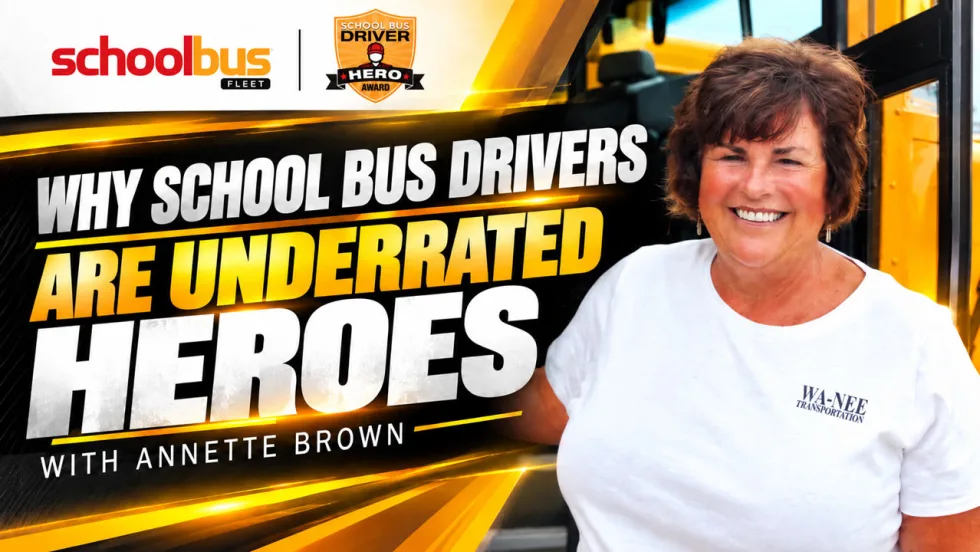
Meet the 2025 School Bus Driver Hero Winner: Annette Brown
We caught up with Wa-Nee Community Schools' Annette Brown on site at SBFX, where she was named the 2026 School Bus Driver Hero Award winner. Hear about her reaction, what she loves most about being a school bus driver, and more!
Read More →
Predictability Is Like Ketchup (According to 6-Year-Olds)
To students, a different school bus can feel like a full-blown crisis. One driver reflects on why familiar routines, showing up on time, and being reliably boring matter more than we think.
Read More →
Samsara Launches Free Driver Rewards Program
The new Driver Perks program gives eligible professional drivers access to discounts and offers without adding a cost for participating fleets.
Read More →
How Tax-Exempt Municipal Leases Can Help Finance School Buses
Let’s explore school bus financing options, including municipal leases, vendor payable accounts, and balloon payments, and how they can help stretch fleet budgets.
Read More →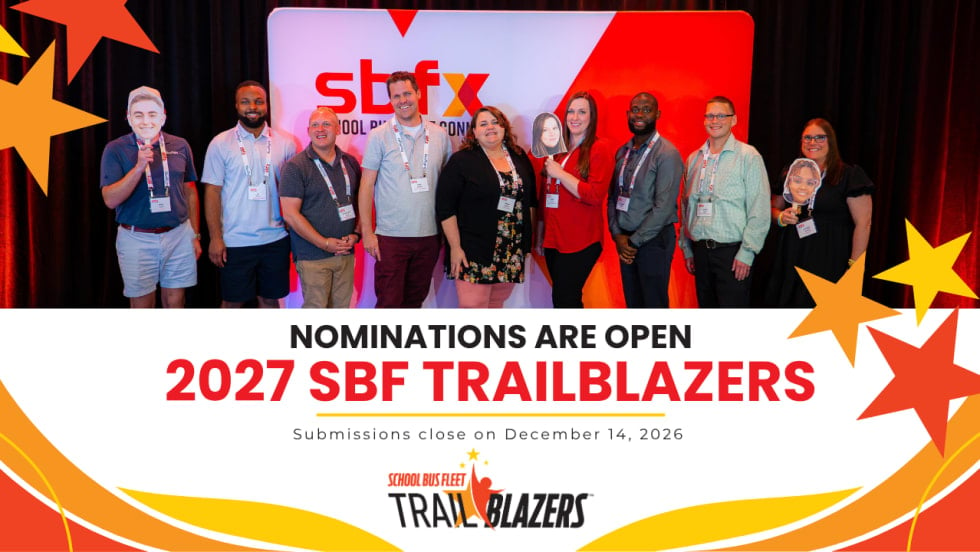
Nominate Rising School Transportation Pros Under 40!
We’re searching for the next generation of leaders making an impact across the K-12 student transportation industry to recognize as SBF’s 2027 Trailblazers. Nominations are open now!
Read More →