




Utah, Minnesota Seek to Require Seat Belts on New School Buses
Lawmakers consider legislation that would require school buses purchased after a certain date to be equipped with seat belts.

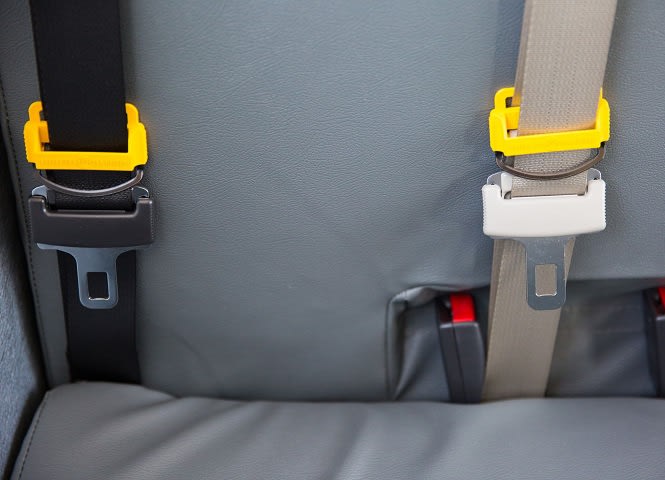
Lawmakers in Utah and Minnesota are considering legislation that would require school buses purchased after a certain date to be equipped with seat belts. Photo courtesy Des Moines (Iowa) Public Schools
Lawmakers in Utah and Minnesota are considering legislation that would require school buses purchased after a certain date to be equipped with seat belts. Photo courtesy Des Moines (Iowa) Public Schools
SALT LAKE CITY, Utah and DULUTH, Minn. — Lawmakers in Utah and Minnesota are seeking to pass legislation that would require seat belts on all new school buses purchased after a certain date.
In Utah, House Bill 168, sponsored by Rep. Craig Hall, would require all school buses purchased after June 30, 2020, to be equipped with seat belts. The House Transportation Committee approved the bill’s passage in a 7-4 vote on Friday, according to the state’s legislature website.
As SBF previously reported, Hall introduced a similar bill in 2017 that required seat belts on all new school buses. However, the bill was defeated in the House by a 30-40 vote due to cost concerns and calls for more data to prove the advantages of seat belts on school buses, The Deseret Newsreports.
Hall told the newspaper that now there is more national data indicating the safety of seat belts, specifically pointing to the National Transportation Safety Board’s recommendation to mandate lap-shoulder seat belts for all new school buses. He added that it costs about twice as much to retrofit a school bus to install seat belts than it does to purchase a new bus. Because of that, the bill only requires school districts to phase in seat belts over time.
A fiscal note on the bill estimates that, while it would likely not impact state expenses, the bill would require school districts to spend an additional $12,000 per new bus purchased with seat belts, for an estimated yearly cost of about $2 million for an average of 180 buses replaced annually. House Bill 168 has currently been assigned to the full House, according to the state’s legislative website.
Meanwhile, a lawmaker in Minnesota recently introduced legislation that would require all new school buses to have seat belts.
Senate File 429, introduced by Sen. Erik Simonson on Jan. 24, would require all school buses purchased after December 31, 2019, to be equipped with approved lap-shoulder belts.
Simonson told The West Central Tribune that there are “relatively few injuries/deaths attributed to school bus accidents,” but that shouldn’t be a reason for the state not to require seat belts on school buses. Simonson added that the cost to install the seat belts is “worth it,” and noted other concerns about installing the seat belts similar to those made “when belts became mandatory in passenger cars.”
Senate File 429 has been referred to the Senate Transportation Finance and Policy Subcommittee, and its companion bill, House File 196, which was introduced to the House on Jan. 17, has been referred to the House Education Policy Committee.
More Safety
Illegal School Bus Passing Drops 24% in New York Districts
With fewer than 5% of citations involving repeat offenders, Westchester County officials said enforcement, education, and community partnerships are helping change driver behavior.
Read More →
School's Back. Here's What Happened to Traffic, Speeding & Distraction
What happens to traffic when school resumes? New data analysis examines changes in distracted driving, congestion, and speeding around schools.
Read More →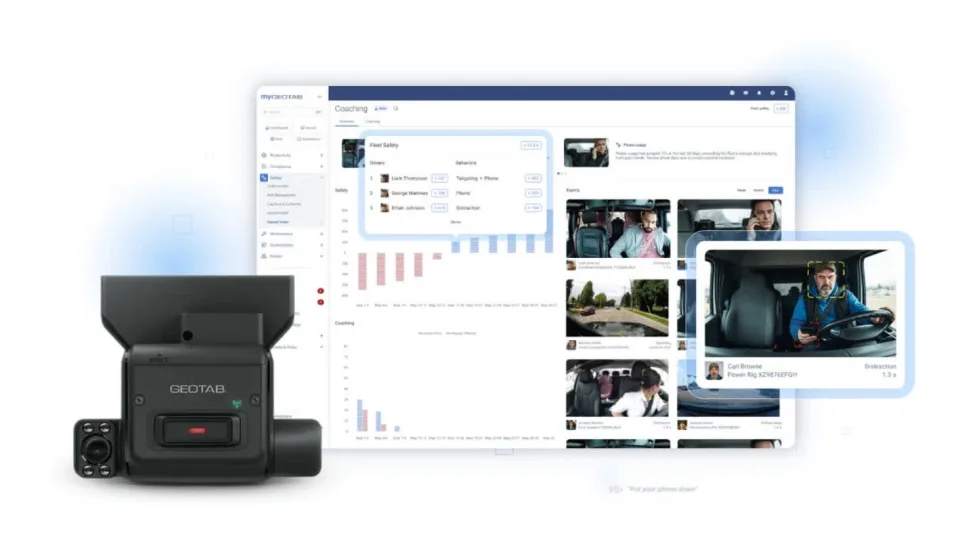
Geotab Expands Fleet Safety Tools With Video Coaching, Risk Insights
New safety and video capabilities aim to help fleet managers assess risk, support drivers, and take targeted action through video coaching, red-light violation detection, and more.
Read More →
How to Build a Better School Bus Driver Training Program
Is it time to strengthen your driver training? Here’s how to pick the right talent and improve recruitment, retention, and safety. This video is brought to you by IC Bus.
Read More →
Recent School Bus Accidents Leave 2 Dead, 2 Injured
Four school bus crashes in Florida, Illinois, and Georgia highlight risks in transportation lots, at bus stops, and during student loading and unloading.
Read More →
When Every Second Matters, Clarity Keeps Routes Moving
From routine delays to urgent incidents, strong communication practices help drivers, dispatchers, schools, and families respond with confidence.
Read More →
What Happens When a School Bus Catches Fire — and What Can Help
School bus fires are rare but can be devastating. Learn how advances in fire suppression and asset protection help fleets detect fires earlier, reduce damage, and improve safety.
Read More →
Geotab Launches Tool to Help Fleets Investigate Road Incidents
Geotab Investigations combines telematics data, video, documents, and other evidence to help fleets reconstruct incidents, resolve claims, and determine what happened.
Read More →
Texas Sixth Grader Wins 2026 National School Bus Safety Poster Contest
Sai Darshana Yekolu of Moseley Middle School in Prosper, Texas, was named the newest winner for her artwork, bringing the theme of “Safe Rides, Everyday Heroes” to life.
Read More →
Doing More With Less: How Transportation Directors Can Prioritize Safety Amid Budget Uncertainty
With diesel prices soaring and nearly one-third of transportation directors expecting budget cuts, maintaining student safety has never been more challenging. Download this guide to learn how leading districts are prioritizing risk, funding critical safety technology, and building stronger budget cases with data.
Read More →