




IC Bus Offers Full View Camera Technology by Rosco
Engineers from IC Bus and Rosco Vision Systems co-developed the system, which the companies say reduces blind spots around the school bus.


The IC Bus Full View Camera Technology by Rosco can reduce blind spots around the school bus, according to the companies.
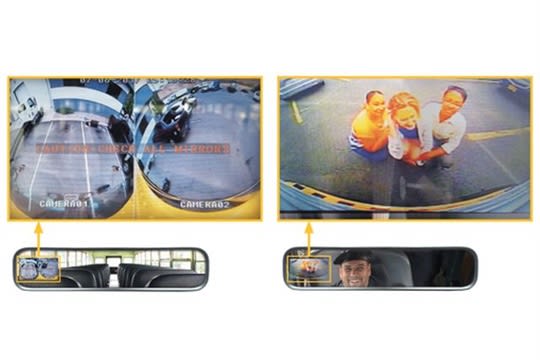
The IC Bus Full View Camera Technology by Rosco can reduce blind spots around the school bus, according to the companies.
LISLE, Ill. — IC Bus now offers customers a purpose-built school bus camera system that is designed to enhance the driver’s view around the bus.
The IC Bus Full View Camera Technology by Rosco is now available for customers to order. The camera package is customizable on CE Series and RE Series buses.
Trish Reed, vice president and general manager of IC Bus, said that the OEM’s engineers worked with their counterparts at Rosco Vision Systems to co-develop a camera solution specific to the needs of the school bus driver and the industry.
“We co-designed a unique product for IC Bus that transcends ‘off-the-shelf’ automotive solutions that do not address the blind spots of a large commercial vehicle,” said Trish Reed, vice president and general manager of IC Bus. “Instead, we focused on providing a visual safety solution that offers the driver the best views to make the job of driving a school bus easier and safer.”
According to the companies, the IC Bus Full View Camera Technology by Rosco features technology to reduce blind spots around the school bus. The equipment also provides the driver with pertinent information and danger zone views based on any driving scenario.
Customers can choose from several options for the monitor, such as having it integrated in the rearview mirror or positioned as a separate, free-standing monitor.
More Safety
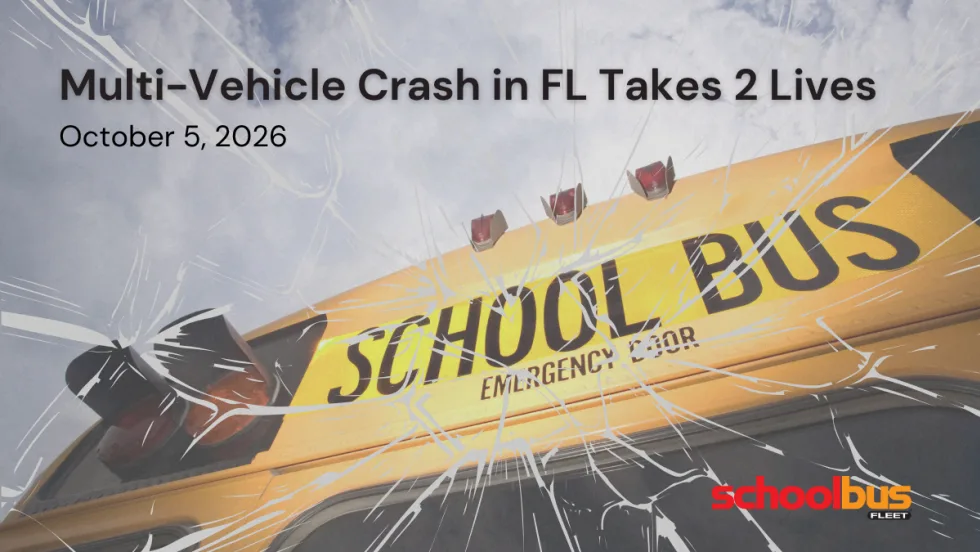
2 Killed, Dozens Injured in Florida School Bus Crash
A multi-vehicle collision caused a Polk County school bus carrying 37 students to overturn on its way to Winter Haven High School.
Read More →
Illegal School Bus Passing Drops 24% in New York Districts
With fewer than 5% of citations involving repeat offenders, Westchester County officials said enforcement, education, and community partnerships are helping change driver behavior.
Read More →
School's Back. Here's What Happened to Traffic, Speeding & Distraction
What happens to traffic when school resumes? New data analysis examines changes in distracted driving, congestion, and speeding around schools.
Read More →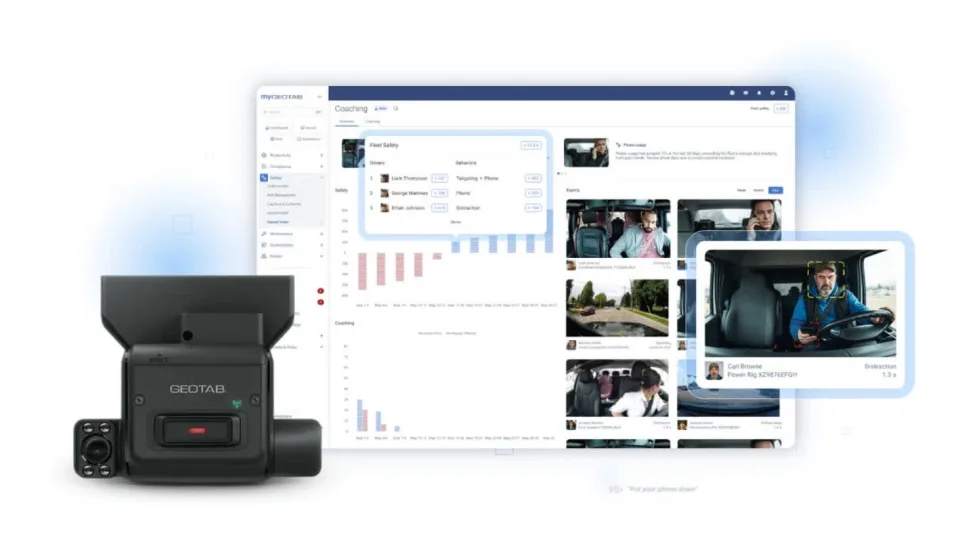
Geotab Expands Fleet Safety Tools With Video Coaching, Risk Insights
New safety and video capabilities aim to help fleet managers assess risk, support drivers, and take targeted action through video coaching, red-light violation detection, and more.
Read More →
How to Build a Better School Bus Driver Training Program
Is it time to strengthen your driver training? Here’s how to pick the right talent and improve recruitment, retention, and safety. This video is brought to you by IC Bus.
Read More →
Recent School Bus Accidents Leave 2 Dead, 2 Injured
Four school bus crashes in Florida, Illinois, and Georgia highlight risks in transportation lots, at bus stops, and during student loading and unloading.
Read More →
When Every Second Matters, Clarity Keeps Routes Moving
From routine delays to urgent incidents, strong communication practices help drivers, dispatchers, schools, and families respond with confidence.
Read More →
What Happens When a School Bus Catches Fire — and What Can Help
School bus fires are rare but can be devastating. Learn how advances in fire suppression and asset protection help fleets detect fires earlier, reduce damage, and improve safety.
Read More →
Geotab Launches Tool to Help Fleets Investigate Road Incidents
Geotab Investigations combines telematics data, video, documents, and other evidence to help fleets reconstruct incidents, resolve claims, and determine what happened.
Read More →
Texas Sixth Grader Wins 2026 National School Bus Safety Poster Contest
Sai Darshana Yekolu of Moseley Middle School in Prosper, Texas, was named the newest winner for her artwork, bringing the theme of “Safe Rides, Everyday Heroes” to life.
Read More →