NTSB official highlights dangers of driver fatigue
While the “spring forward” clock change creates a national sleep debt and leads to a spike in auto crashes, driver fatigue is a “life-threatening concern” at all times of the year, Mark Rosekind writes in a National Transportation Safety Board blog post.
Thomas McMahon・Executive Editor
March 12, 2013
2 min to read
Mark Rosekind is a National Transportation Safety Board member and an expert in sleep and fatigue science.
While the “spring forward” clock change creates a national sleep debt and leads to a spike in auto crashes, driver fatigue is a “life-threatening concern” at all times of the year, a federal safety official writes.
In a National Transportation Safety Board (NTSB) blog entry posted on Thursday, Mark Rosekind, an NTSB member and an expert in sleep and fatigue science, highlights the dangers of driver fatigue after the switch to Daylight Saving Time and beyond.
Ad Loading...
On the Monday after the time change, there is a 17% increase in crashes on the nation’s roadways, according to Rosekind.
Throughout each year, he notes, an estimated 1 million highway crashes and near-misses are likely related to fatigue.
“Perhaps the most basic requirement for safely operating any vehicle is to be awake, and though necessary, just being awake is not sufficient,” Rosekind writes. “Safe travel requires every vehicle operator to have obtained optimal sleep and be wide-awake and maximally alert, every time.”
Rosekind points to a deadly accident near Miami, Okla., three years ago in which 10 people died when a truck plowed into seven cars and caused a massive pile-up.
“The driver suffered from a deadly combination of an altered work schedule, acute sleep loss and sleep apnea,” Rosekind writes. “He never even touched the brakes.”
Ad Loading...
The NTSB member also discusses actions that his agency and federal regulators have taken, adding that “reducing fatigue risks in transportation is everyone’s ongoing responsibility: companies, the government, individual operators and travel consumers.”
Driver shortages, safety expectations, and staffing limits define student transportation in 2026. New survey data shows how fleet leaders are responding.
The federal agency's report asks NHTSA to require all new school buses to be equipped with vehicle-integrated alcohol detection systems and passenger lap-shoulder belts.
Student transportation teams are being asked to do more with less, facing driver shortages, rising costs, and increasing safety expectations. This report uncovers how fleets are adapting, where technology is making the biggest impact, and why student ridership tracking is emerging as a top priority. Download the report to explore the key trends shaping 2026 and what they mean for your operation.
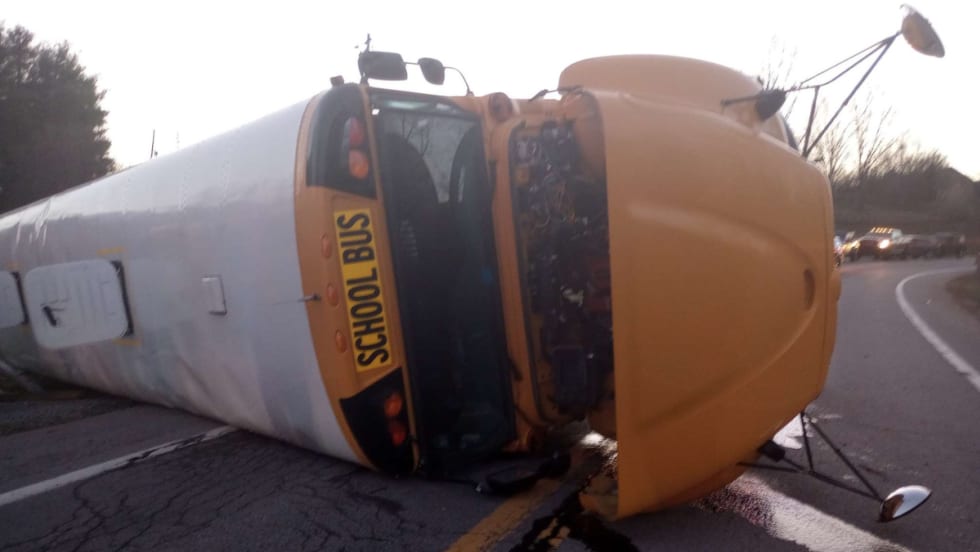
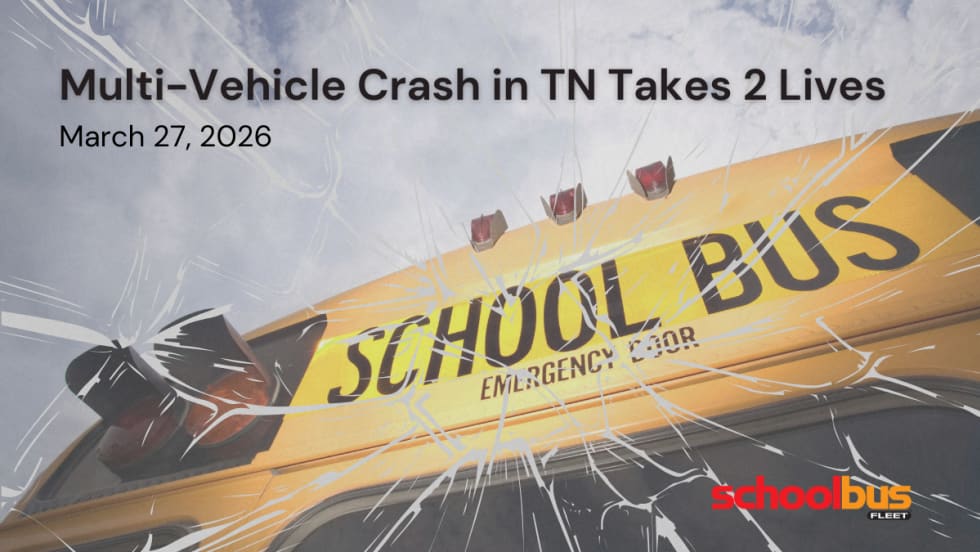
A Carroll County accident claimed the lives of two students and injured over a dozen others on a March 27 field trip for eighth graders at Clarksville-Montgomery County. A preliminary report adds new information to the story.
From driver shortage solutions in Tennessee and rural connectivity debates in Utah to new safety laws in Wisconsin and ongoing electric bus mandate discussions in New York and Connecticut, here’s the latest in school bus legislation across the U.S.
Waymo’s self-driving vehicles are under fire again after repeated school bus passing violations, raising questions about safety, remote operators, and regulation.
Distracted driving continues to pose serious risks in school zones, with new data and driver insights highlighting ongoing concerns and potential solutions to improve student and roadway safety.
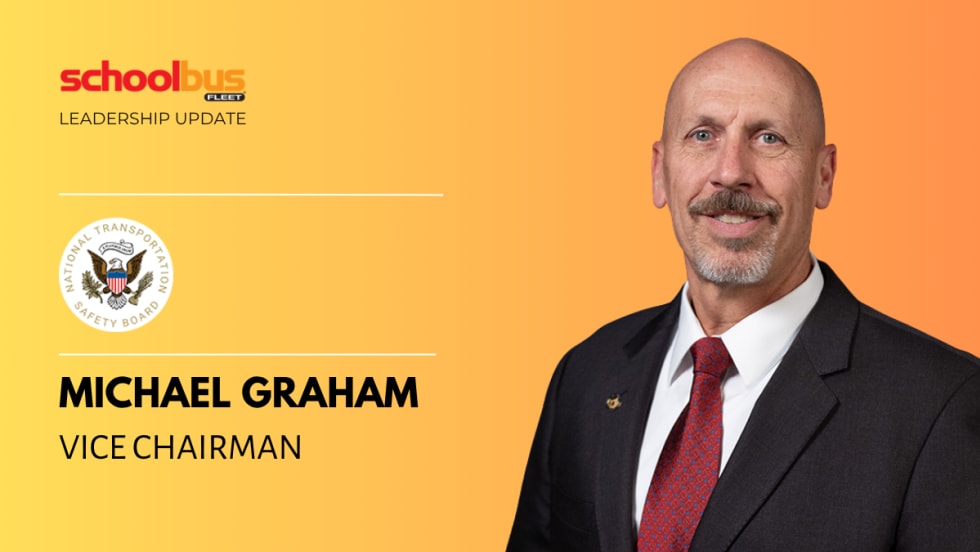
A former airline pilot has stepped into a new role at the independent federal agency, but where does he stand on issues like seat belts on school buses? Here’s what he’s said.
Two recent close calls at railroad crossings, a train clipping a bus and a rear-end crash, highlight why vigilance and training still matter. Here’s what happened and what to tell your own drivers.
The federal agency's proposed rulemaking would eliminate the requirement for school buses to come to a complete stop at railroad crossings if the warning device is not activated. The goal: to improve traffic flow and save costs. With new data released, public comment is open through April 27, 2026.