Communities in Washington state and neighboring British Columbia recently marked anniversaries of severe school bus accidents that profoundly affected their residents.
Both tragedies occurred in late November in the mid-20th century.
 MENU
MENU SEARCH
In Washington state in 1945, 15 children and their driver died when their bus plunged into a frigid lake. In British Columbia in 1960, a bus was struck by a freight train, killing 17 people on board.

15 children and their driver died when their bus plunged into frigid Lake Chelan in 1945.
Communities in Washington state and neighboring British Columbia recently marked anniversaries of severe school bus accidents that profoundly affected their residents.
Both tragedies occurred in late November in the mid-20th century.
In Chelan, Wash., 15 children and their driver died when their bus plunged into a frigid lake on Nov. 26, 1945.
A Wenatchee Worldarticle describes how the accident impacted the victims' families as well as others throughout the Lake Chelan Valley.
About 700 people attended a memorial service, and a small park and monument were built where the bus went into the water.
Marci Hale, who was born after her brothers were killed in the accident, recently told the Wenatchee World about how she is touched by the toys and money that people leave at the memorial.
"People do stop, and it does mean something to them," Hale told the newspaper.
Fifteen years after the Lake Chelan tragedy, a school bus in Lamont, British Columbia, was struck by a freight train while crossing tracks, killing 17 people on board.
On Saturday, locals gathered to remember the victims of the Nov. 29, 1960, crash.
In a Global Newsarticle survivors discuss their memories of the tragedy.
"I suppose I never did come to terms with it," Alice Sutherland, who suffered three skull fractures, recently told the news source. "The next thing I knew, I was climbing out of a piece of rubble that was the back of the bus."
Veronica Tovell, who also spent several weeks in the hospital after the crash, told Global News that "it was something you didn't discuss back then. It was put on the backburner, and time will heal."
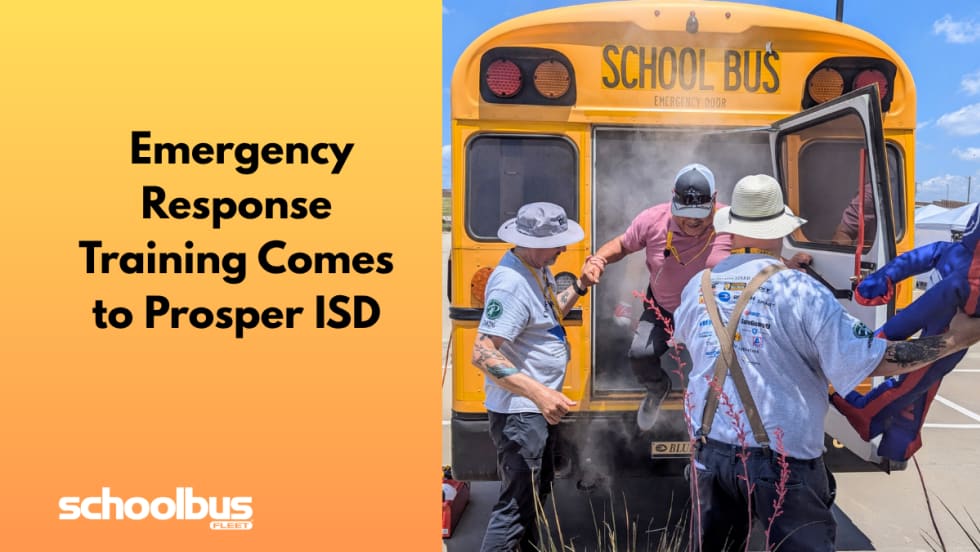
Prosper ISD hosted the third annual training for transportation professionals across 67 districts to learn how to respond to emergencies, such as rollovers and evacuations, and proper use of safety equipment.
Read More →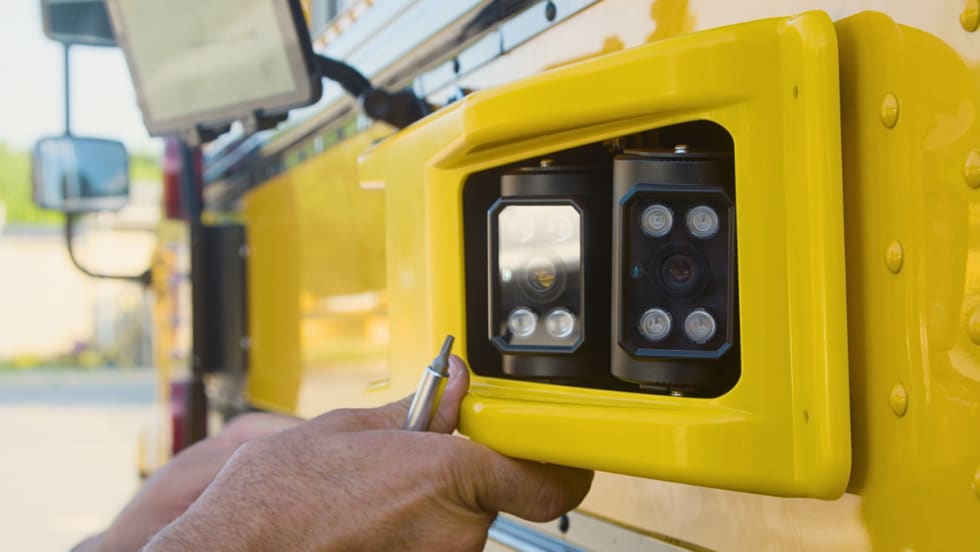
After being suspended over due process concerns, Miami-Dade schools and law enforcement are restarting the AI-powered stop-arm camera program with new oversight.
Read More →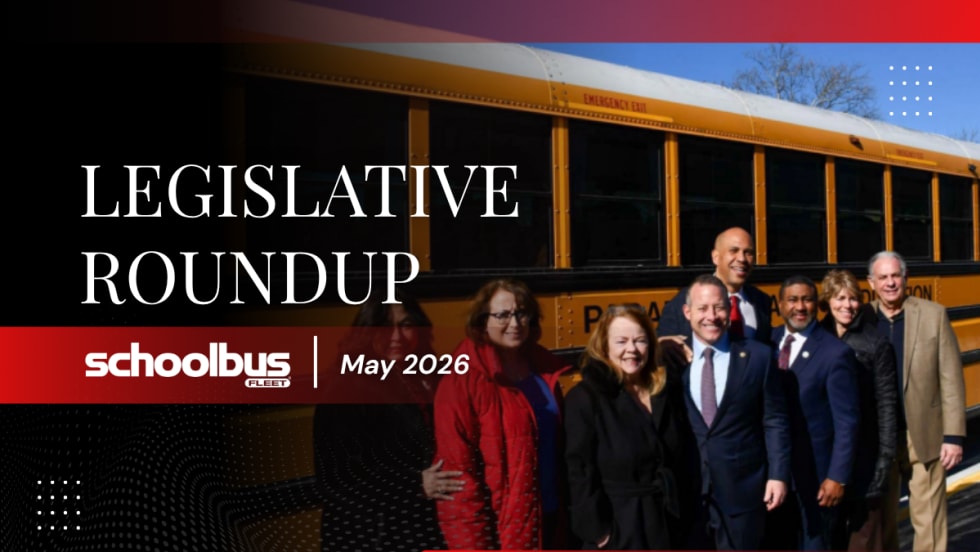
From national bills on seat belts and driver oversight to driver awareness campaigns referencing “Finn’s Rule” and ongoing transportation funding debates in Alaska, here’s the latest in school bus legislation across the U.S.
Read More →
A Williamsburg community is mourning after a child was fatally struck by a private yeshiva bus, prompting calls for urgent safety improvements at the high-traffic crossing.
Read More →
The new data shows 99.99% incident-free trips and strong on-time performance, reinforcing how dependable transportation, especially for vulnerable student populations, can help districts combat chronic absenteeism.
Read More →
Driver shortages, safety expectations, and staffing limits define student transportation in 2026. New survey data shows how fleet leaders are responding.
Read More →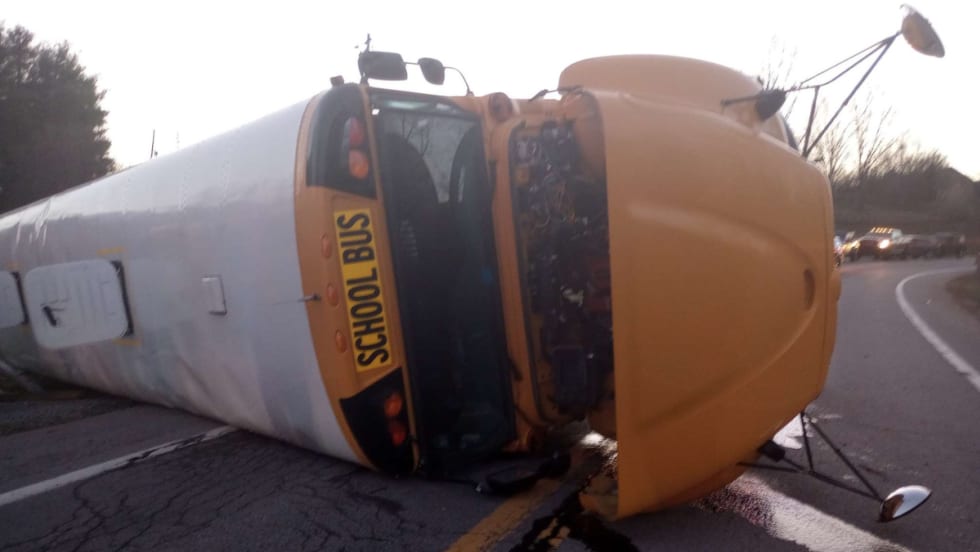
The federal agency's report asks NHTSA to require all new school buses to be equipped with vehicle-integrated alcohol detection systems and passenger lap-shoulder belts.
Read More →
Student transportation teams are being asked to do more with less, facing driver shortages, rising costs, and increasing safety expectations. This report uncovers how fleets are adapting, where technology is making the biggest impact, and why student ridership tracking is emerging as a top priority. Download the report to explore the key trends shaping 2026 and what they mean for your operation.
Read More →
A Carroll County accident claimed the lives of two students and injured over a dozen others on a March 27 field trip for eighth graders at Clarksville-Montgomery County. A preliminary report adds new information to the story.
Read More →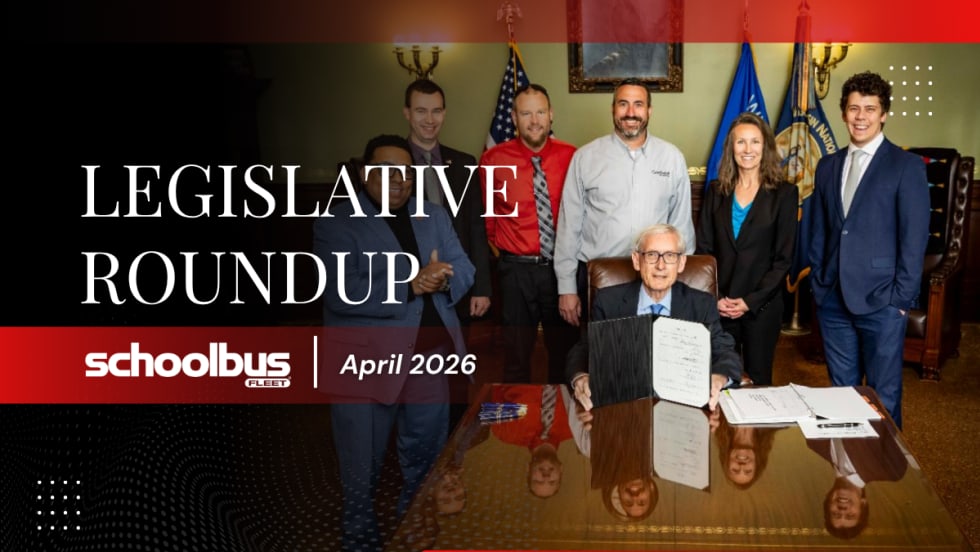
From driver shortage solutions in Tennessee and rural connectivity debates in Utah to new safety laws in Wisconsin and ongoing electric bus mandate discussions in New York and Connecticut, here’s the latest in school bus legislation across the U.S.
Read More →