


 MENU
MENU SEARCHMENUSEARCH
School bus industry associations can help pupil transportation leaders work together to help keep students on the safest mode of transportation: the yellow bus.
Read More →
Knowing which responses to difficult behaviors are escalators of the situation and which are de-escalators is the key to crisis intervention and conflict management.
Read More →
From promoting safe connectivity for students to integrating Internet of Things capabilities, mobile connectivity solutions suppliers discuss how school bus Wi-Fi is changing the course of pupil transportation.
Read More →
Adam Mayo, transportation director for Maine School Administrative District No. 75, discusses driver shortage, getting involved in the legislation process, and heading up the Maine Association for Pupil Transportation.
Read More →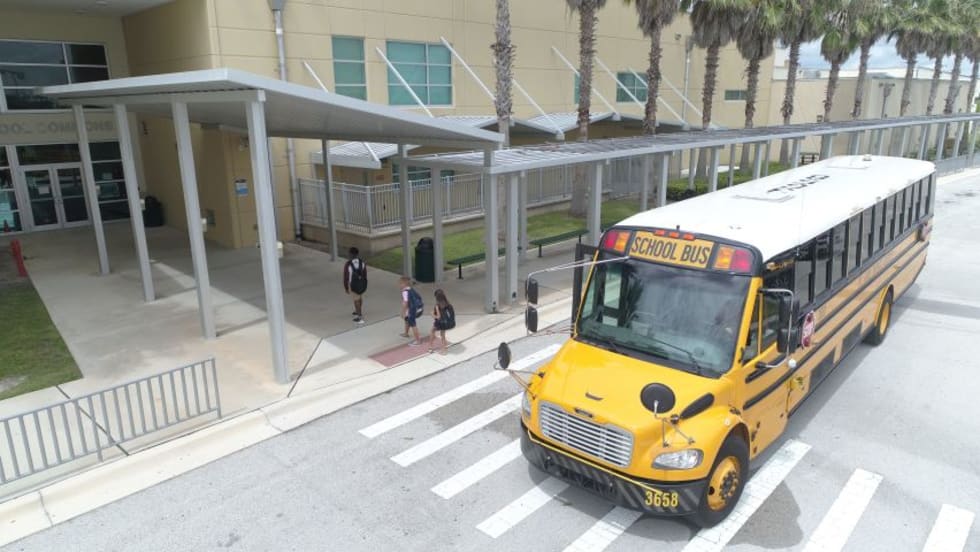
Explore tips for school bus routing, driver training, fleet maintenance, dry runs, and parent communication, for a strong start to the new school year from industry experts.
Read More →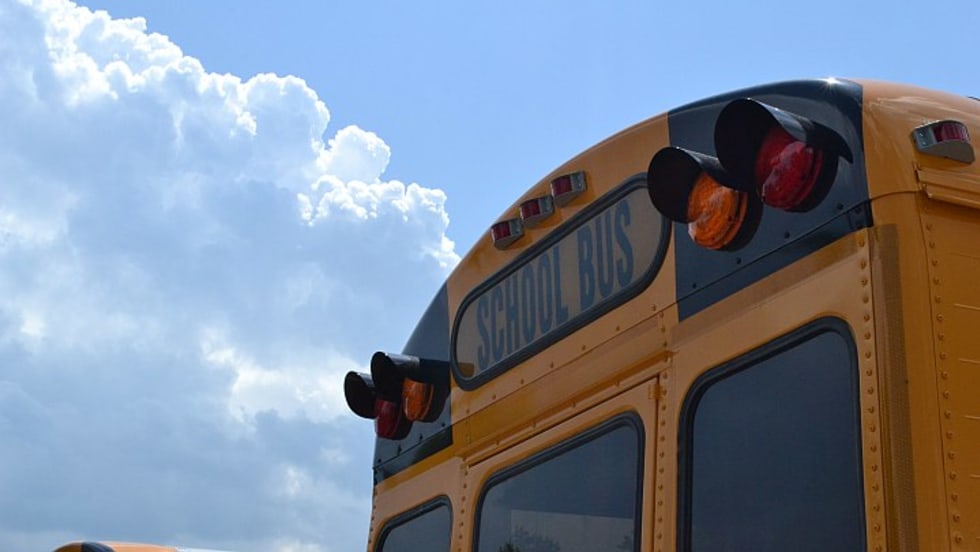
Districts need more financial support not only to ensure they have enough drivers, but safe, reliable buses for them to drive as well.
Read More →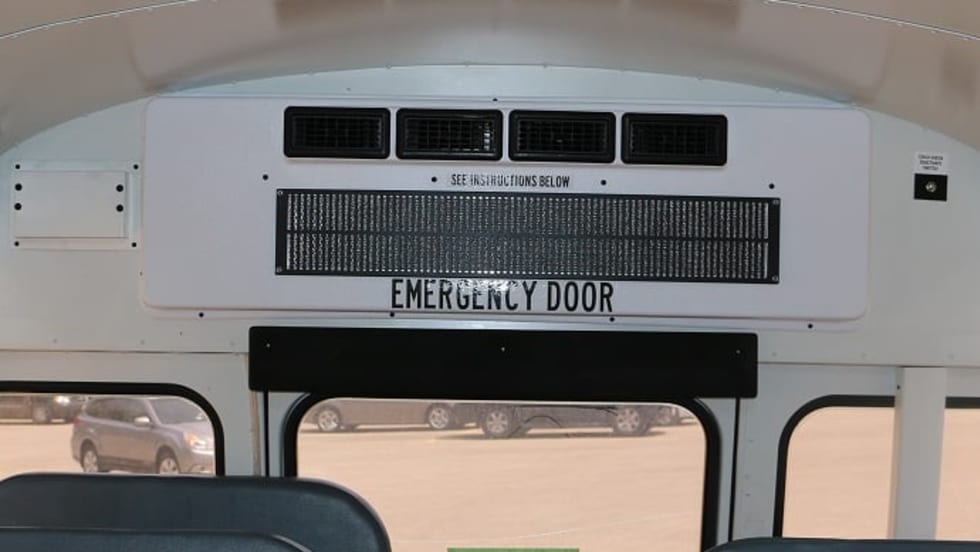
Equipment options ranging from three-unit air-conditioning systems to roof-mount and electric applications are designed to enhance reliability and cooling efficiency for school bus fleets.
Read More →
Taking a personal approach, avoiding a punitive tone, and providing handouts in a well-documented retraining program can help get struggling school bus drivers on track.
Read More →
More than 50 NSTA members traveled to Washington, D.C., in support of the Stop for School Buses Act. As a result, many legislators have signed on to support the bill’s passage.
Read More →
Wausau (Wis.) School District and First Student work together to bring Positive Behavior Interventions and Supports to the school bus. Driver-student relationships improve considerably as well as communication between the district and bus company.
Read More →