




5 Questions: Chris Llewellyn on Propane Benefits, Mitigating Tech Shortage
Chris Llewellyn, divisional maintenance manager for Pacific Western Transportation, discusses how the company has seen lowered fuel costs and reduced emissions from running the largest propane-powered fleet in Canada, as well as minimal technician shortage.


Chris Llewellyn says that the student transportation industry is “ever-changing and continually progressing. This advancement makes for an exciting, fulfilling career that has never felt stagnant.”

Chris Llewellyn says that the student transportation industry is “ever-changing and continually progressing. This advancement makes for an exciting, fulfilling career that has never felt stagnant.”
Having begun his vehicle maintenance career while not quite out of high school, Chris Llewellyn, divisional maintenance manager for Calgary, Alberta-based Pacific Western Transportation, moved into the student transportation aspect of maintenance a little over seven years ago and hasn’t looked back.
In this interview with SBF, Llewellyn discusses how Pacific Western Transportation has seen lowered fuel costs, reduced emissions, and greater reliability with cold weather start-up from running the largest propane-powered fleet in the country, and minimal technician shortage due to investing in early education programs that promote aspiring technicians while they are still in high school.
1. How did you get your start in pupil transportation?
I started my career in the transportation industry in 1994, while still attending high school. I was presented with an opportunity to apprentice as a heavy-duty mechanic, working nights after school. It continued as a part-time job while I went on to graduate and I really dove into my career in the industry after that.
This hands-on technical knowledge, as well as my experience navigating provincial industry standards, led me to a shop foreman position. In this role, I was responsible for the maintenance of a fleet of highway coaches across Alberta. I acted in that position for four years until 2006, when I transitioned to the role of regional maintenance manager with an international bus company. There, I got my first experience managing multiple maintenance teams and supervising numerous shops. In 2012, I joined Pacific Western Transportation Student Line of Business as divisional maintenance manager, utilizing my experience and expertise to enhance their existing maintenance function.
2. What are some of the top issues in school transportation in the provinces you operate in?
Pacific Western Transportation operates in four provinces and one territory within Canada. Our challenges typically vary from jurisdiction to jurisdiction. One area may see short-term shortages in the skilled trades, while another area may have difficulty finding suitable, cost-effective real estate for operations, maintenance, and bus parking.
3. Are you seeing a mechanic shortage, and if so, what are you doing to alleviate it?
In Canada, a technician is a skilled trade position, requiring four years of technical college. Unfortunately, the demands of the fluctuating energy sector can create shortages of skilled tradespeople. To alleviate this problem, Pacific Western Transportation is actively involved in the trades, technical colleges, apprentice programs, and most importantly those interested in pursuing a career in the skilled trades. We understand the value of early education programs that promote aspiring technicians and introduce them to students while they are still in high school, such as the Registered Apprenticeship Program and Careers, the Next Generation program. These initiatives are an asset when keeping on top of the demands for qualified technicians.
4. Does Pacific Western Transportation run any alternative-fuel buses in its fleet? If so, what types, and what have the benefits been?
In our school bus fleet of 3,100 units, we currently have the largest propane-powered fleet in Canada, consisting of over 700 units. Propane has proven to be a reliable, safe alternative to diesel. Benefits have been a decrease in fuel costs, increased reliability starting in the cold climate, shorter warm-up time, reduced emissions, and significantly lower maintenance costs than a diesel-powered school bus. Now also considered an “alternative” fuel, all of our Type A bus purchases for the last several years have been gasoline powered. Pacific Western Transportation also operates a fleet of electric and compressed natural gas (CNG) powered transit units. Also, we are the first company to begin piloting a 100% electric, autonomous shuttle in Canada, known as ELA.
5. What do you like most about working in pupil transportation?
What I like most is the constantly changing standards, technology, geography, and demands placed on transporting children to and from school. Our industry is ever-changing and continually progressing. This advancement makes for an exciting, fulfilling career that has never felt stagnant. The change is consistent, thus “that’s the way we have always done it” is never a valid reason.
More Management
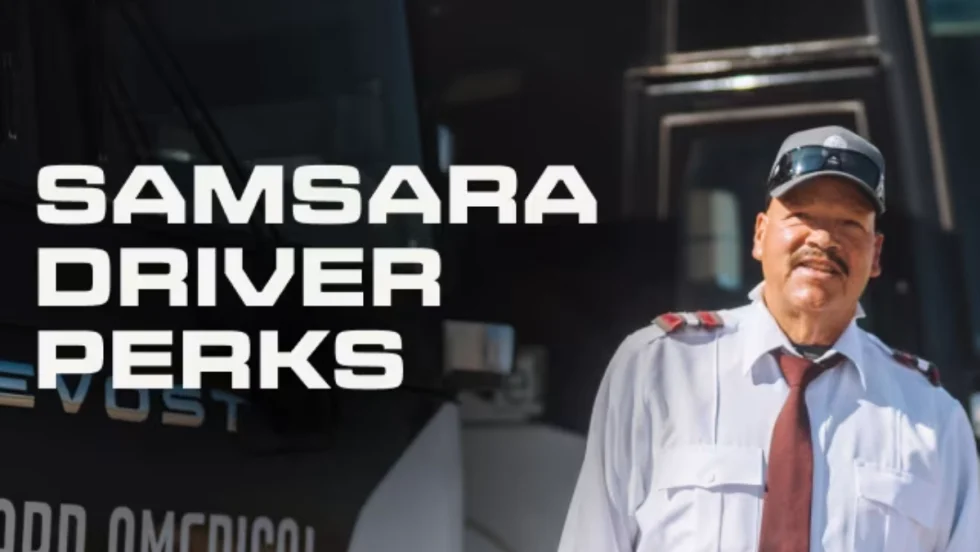
Samsara Launches Free Driver Rewards Program
The new Driver Perks program gives eligible professional drivers access to discounts and offers without adding a cost for participating fleets.
Read More →
How Tax-Exempt Municipal Leases Can Help Finance School Buses
Let’s explore school bus financing options, including municipal leases, vendor payable accounts, and balloon payments, and how they can help stretch fleet budgets.
Read More →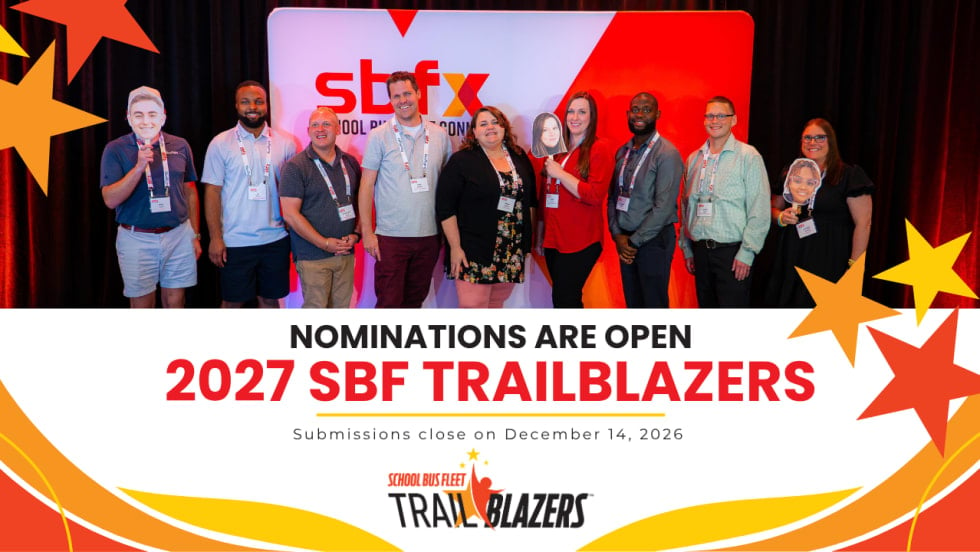
Nominate Rising School Transportation Pros Under 40!
We’re searching for the next generation of leaders making an impact across the K-12 student transportation industry to recognize as SBF’s 2027 Trailblazers. Nominations are open now!
Read More →

Changing Lanes: BusWhere, EverDriven, InterMotive, Summit School Services, Switzer-Carty & Thomas Built Buses
Check out who's been hired, promoted, and appointed to leadership positions at various school transportation suppliers, contractors, and manufacturers.
Read More →
The Most Expensive Thing You Do Before Selling a School Bus: Wait
When should you sell an aging school bus? Learn how maintenance, mileage, corrosion, specifications, and timing can affect resale value long before the auction.
Read More →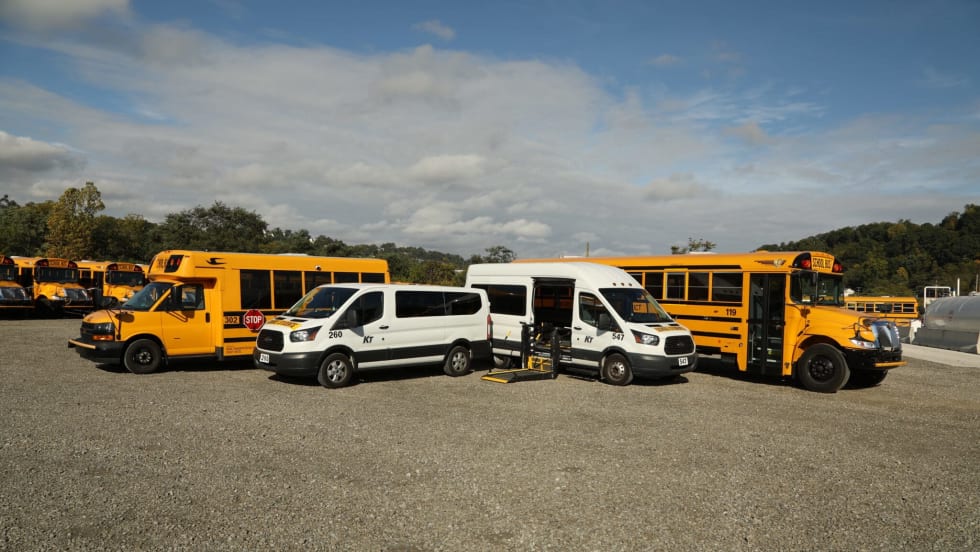
American Student Transportation Partners Acquires AJ Myers and Sons
A new deal brings a 75-year Pennsylvania student transportation provider into one of the nation’s largest private school bus contracting groups.
Read More →
What I Brought Home From SBFX: Relationships, Leadership, and Preparing What's Next
Who could lead your transportation operation tomorrow if you couldn't? Bernando Brown explores succession planning, mentorship, and preparing emerging leaders to step up.
Read More →
Inside School Bus Fleet ConneX 2026: Industry Leaders Connect in Scottsdale [Photos]
See highlights from SBFX 2026 in Arizona, where school bus operators and suppliers gathered for meetings, education, networking, awards, and more.
Read More →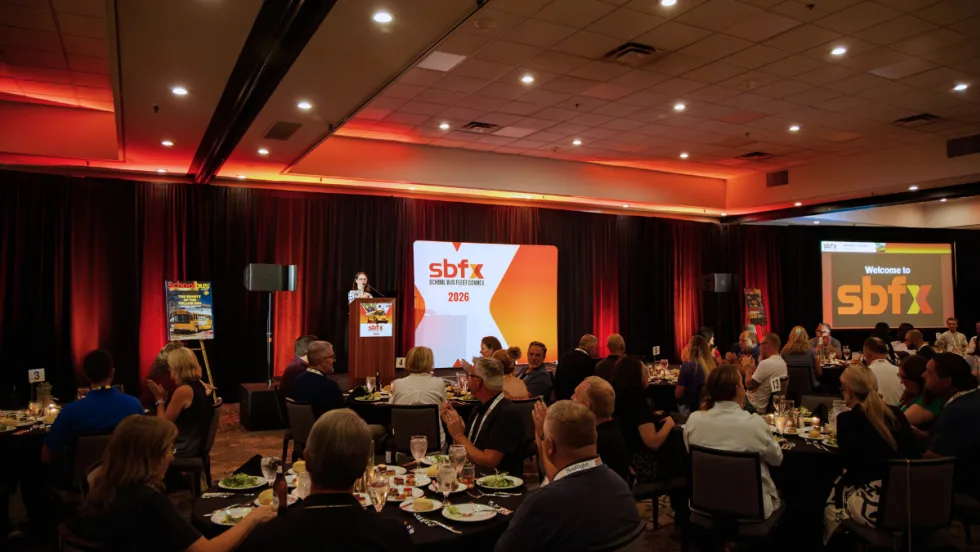
School Transportation’s Biggest Pressures and Opportunities: SBFX Attendees Weigh In
School bus operators point to rising costs, staffing, and vehicle prices as immediate pressures while identifying technology, training, and routing as opportunities for growth.
Read More →
STA Acquires Sunrise Transportation
Student Transportation of America expands in Illinois and Connecticut through Sunrise's fleet of nearly 1,000 vehicles.
Read More →