



Transportation costs: 'Dare to compare'?
Do your homework to understand how one operation compares to yours, and then — and only then — dare to compare.

Meeting the budget is an important way of life in any school district, and we all seem to compare one year to another, one district to another and even one state to another.
With this article, I hope to bring to light that all districts and states are not created equal, and thereby generate some thoughts on why we “dare to compare.”
It is not uncommon to receive a request midyear asking you to project your year-ending budget so that some unused allocated funds may be redirected to cover unbudgeted expenses of other departments.
We are in and will remain in a new season that I call the budget season. This season has many weather changes, storms and time deadlines, and each can affect short-term and long-term goals.
At my district, we were directing more and more time to annual budget, daily costs and five-year (or even up to 15-year) plans. We were reviewing our budget daily instead of monthly and comparing our actual daily expenses to our monthly budget.
With state-to-state, intrastate and district-to-district comparisons of costs per mile, costs per ridership and mechanic ratios, we all seek to explain, document and chart why our costs are our costs and create a plan that will not negatively impact student services — yet at the same time, the expectation is to lower your costs and reduce your budget.
When we compare costs, we need to research what we are comparing. For example, some states have their vehicle maintenance and transportation departments as one. In some cases, they are attached to other departments, such as operations. Either way, we need to fully understand what are the daily services of vehicle maintenance and its costs, as some operations service only buses and some service additional vehicles and equipment, which requires more staff and bigger budgets.
Some districts take care of the transportation needs of charter schools, and in doing so may allow those costs back into their budget by invoicing for the services, thereby creating a sort of wash. In some cases, it is a direct impact on overall operating costs. And then there are many operations that do not service charter schools at all.
Another factor to consider is accidents. There are two types: at fault and other party’s fault. Some of those have a direct impact on costs, and some do not.
As another example, some facilities have body shops that repair accident damage, and some do not. Also, fleet age will have a major impact on overall operating costs.
Another thing to consider is staff — some may be unionized and some not. Have you ever researched starting pay scale? If you do, you will find that it is all over the board for bus drivers and mechanics.
What about overall operating costs? Some include buildings and depreciation, while some do not include utilities.
Have you ever asked anyone what their per-mile costs are and wondered how they were so low? We need to review what costs are involved. Each of us has different circumstances that direct our daily costs. None of us operates in exactly the same way, and therefore our costs are different.
We need to continue to educate our school boards, staff and community about costs, daily operations and what we are using as our benchmark comparisons. Some of us may conclude that the best comparison is within one’s own department.
Do your homework to understand how one operation compares to yours, and then — and only then — dare to compare. Remember to compare apples to apples — or, here in Florida, oranges to oranges.
More Management
The Link Between Emotional Intelligence and School Bus Safety
How can emotional intelligence help transportation pros navigate stress, manage change, and build stronger relationships? Listen to find out.
Read More →
What Emotional Intelligence Has to Do With School Bus Safety
In this video, discover how emotional intelligence can help transportation leaders and drivers navigate stress, manage change, and build stronger relationships. The Route is sponsored by IC Bus.
Read More →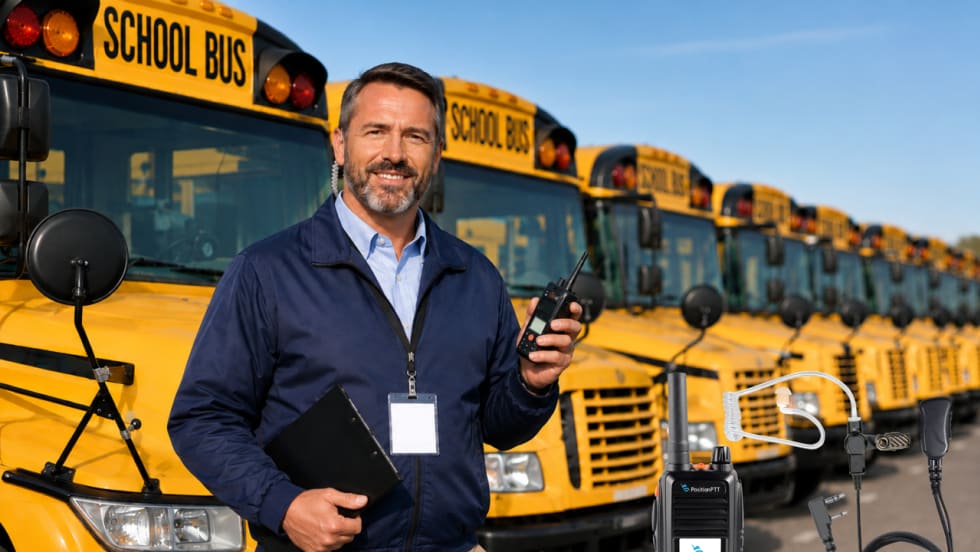
Beyond Two-Way Radios: School Bus Communications Evolve With Push-to-Talk Over Cellular
PRYME Radio and PositionPTT join forces to advance hands-free radio use and reduce distracted driving. See how PoC compares with traditional radios on range, cost, safety, and connectivity.
Read More →
Have School Districts Adapted to Bus Driver Shortages or Simply Accepted Less Service?
According to a recent report from HopSkipDrive, many districts appear to have recalibrated what "normal" transportation service looks like.
Read More →
Reliable Transportation Linked to Better Student Outcomes, New EverDriven Study Finds
See why new research suggests transportation consistency improves student outcomes while influencing attendance, funding, IEP compliance, and family trust.
Read More →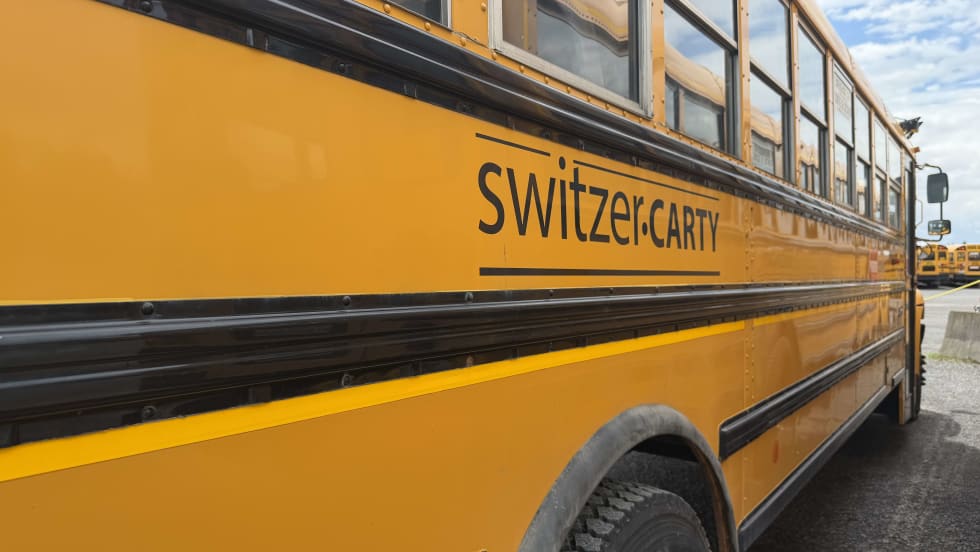
Switzer-CARTY Enters the U.S. with New Acquisition
The Canadian contractor’s acquisition of Minnesota-based Agnes Corporation marks its first cross-border expansion into the United States and adds 350 vehicles.
Read More →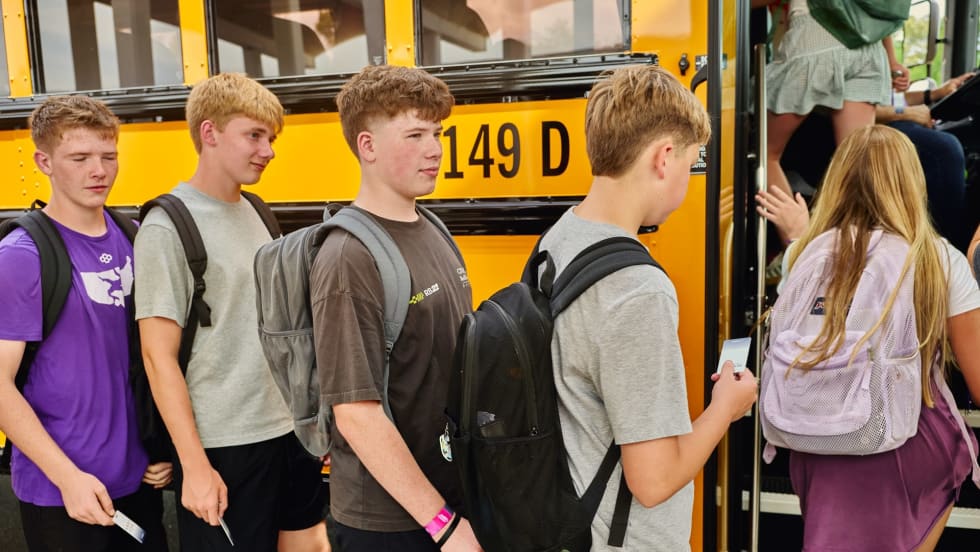
BusRight Adds New Rider Tracking Technology
Safety Pass is an NFC-based student ridership tracking solution that provides real-time boarding and drop-off data to improve school bus safety and family communication.
Read More →
EverDriven Launches RideAware App With Real-Time Student Ride Visibility
The updated platform’s new features improve communication among caregivers, districts, and drivers while streamlining trip updates.
Read More →
How School Transportation Departments Can Help Acclimate New Riders to the Bus
Here's how transportation departments can turn first-day jitters into confidence for students and parents alike.
Read More →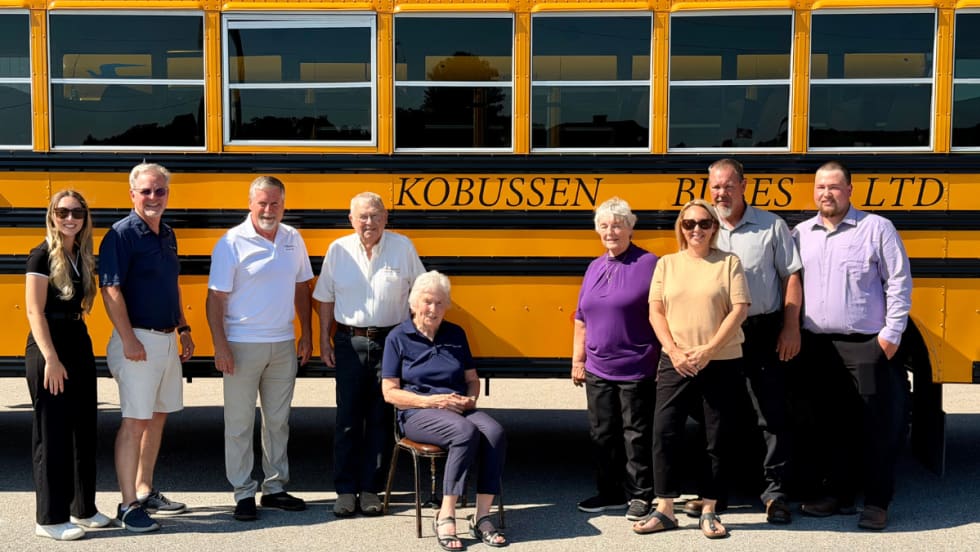
Neighbors Helping Neighbors: Nearly 90 Years of Safely Transporting Wisconsin Students
From one farmer's act of service to a fourth-generation family business, Kobussen Buses reflects on nearly 90 years of earning the trust of Wisconsin families.
Read More →