




Take a stand against school bus funding cuts
The school bus industry is repeatedly asked by policymakers to do more with less. It's time to take a stand.
It’s high time for serious soul-searching about the yellow school bus brand.
Even though the facts are on our side, we can no longer simply pat ourselves on the back for being the safest mode of transportation for getting children back and forth to school and expect people to support us because school buses keep cars off the road, decreasing traffic congestion, fuel use and emissions. There are powerful political and economic factors that influence what we do and how we accomplish it.
People in our industry worked tirelessly and successfully for many decades to demonstrate that we could operate with the highest levels of safety, efficiency and reliability, making a critical contribution to public education and the communities we serve. When new safety and environmental imperatives came to light, we have often championed them. Let’s talk about environmental enhancements to our school buses, for example.
We supported the “green” crusade enthusiastically. We established anti-idling policies and enforced them with strict penalties. We embraced new federal and state mandates for cleaner burning fuels and more efficient powertrains. We made only modest requests for financial support to implement these new technologies.
Acting responsibly got us a reputation for being “good guys” who always try to do “the right thing.” So policymakers come to us, repeatedly, and ask us to do more with less, knowing we will because it’s our culture and how we like to operate.
But our can-do attitude and solid performance often is ignored during state and local budget conversations. We are essentially taken for granted by the public, federal regulators, safety advocates and local politicians who appropriate the funding that keeps our wheels turning.
We’re forced to fight hard against direct funding cuts, or the euphemism for the same net effect — expanding the walk radius. No matter how it’s couched, a cut is a cut and it results in a less-safe situation for children.
And when it happens, “doing the right thing” should not be complacency but taking a principled stand against it. That’s what “good guys” must do.
Knowing that our prior performance and good citizenship will neither sustain us nor prevent more cuts as states and communities struggle with challenging budget situations, we must be open to new thinking and tactics to fit the new fiscal reality.
Think about this for a minute.
Ever notice how quick the feds and other safety groups are to lecture states to pass and enforce tough seat belt and DUI measures, and how vocal they become when a state threatens to repeal a motorcycle helmet law? Or, how much “incentive funding” is always available in good times and bad to further those selective safety agendas?
Why shouldn’t they be saying and doing the same thing for student transportation?
Their silence is deafening when budgets for school buses — the safest form of transportation, a vital public service and arguably their greatest regulatory success in the transportation sector — are gored in many of the same states!
We should be encouraging the feds, safety interest groups and policymakers everywhere to incentivize states and/or school systems to mandate school transportation. If it’s good national safety policy to pressure police to write seat belt tickets to increase usage, then why not the same enthusiasm and pressure for making sure children get to and from school the safest and most efficient way?
Reductions in eligibility can no longer be acceptable to us. Eligibility is the key to our sustainability and viability as an industry. If more kids are eligible to ride in school buses, more kids are likely to ride in school buses. If we make them ineligible, they will be forced into alternate ways of getting to and from school, all of which are less safe (and less efficient) than a yellow school bus.
Repeat after me: Budget cuts that reduce eligibility also reduce safety. This should be unacceptable to anyone who is really a “good guy” and wants to do “the right thing.”
While pupil transportation gets no federal funding and our available dollars pale in comparison to the big lobbies in Washington, D.C., we can do more and better to be heard. And NAPT is doing just that.
We are partnering with other organizations external to our industry and sharing resources and information with them. We are engaging in robust discussion and often leading the conversation on issues like bullying prevention, distracted driving and especially performance measurement. Doing so aligns us with the broader community of interests and demonstrates our vitality and the necessity of our work.
It boils down to this: We can spend our energies and dollars on marketing our greatness, or we can stand up more powerfully for what we do. In a world of limited resources and endless opportunities, the choice is clear for NAPT.
Please visit www.naptonline.org and familiarize yourself with our public policy agenda. Then please join us and help us accomplish the things we have set out to do on your behalf.
Mike Martin is executive director of NAPT.
More Safety
How To Build a More Secure School Bus Yard During and After Hours
As thefts and overnight security threats continue, school transportation leaders are combining stronger operational practices with AI-enabled surveillance to better protect buses, facilities, and staff.
Read More →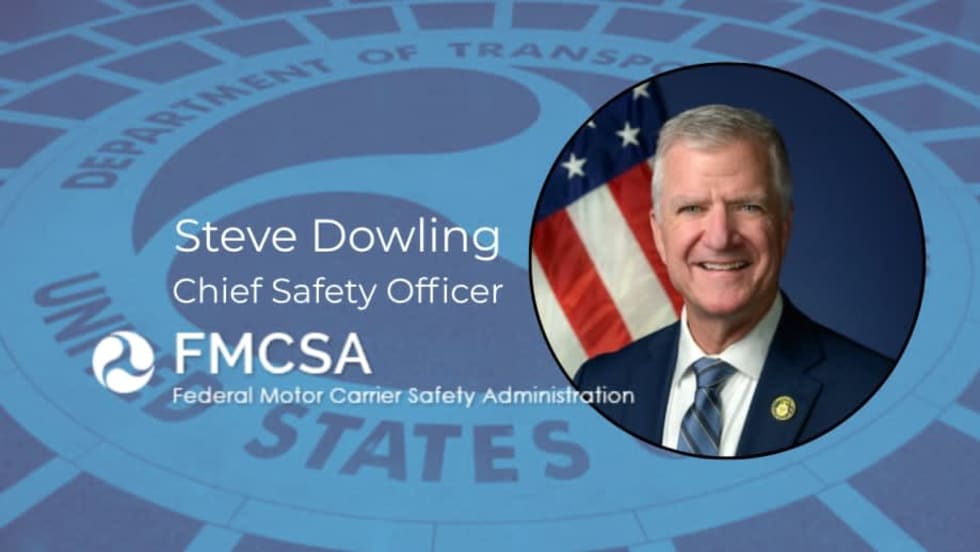
FMCSA Names New Chief Safety Officer: What School Bus Operators Should Know
Steve Dowling is set to lead the federal agency's efforts to advance commercial motor vehicle safety and reduce crashes, fatalities, and injuries on the nation's roadways.
Read More →
New Study Finds School Zone Speed Safety Cameras Cut Speeding Violations 97%
A Florida university's research demonstrates that Verra Mobility's automated enforcement changes driver behavior and significantly improves school zone safety.
Read More →
What Changed in DOT’s New National Roadway Safety Strategy?
The federal agency's new plan shifts its focus to safer people, roads and vehicles, with a new three-pronged approach instead of five. One outlined action even addresses a key industry concern around illegal school bus passing.
Read More →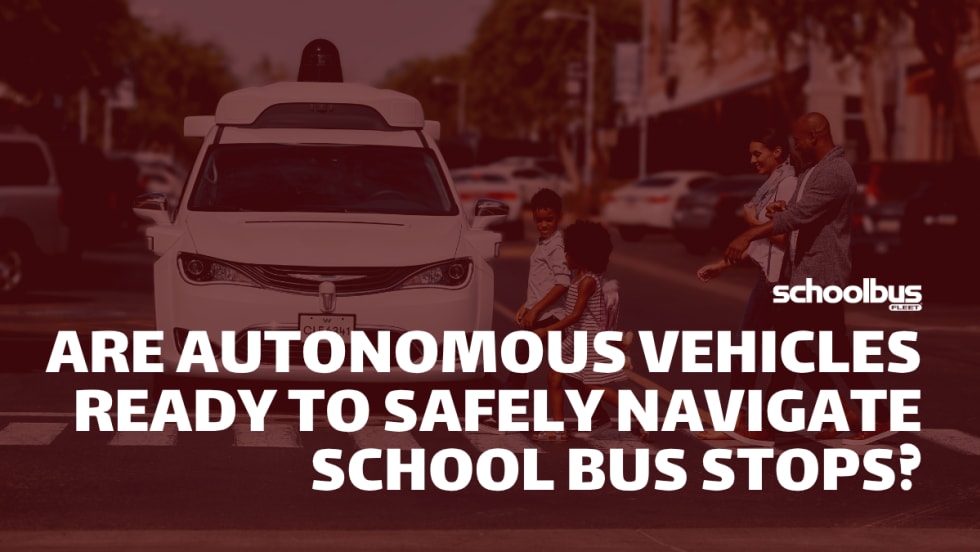
Are Autonomous Vehicles Ready to Safely Navigate School Bus Stops?
NHTSA is accelerating autonomous vehicle deployment through new safety standards and commercial approvals. See why school transportation leaders are watching.
Read More →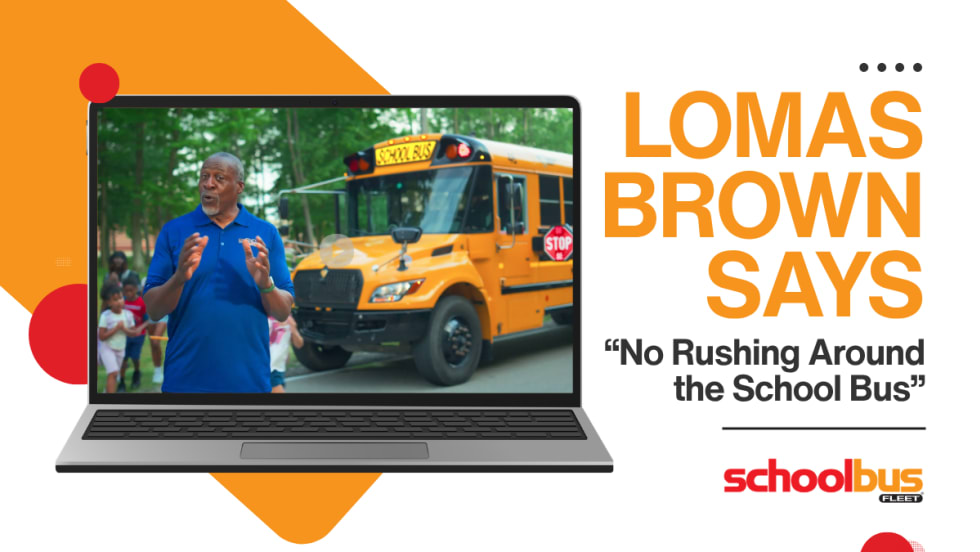
NFL Star Lomas Brown Kicks Off New Illegal School Bus Passing PSA
Just in time for the back-to-school season, the former Detroit Lions offensive tackle took time to record a video encouraging motorists to slow down around school buses.
Read More →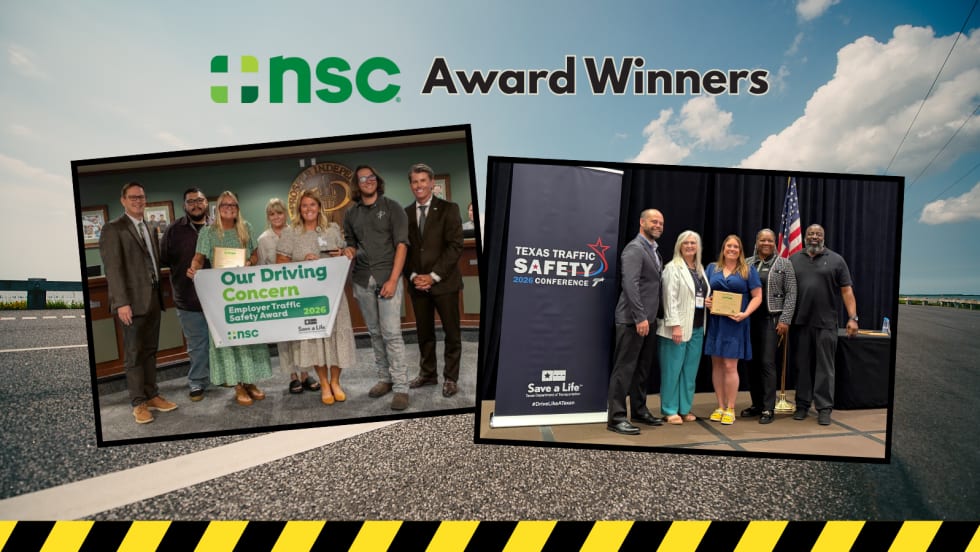
How Two Texas Districts Built Award-Winning Safety Programs
Learn how Prosper ISD and Rockwall ISD earned National Safety Council honors through hands-on training, safety culture, and strategies that reduced transportation incidents.
Read More →
NHTSA Releases 10-Year Review of Fatal School Bus Crashes
The latest federal analysis reinforces the safety of school buses while identifying where school-age pedestrians and other motorists remain most at risk.
Read More →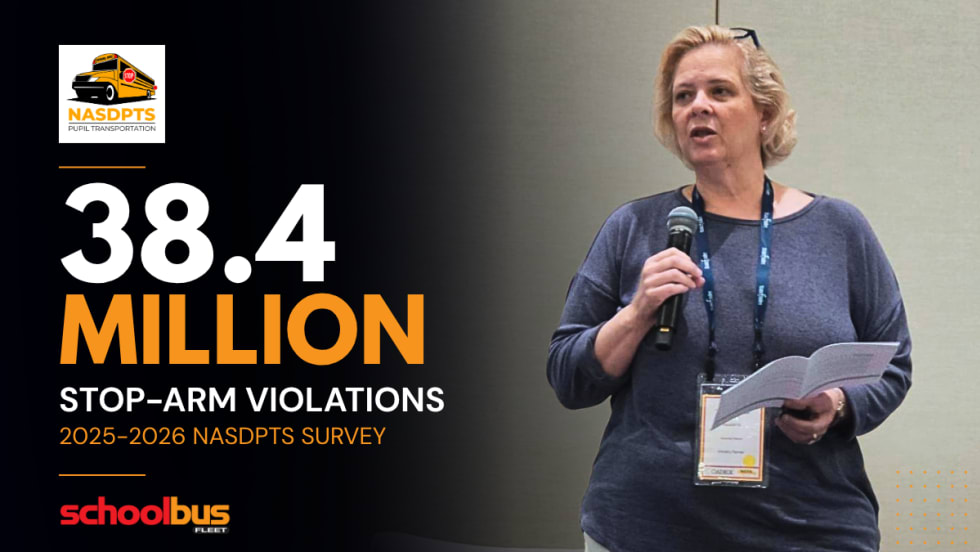
2026 NASDPTS Survey: Data Shows Further Reduction of Illegal Passing
New data is in! School bus stop-arm passings are down to 38.4 million violations per year, about a 2.3% decrease from last school year — but passings on the right side of the bus are higher than ever.
Read More →
Another School Bus Fatality Reported in Monsey, New York
A 7-year-old girl died after being struck by a school bus in Rockland County, New York while crossing the street. Here's what we know.
Read More →