




School Bus In-Service Training Matters All Year Long
Back-to-school training is just the beginning. Discover why ongoing training is essential for safer, more prepared transportation teams, and how it pays off in performance, morale, and student safety.

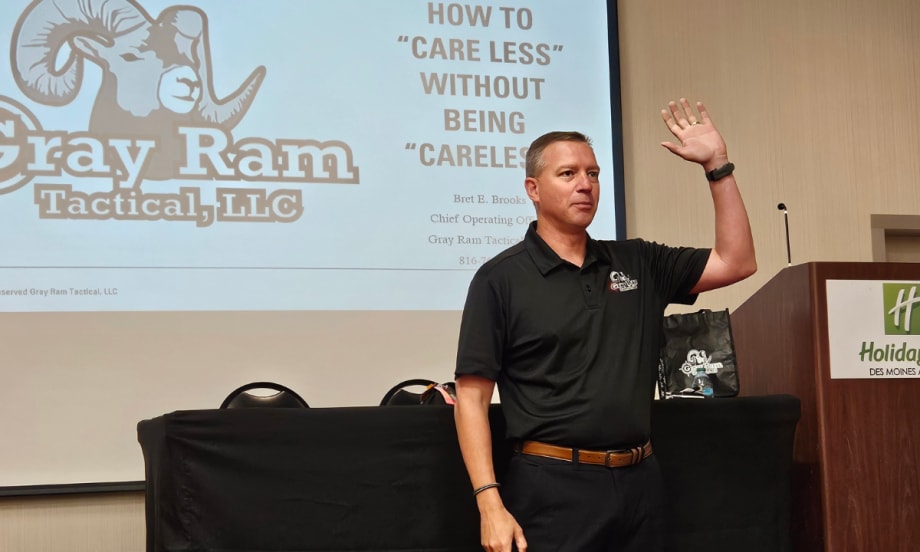
Brooks presents to the Iowa Pupil Transportation Association.
Photo: Amanda Huggett

As school buses hit the road again this fall, it’s time to rethink the once-a-year in-service model.
Here, Brooks conducts an in-service training session for a district in Idaho recently.
Photo: Bret Brooks
As the yellow buses begin to roll again each fall, school districts across the country scramble to deliver in-service training in the narrow window between summer break and the first bell. While this annual “back to school” ritual has become a training tradition, it should never serve as a district’s only professional development initiative for the entire year — especially for transportation staff who shoulder enormous responsibility every single day.
It’s time to break free from the mindset that one or two intensive training days in August is enough. Just as our students continue learning throughout the school year, so too should the professionals who ensure their safe arrival each morning. Monthly or quarterly in-service sessions offer a smarter, safer, and more sustainable approach to staff readiness.
Training Beyond the Wheel
School bus drivers are far more than chauffeurs. They are the first and last school representative a student sees each day. Their influence on safety, climate, and crisis response is unparalleled. Yet too often, their training focuses solely on operational skills like defensive driving or DOT compliance. While important, that’s only one piece of a much larger puzzle.
To create well-rounded, resilient transportation teams, training should routinely include:
Violence Prevention & De-escalation: From verbal outbursts to on-board altercations, drivers need tools to recognize warning signs and calmly defuse situations before they escalate.
Stress Management & Mental Wellness: The pressures of the job — tight schedules, weather conditions, student behavior, and personal stressors — can impact performance and morale. Regular wellness training helps staff cope and stay focused.
Leadership & Communication Skills: Drivers and monitors are leaders in their own right. Building strong communication, decision-making, and leadership competencies enhances team dynamics and customer service.
Medical Emergencies: Whether it’s an allergic reaction, seizure, or diabetic episode, being equipped to respond quickly and correctly can be the difference between life and death.
Special Needs & Behavioral Support: Ongoing instruction on IEP accommodations, sensory processing, and behavioral management ensures equity and dignity for all students.
Why Frequency Matters
Training is not a one-and-done event. Infrequent, high-volume sessions can overwhelm staff, dilute retention, and give a false sense of preparedness. Smaller, more frequent training—monthly or quarterly—reinforces learning, addresses timely issues, and builds a culture of continuous improvement.
It also allows districts to stay responsive to emerging trends and incidents. For example, if a national event raises concerns about school transportation safety or medical readiness, an upcoming in-service can immediately address those topics rather than waiting months for the next cycle.
A Smarter Investment
While it may seem like more frequent training requires more time and money, the long-term benefits are significant. Improved safety, lower incident rates, better morale, and reduced turnover are just some of the returns districts can expect.
More importantly, regular training communicates to transportation staff that they are valued professionals deserving of growth and support, not seasonal workers who receive rushed instruction once a year.
A Call to Action
Back-to-school training should remain a foundation, but not the finish line. If we expect excellence from our drivers, monitors, and transportation leaders, we must support them with consistent, relevant, and meaningful training all year long.
Investing in monthly or quarterly in-service opportunities isn’t just good policy; it’s a commitment to safety, professionalism, and the well-being of everyone on the bus.
More Management

How to Build a Better Driver Training Program
Ready to boost up your school bus instructor training? Here’s how to pick the right talent and improve recruitment, retention, and safety.
Read More →
CALSTART and Forth Combine to Form Catalyst Mobility
The new name represents a renewed vision for the nonprofit focused on advancing clean, equitable, and affordable transportation solutions that move people and goods.
Read More →
What Makes a Great School Bus Driver Trainer?
Choosing the right school bus driver trainer takes more than experience. Learn six keys to selecting and developing trainers and evaluating program effectiveness.
Read More →


School Bus Contractors Expand Through New Deals, Acquisitions & Partnerships
STA's Canadian division acquires Ontario-based G&L Stevenson Transport while Durham School Services adds a new district contract in California, First Student adds a New Jersey contract, and Minnesota Coaches acquires Halo Transportation.
Read More →
Logan Bus Company Rolls Out AI Phone System for NYC School Bus Families
A summer pilot found that AI agents could handle most routine calls, freeing up time for customer service staff to focus on emergencies and complex family concerns.
Read More →
From Intent to Impact: What I Learned About Leadership from TAPT
A Texas transportation supervisor shares lessons on self-awareness, accountability, managing stress and building trust — and why investing in leadership development matters at every stage of your career.
Read More →
NAPT Names 2026 Award Recipients, Hall of Fame Inductee
Who earned national recognition for their work in student transportation? This year, NAPT named five recipients of its 2026 awards for service, safety, and leadership, plus its newest Hall of Famer.
Read More →
2026 State of Student Transportation Report
Driver shortages. Rising costs. Growing safety expectations. More data, but not enough time to act on it. The 2026 State of Student Transportation Report reveals what transportation leaders say is putting the most pressure on their operations—and where they’re investing next. See how your priorities compare.
Read More →
How to De-Escalate an Angry Person: 5 Steps for Handling Workplace Conflict
What makes emotions run high, and how should you handle an angry colleague or parent? Follow these steps for staying calm, listening, showing empathy, and resolving conflict.
Read More →
What Readiness Looks Like This School Year
Learn about the challenges shaping the 2026–2027 school year, from persistent driver shortages and budget pressure to technology and readiness gaps. See how school districts are responding and adapting in Zonar’s 2026 Back-to-School Readiness Report.
Read More →