




Rumble in Rochester
It’s a case that refused to end quickly or quietly. Throughout last year, we provided multiple updates on the conflict over the Rochester-Genesee ...
It’s a case that refused to end quickly or quietly.
Throughout last year, we provided multiple updates on the conflict over the Rochester-Genesee (N.Y.) Regional Transportation Authority’s (RGRTA) route service for local high school students.
The Federal Transit Administration (FTA) ruled in January 2007 that RGRTA was providing illegal service for the local school district, displacing routes that had been operated by Laidlaw.
Later in the year, U.S. District Judge David Larimer upheld the FTA’s ruling but, on two occasions, extended the deadline by which RGRTA was supposed to cease its school routes.
RGRTA proposed a new route system to serve the students, but FTA also deemed that a violation of the school bus regulations.
It seemed that RGRTA was down for the count and a victory for school bus contractors was at hand. But if you saw the News Alert in this issue, you may have been surprised to be reading another headline on the case: “Judge approves Rochester transit agency’s new school service plan.”
That’s right — Larimer struck down the FTA’s decision and cleared the way for the RGRTA to proceed with its proposal.
Unfair competition?
As you may know, the FTA’s school bus regulations govern what federally subsidized transit agencies can and can’t do in regard to providing pupil transportation, a practice sometimes known as tripper service. The goal is to prevent unfair competition with private school bus contractors.
“As a tax-paying entity, we do not want to see the taxes we pay being used against us in terms of competition,” says Durham School Services’ John Elliott in our 2008 Contractor Showcase.
That type of unfair competition, known as transit encroachment, doesn’t appear to be rampant at this point. In our most recent national survey of school bus contractors (July 2007 issue, pg. 24), only 20 percent of respondents said that their companies had been a victim of transit encroachment.
However, as Carey Paster of First Student assesses in the Contractor Showcase, “I don’t believe [transit encroachment] to be a widespread issue, but it is a severe issue in those areas that it is taking place.”
High stakes
With that in mind, the Rochester-Genesee case is being watched closely by many contractors, and the National School Transportation Association (NSTA) is lending its support to the school bus side of the case.
The stakes are high, since the outcome in Rochester could have a significant impact on other cases of this type. In fact, NSTA noted that Larimer’s latest decision could hinder the FTA’s ability to enforce its own school bus regulations.
As Durham’s John Elliott suggests, school bus contractors need to educate the school districts they deal with and the transit agencies that serve those areas about the FTA’s regulations on tripper service.
One tool that can help in this effort is a brochure published by the FTA in 2005 called “Public Transportation and School Buses.” It can be found online at www.fta.dot.gov/documents/SchoolBusBrochureJanuary19-2005.pdf.
More Safety
School's Back. Here's What Happened to Traffic, Speeding & Distraction
What happens to traffic when school resumes? New data analysis examines changes in distracted driving, congestion, and speeding around schools.
Read More →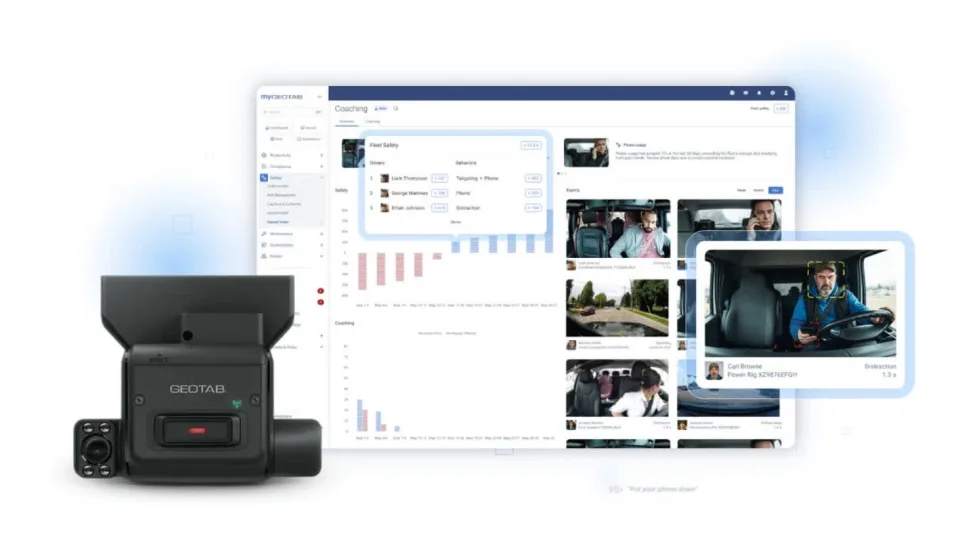
Geotab Expands Fleet Safety Tools With Video Coaching, Risk Insights
New safety and video capabilities aim to help fleet managers assess risk, support drivers, and take targeted action through video coaching, red-light violation detection, and more.
Read More →
How to Build a Better School Bus Driver Training Program
Is it time to strengthen your driver training? Here’s how to pick the right talent and improve recruitment, retention, and safety. This video is brought to you by IC Bus.
Read More →

Recent School Bus Accidents Leave 2 Dead, 2 Injured
Four school bus crashes in Florida, Illinois, and Georgia highlight risks in transportation lots, at bus stops, and during student loading and unloading.
Read More →
When Every Second Matters, Clarity Keeps Routes Moving
From routine delays to urgent incidents, strong communication practices help drivers, dispatchers, schools, and families respond with confidence.
Read More →
What Happens When a School Bus Catches Fire — and What Can Help
School bus fires are rare but can be devastating. Learn how advances in fire suppression and asset protection help fleets detect fires earlier, reduce damage, and improve safety.
Read More →
Geotab Launches Tool to Help Fleets Investigate Road Incidents
Geotab Investigations combines telematics data, video, documents, and other evidence to help fleets reconstruct incidents, resolve claims, and determine what happened.
Read More →
Texas Sixth Grader Wins 2026 National School Bus Safety Poster Contest
Sai Darshana Yekolu of Moseley Middle School in Prosper, Texas, was named the newest winner for her artwork, bringing the theme of “Safe Rides, Everyday Heroes” to life.
Read More →
Doing More With Less: How Transportation Directors Can Prioritize Safety Amid Budget Uncertainty
With diesel prices soaring and nearly one-third of transportation directors expecting budget cuts, maintaining student safety has never been more challenging. Download this guide to learn how leading districts are prioritizing risk, funding critical safety technology, and building stronger budget cases with data.
Read More →
Walton County Schools Adds Gatekeeper Stop-Arm Enforcement System
The Florida district will deploy Gatekeeper’s updated Student Protector technology, which now incorporates AI to improve video evidence.
Read More →