




Progressive discipline: out of sync with busing
Progressive discipline in pupil transportation environments for anything other than general personnel issues such as tardiness, absenteeism or drivers room behavior, can be bad for kids.


Michael Dallessandro is a former transportation director at Niagara Wheatfield Central School District in Niagara Falls, N.Y.
Photo: Michael Dallessandro
I am human, and I make mistakes.
Despite considering myself a conscientious employee, I have accidentally left the office lights on when I went home, and I have occasionally arrived late for work in the past. I do not believe that I or any employee should be harshly disciplined or fired on the spot for making a simple mistake.
Progressive discipline is a tool that is in use in many work environments. It acknowledges the fact that humans will make mistakes during the course of their workday, and it is recognized as a teaching tool that can slowly alter the behaviors of people who care about their job and their coworkers. It is a tool that can help to improve employee performance.
Progressive discipline is also used to bring fairness to employee discipline. The process — which includes verbal warnings, written warnings, suspension and, in extreme cases, termination — prevents bosses from getting rid of an employee with a differing opinion for a minor mistake while an employee who is perceived as the “boss’s pet” has numerous opportunities to screw up with no discipline applied. When used properly, progressive discipline can be a good and just system.
On the flip side of this, progressive discipline in pupil transportation environments for anything other than general personnel issues — such as tardiness, absenteeism or drivers room behavior — can be bad for kids.
I have no tolerance for drivers who drag kids with their bus, have numerous fender benders or blatantly disregard safety procedures or laws.
Does a driver have to drag three separate kids with the bus door before he or she can be fired because the employer is strictly bound by progressive discipline procedures due to labor contracts or civil service laws?
How many kindergarten students have to be left at a street corner or home where there is no parent or guardian present to receive them before News Channel 8 starts to ask questions about your operation that you can only answer to as a “personnel matter” due to progressive discipline?
And lastly, most nationally recognized driver trainers and safe-driving organizations will clearly tell you that a driver who rips off a mirror in January and then backs into a pole a year later is far more likely to have a serious accident in the future than a driver who has a clean record.
In applying progressive discipline in this situation, the employee would get a verbal warning for the mirror incident, a written warning for backing into the pole and possible termination only after the third accident. But note that if the third incident does not happen for another two years, you may not even be able to apply it to progressive discipline due to the statute of limitations in some states.
Sadly, the third incident might be the death of a child or pedestrian. Explaining progressive discipline to the victim’s family will not be easy.
I am not suggesting that employees should lose their rights to protection in their work environment. However, I am a strong advocate for adding a clause — in the case of any contract or regulation that provides for progressive discipline — specifying that certain child endangerment, driving or accident-related issues be excluded from progressive discipline.
More Management

Inside NAPT ACTS 2026: Highlights from Louisville
From federal updates and student behavior strategies to new school bus technology and industry awards, see highlights from NAPT ACTS 2026 in Louisville.
Read More →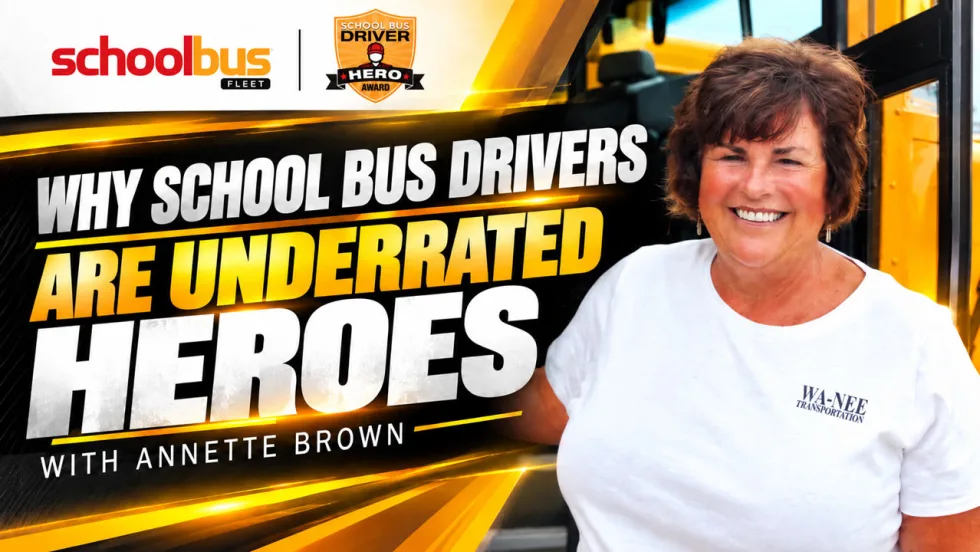
Meet the 2025 School Bus Driver Hero Winner: Annette Brown
We caught up with Wa-Nee Community Schools' Annette Brown on site at SBFX, where she was named the 2026 School Bus Driver Hero Award winner. Hear about her reaction, what she loves most about being a school bus driver, and more!
Read More →
Predictability Is Like Ketchup (According to 6-Year-Olds)
To students, a different school bus can feel like a full-blown crisis. One driver reflects on why familiar routines, showing up on time, and being reliably boring matter more than we think.
Read More →
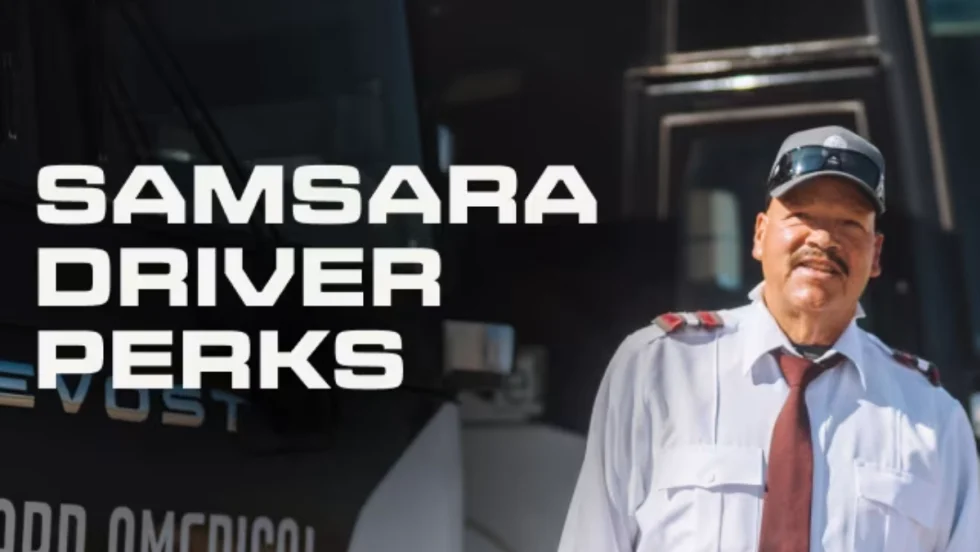
Samsara Launches Free Driver Rewards Program
The new Driver Perks program gives eligible professional drivers access to discounts and offers without adding a cost for participating fleets.
Read More →
How Tax-Exempt Municipal Leases Can Help Finance School Buses
Let’s explore school bus financing options, including municipal leases, vendor payable accounts, and balloon payments, and how they can help stretch fleet budgets.
Read More →
Nominate Rising School Transportation Pros Under 40!
We’re searching for the next generation of leaders making an impact across the K-12 student transportation industry to recognize as SBF’s 2027 Trailblazers. Nominations are open now!
Read More →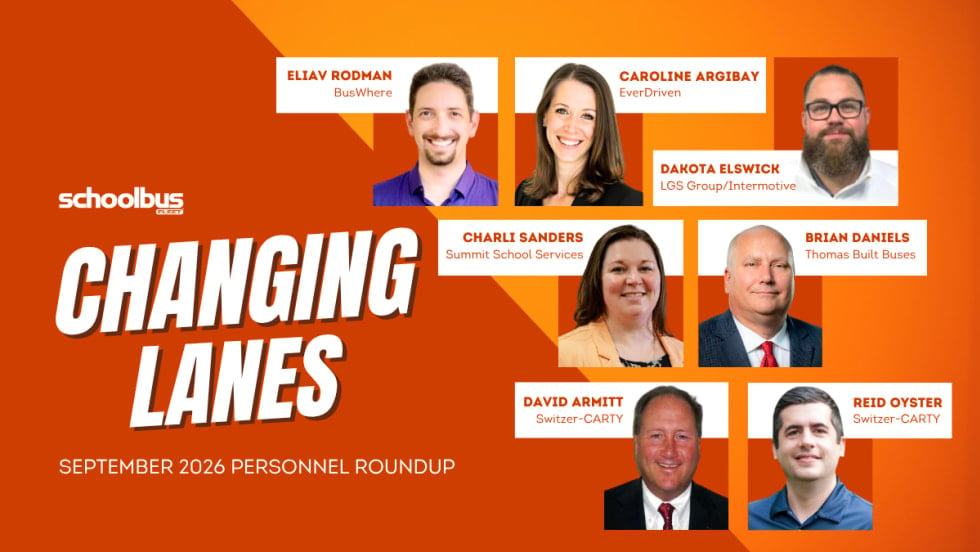
Changing Lanes: BusWhere, EverDriven, InterMotive, Summit School Services, Switzer-Carty & Thomas Built Buses
Check out who's been hired, promoted, and appointed to leadership positions at various school transportation suppliers, contractors, and manufacturers.
Read More →
The Most Expensive Thing You Do Before Selling a School Bus: Wait
When should you sell an aging school bus? Learn how maintenance, mileage, corrosion, specifications, and timing can affect resale value long before the auction.
Read More →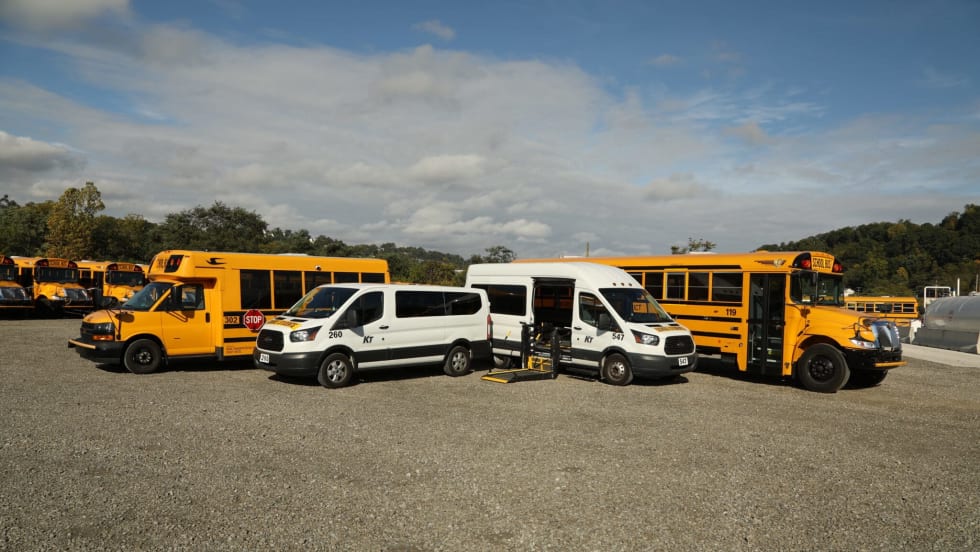
American Student Transportation Partners Acquires AJ Myers and Sons
A new deal brings a 75-year Pennsylvania student transportation provider into one of the nation’s largest private school bus contracting groups.
Read More →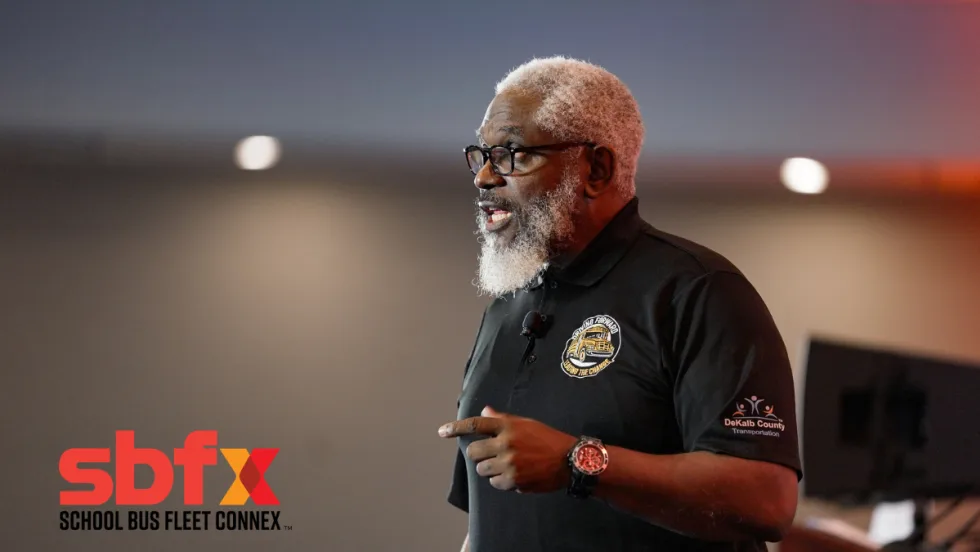
What I Brought Home From SBFX: Relationships, Leadership, and Preparing What's Next
Who could lead your transportation operation tomorrow if you couldn't? Bernando Brown explores succession planning, mentorship, and preparing emerging leaders to step up.
Read More →